Top row: US Representatives Brett Guthrie (R-KY), Mark Green (R-TN), Mary Miller (R-IL), and Warren Davidson (R-OH). Bottom row: Don Bacon (R-NE), Bill Huizenga (R-MI), and James Comer (R-KY)
Congressional support for the bipartisan Recognizing the Protection of Motorsports Act of 2021 (RPM Act), H.R. 3281, continues to expand as racers and members of the motorsports parts industry write their members of Congress and ask them to co-sponsor the bill. The RPM Act now has 89 bipartisan co-sponsors, as seven members of the US House of Representatives agreed to publicly support the bill this week, including US Representatives Brett Guthrie (R-KY), Mark Green (R-TN), Mary Miller (R-IL), Warren Davidson (R-OH), Don Bacon (R-NE), Bill Huizenga (R-MI), and James Comer (R-KY).
While the House has been out of session during the last two weeks, members of Congress have been getting out in the communities they represent to meet with their constituents.
Rep. Patrick McHenry (R-NC), the lead sponsor of the RPM Act, recently visited SRI Performance which sells racing and street performance products out of its facility in Mooresville, North Carolina. During the visit, Rep. McHenry spoke with industry members—including SRI Performance Owner Greg Fornelli, Speed Sport Owner Ralph Sheheen, and David Miller, the executive director of the North Carolina Motorsports Association (NCMA)—about the importance of passing the RPM Act.
“It was great to visit SRI Performance,” said Rep. McHenry. “SRI is a leader in providing racing parts for the motorsports industry. Racing has a long and storied history in North Carolina and is an important part of our economy. Recently, I was proud to reintroduce the RPM Act to protect grassroots motorsports and industries that support them.”
The RPM Act must be enacted into law to guarantee your right to modify street cars, trucks, and motorcycles into dedicated race vehicles, and ensure that the industry can offer parts that enable racers to compete. It is imperative that lawmakers continue to be reminded of the importance of passing the RPM Act. Click here to see the current list of RPM Act co-sponsors, and don’t forget to send a letter to your U.S. Representative asking them to support the bill and fight for it to become law.
Aeromotive, the manufacturer of aftermarket fuel systems and accessories, has announced the hiring of its new national sales manager, Phillip VanBuskirk.
VanBuskirk brings 16 years of aftermarket automotive sales experience to Aeromotive, formerly working as a performance parts specialist for ProCharger and WELD Racing.
In his new role, VanBuskirk will be responsible for all Aeromotive sales functions, including managing internal and external sales, overseeing sales representative agencies, and communicating and executing new sales objectives.
“Phillip has been a rising star in the automotive industry, and his passion to elevate the companies he works for is unteachable,” said PerTronix Performance Brands Vice President of Sales and Marketing Russell Stephens. “With his experience and drive, I believe Aeromotive is well-positioned to maintain the momentum of sales growth it has built up for many years to come.”
Brembo, the Italian manufacturer of high-performance automotive brake systems, has announced its first “Center of Excellence” will be constructed in California’s Silicon Valley.
The new facility dubbed the “Brembo Inspiration Lab” is expected to strengthen the company’s expertise in software development, data science, and artificial intelligence. The Center of Excellence is slated to open in the fourth quarter of 2021 and will serve as a reference for technological and commercial development. It will also “welcome talent from various industries” to further Brembo’s braking solutions, according to the company.
“We are entering and investing in this world-renowned location for high technology and innovation with the clear and ambitious goal of addressing the unprecedented challenges impacting the automotive sector,” Brembo Chief Executive Officer Daniele Schillaci said. “With the Brembo Inspiration Lab, we accept the challenge to increase the company’s digital culture and to bring ‘Made in Brembo’ innovation even closer to our partners.”
The Silicon Valley location joins Brembo’s North American manufacturing hubs in Michigan, New Jersey, and Monterrey, Mexico. Its North American headquarters and R&D center is located in Plymouth, Michigan.
NXG Youth Motorsports Academy has announced a partnership with the School of Engineering and Technology at Indiana University-Purdue University Indianapolis (IUPUI) to provide opportunities for underrepresented students in STEM.
The School of Engineering and Technology at IUPUI will offer scholarships—contingent upon acceptance and enrollment into any academic program offered by the school—to participants of NXG Youth Motorsports Academy. The motorsports engineering program at IUPUI offers students an engineering degree in the heart of the racing capital of the world with a blend of engineering curriculum plus vehicle dynamics, aerodynamics, data acquisition, and other motorsports-specific courses.
The NXG Youth scholarships at IUPUI include:
NXG-Youth Program Scholarship: a $2,000 freshman scholarship to former participants who have completed three NXG Youth Motorsports Academy classes.
NXG-Grand Prix Scholarship: a $2,000 freshman scholarship to NXG Youth Motorsports Academy participants who have completed at least one full season of the NXG Grand Prix Championship Series.
NXG-Youth Program Transfer Scholarship: a $2,000 transfer scholarship to participants who have completed at least three classes within the NXG Youth Motorsports Academy and/or the NXG Grand Prix Championship Series.
NXG Youth Motorsports Inc., a 501C(3) organization, has a mission to inspire, motivate, and prepare underrepresented students with opportunities in motorsports and foundational life skills. The organization targets 11- to 15-year-old African Americans and other minority youth.
“By focusing on our mission to provide a STEM-aligned classroom curriculum with on-track performance and fun, NXG has been able to reach more than 1,200 Indianapolis girls and boys during our 15-year history,” NXG Youth Motorsports President and Co-Founder Rod Reid said. “This new partnership... will further enrich our participants’ understanding of the opportunities in motorsports engineering and represents tangible opportunities for their educational growth.”
Performance Racing Industry (PRI) is seeking submissions of dedicated race vehicles to showcase in the November 2021 issue of PRI Magazine. Entered vehicles may include drag, stock car, sports car, open wheel, dirt late model, modified, off-road, vintage, pulling, and related forms of racing.
Submissions will be considered for publication in print and/or online. The PRI Trade Show department may also follow up if there is interest in the Show’s Featured Vehicle Display in Indianapolis in December.
Submissions should be emailed to PRI’s editorial department at editorial@performanceracing.com and include the following information by Wednesday, September 1:
Owner’s Name & Hometown:
Year, Make & Model of Vehicle:
Series & Class(es) Raced In:
Engine Platform:
Engine Builder:
Car Builder/Fabricator:
Up to 10 Featured Products:
Interesting Fact(s) About This Vehicle (limit 50 words):
Attach 2-3 High-Resolution Images of the Vehicle (submissions with no images will not be considered)
Milan Dragway, the 136-acre motorsports facility featuring a 1/4-mile NHRA-sanctioned drag strip in Michigan, is for sale.
The facility has been placed in receivership, and a Monroe County Circuit Court judge has appointed David Findling, a Royal Oak lawyer, to find a buyer and go through a judicial review to close the deal.
Findling has reported several interested buyers—including an unnamed drag race team owner—all from within the automotive and racing community. He expects the sale to be finalized sometime this year, according to CKIW Radio. Due to needed track maintenance, however, racing likely won’t return to Milan until the 2022 season.
“I think we will see a one-year sabbatical for the track, and next year is going to come back bigger and stronger,” Findling told CKIW. “I would fully expect whoever buys it to be open in the spring and have a very well-equipped refurbished facility.”
The track, which sits about 50 miles southwest of Detroit, Michigan, first opened in 1964 with Cliff Riley serving as one of the first owners. An IHRA-sanctioned facility for many years, the track gained prominence in 1977 as the site where Don Garlits defeated Dick LaHaie to take the Pro Dragster title at the IHRA Northern Winston Nationals.
In 2020, the track hosted its mini-series featuring Super Pro, Pro, Sportsman, and S/P Bike categories and regular “Pour Your Own Puddle” events featuring small tire and big tire classes. In addition, grudge races, Heads Up, Nostalgia Drags and Funny Cars, bracket racing, Stock, and Super Stock also appeared on the schedule.
Image courtesy of Mississippi Raceway Park, Facebook
Gerard Hansen, an automotive historian and motorsports professional, has announced a new motorsports facility based in Petal, Mississippi, just outside of Hattiesburg.
The primary purpose of building the new facility is to develop “tomorrow’s racing champions,” track officials stated. “Mississippi Raceway Park will bring national exposure, provide recreation, and create jobs. [It] has the potential of becoming a major destination for motorsports enthusiasts throughout the Southeast.”
Mississippi Raceway Park will feature several race tracks, including the first 5/8-mile paved asphalt oval in the state, a 1/4-mile drag strip, three road course configurations, a kart track, and a soapbox derby course modeled after the Derby Downs in Akron, Ohio. The facility will also offer professional race car driving instruction for drag, oval, road, and kart divisions, in addition to daily driver education for all ages.
The first phase of the $30 million project will be constructing the arrive-and-drive kart track, followed by the drag strip, with officials eyeing an open date of Memorial Day in 2023, according to Race Pages Digital. Following will be the paved oval and the road courses.
Plans include seating for up to 40,000 fans, hospitality suites, on-track condos, and an RV campground.
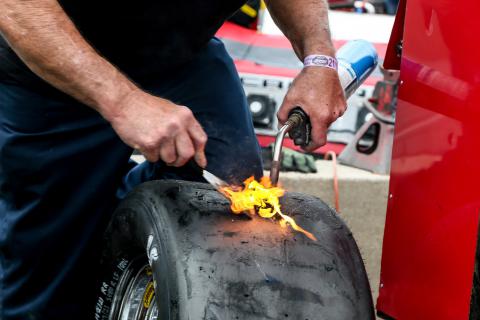
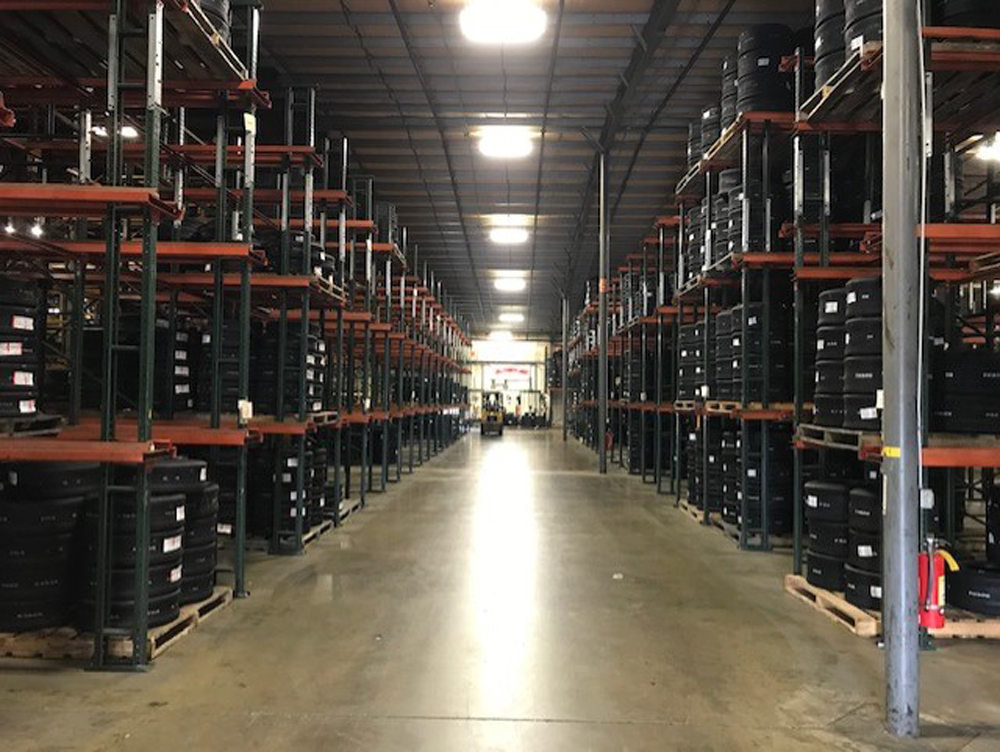
Manufacturers, tracks, and sanctioning bodies are working through a tire shortage resulting from a scarcity of labor and supply chain disruptions.
Motorsports parts suppliers are scrambling to fill orders after pandemic-related shutdowns led to uncertainty, followed soon after by unexpected demand across nearly all sectors of the industry (see “Still Spiking,” PRI Magazine, June 2021). Among the consequences of this scenario is an emerging tire shortage, particularly in short track racing.
“We certainly don’t have the tire inventory that we would like at this time of the year, and there are many reasons for that,” said Paul Menting of Hoosier Racing Tire, Lakeville, Indiana. “But as many people are aware, we’re not the only parts manufacturer in this position. It’s really a burden on the overall racing industry.”
Here’s how tire manufacturers are sorting through the situation, and how some tracks and sanctioning bodies have adjusted to mitigate the effect on events and competitors.
BACK TO THE BEGINNING
To understand the “why” behind the shortage, it’s vital to go back to the beginning of the pandemic, which brought forced shutdowns to race tracks, race teams, manufacturers, parts sellers, and the like, prompting all to adapt.
“[This shortage began] 14 months ago when things started shutting down in the US and worldwide,” Menting said. “We are a global company, and we sell tires in 80 different countries. As things started shuttering, we had to make adjustments. We saw our sales fall off around 80% immediately in March, but we did not fully stop production as many passenger car and light truck plants did.
“Then, as things started to change and promoters, being the savvy business people they are, found ways to get races in, we started to ramp our production back up,” Menting added.
LACK OF LABOR
When manufacturers were ready to resume production, they found themselves faced with a lack of suitable workers.
“I’d say 95% of our issues is the scarcity of labor. We can’t hire enough people to staff our factories, ramp up production, and meet demand,” said Scott Junod of American Racer, the tire manufacturer based out of Indiana, Pennsylvania. “There are record job vacancies across the country. As a result, we told our distributors that we anticipated a very tight supply chain back in January. We encouraged them at that time not to enter any new agreements.”
That same month, American Racer increased manufacturing of its biggest selling tires, bringing an overall production increase of around 20% year-to-date, which still fell short of demand.
“This is by far our highest production rate in at least a decade,” Junod said, even though the company is dozens of employees short throughout its tire factories, including facilities in Unicoi, Tennessee, and the city of Indiana, Pennsylvania.
The same sentiment was echoed by Menting, who said Hoosier Racing Tire was down by around 50 employees as of late June.
“We hire people daily, then lose people daily, and it’s hard to make any headway against that,” Menting said. “I’ll give you an example: We’ll hire 10 employees in a week, and nine of our people, for various reasons, leave. And they’re not the same 10 and nine. They’re in a very competitive labor market here, so we have employees shopping around. But at the same time, we’re very cognizant of not overworking our employees.”
ADDITIONAL FACTORS
Although labor is the primary reason for the tire shortage, there has also been disruption in the tire materials supply chain, specifically with nylon and other components.
“From my discussions with our tire distributors, aside from employee shortages, there is a nylon shortage,” said Jack McNelly of the CARS Tour, Mooresville, North Carolina. “I was told a lot of the nylon comes out of Texas, and that state had a very tough situation a few months ago with the freezing and the flooding. So that messed up the production of materials.”
“Labor is our main issue,” Junod agreed, “but there is tightness in the market, especially following the deep freeze in Texas. It took time for refineries to reopen, which caused a ripple in the industry.”
After an initial manufacturing hiatus due to COVID-19 restrictions, orders suddenly picked up and left suppliers struggling to meet demand. American Racer increased manufacturing of its bestselling tires, resulting in its highest production rate in about a decade.
Another factor is related to logistics, Menting pointed out. “Container shipments are costly and very difficult to get. Our suppliers are having difficulty in securing those containers, as are we, so that’s led us into this perfect storm of supply and demand.”
Additionally, the uncertainty of the 2020 season may have spurred increased demand going into 2021.
“Something unforeseen was this whole ‘toilet paper’ effect of buying race tires,” Junod pointed out. “First, we’ve had the biggest spike in demand we’ve ever seen with people flooding the market. Second, racers can move, but tracks cannot. If one of our tracks [in Pennsylvania] is short of tires, teams can cross the state to race, accelerating the use of available inventory.”
WHAT’S BEING DONE
In response to the tire shortage, several tracks and sanctioning bodies had to adjust procedures. One North Carolina track, Tri-County Speedway, canceled its June 19 race to guarantee tire supply for its Pepsi Firecracker 250 special on July 3. “This news is not what we wanted, but it will ensure us that we can take care of our racers and fans [during our special event],” a track official said.
Similar scenarios have played out at Viking Speedway in Minnesota, where officials pulled the plug on a July 3 program, and Thompson Speedway Motorsports Park in Connecticut, which scrubbed a Sunoco Modified feature from its July 7 lineup.
Fortunately, not all changes have been as drastic. South Boston Speedway, for example, is only revising its practice procedures. “We’re limiting the number of practice tires to two tires for our weekly Late Model races, and one set (four tires) for our July 4th special,” Incoming General Manager Chase Brashears told us. “We already had a two-tire rule except for a few events. Our standard procedure is two impounded tires plus two new tires per race. This helped us mitigate inventory during this shortage.”
Tires are also limited for the CARS Tour, with each competitor allotted one set of practice tires and one set of racing tires per event. “I feel very fortunate that we are still able to put on shows amid the tire shortage,” McNelly said. “Hoosier has done a pretty good job given the circumstances. Although I must say, we are a developmental series, so we have several younger drivers, 14 through 16 years old, who need all the track time they can get. And they’re not able to do that right now. But we could be on a hiatus with no tires and no racing, so I feel fortunate.”
For manufacturers, not much can be done until worker availability increases. “It really depends on how quickly we can bridge that deficit of labor that we have,” Menting said. “And then, what is the market demand going to look like? We’re all wondering how long the demand is going to last. But I can assure you, we’re doing all we can to produce as many tires as we can, and that will continue.”
“I’ve strongly suggested to our customers to control tire consumption. We must do all that we can to maximize this racing schedule,” Junod said.
Although none could pinpoint when the shortage would end, all sources were optimistic the industry would return to normal. “Racers will bounce back like they always do,” said Junod. “This will eventually slow down and resettle itself.”
“Right now, and this goes for all stakeholders in the industry, we’ve got to work together to get through this and make things flow in a better direction,” Brashears added.
Led by veteran racer JR Mitchell, this Connecticut Operation provides storage, hauling, repairs, and more for some of the finest race cars dating from before the second World War to more recent Le Mans Prototypes.
Vintage race cars are a thrill like no other. Nobody will argue with that. But for the owners of such machines, the challenges of transporting the car to the track, getting it ready to run, and keeping it going can dampen much of the unfettered joy that comes from lapping a charismatic machine from days gone by.
To keep things fast, fun, and fresh, many racers on the vintage circuit depend on support companies to handle those chores and open up time for more pleasurable aspects of racing. Among those businesses, GMT Racing has established a strong reputation for serving customers well and getting cars to the grid—even going so far as custom fabricating pieces to replace unobtainable vintage parts when necessary.
GMT was founded by veteran racer JR Mitchell. He began his motorsports career as a mechanic and truck driver with the famed Bob Sharp team in the late 1970s. It was a lofty place to launch a racing career, but it came with a steep learning curve. “The drivers at the time were Paul Newman and Sam Posey,” recounted Mitchell. “You had to hit the ground running with that bunch.”
After a stint with racer Bob Akin, Mitchell formed GMT Racing in 1995. The company began by servicing English single-seaters and sports cars such as Lotus, Brabham, Chevron, and Merlin. But as the business grew, so did the sophistication of its customers.
Now GMT routinely tackles an enormous range of cars. “We’ve got cars that have magnetos, and we’ve got cars that have three computers,” said Mitchell. “The cars range from prewar things to recent Le Mans Prototypes.” Equally diverse is the condition in which cars arrive at GMT, he noted. “We’ve brought cars in that were turnkey, and we’ve gotten cars in boxes, built them up, and then taken them around and supported them. It depends on what the customer wants to run, and what we have to do to get the car for them and get it up to snuff.”
New England Know-How
Set amid the picturesque vistas of rural southwest Connecticut, GMT Racing is about an hour drive from Lime Rock Park, the shop’s home track. “We’ll be there about five times this year, not counting test days and other stuff,” said Mitchell. The company’s base of operations is a contemporary one-story gray-brick building, tucked away amid the trees and curves that spider across the centuries-old town of Newtown.
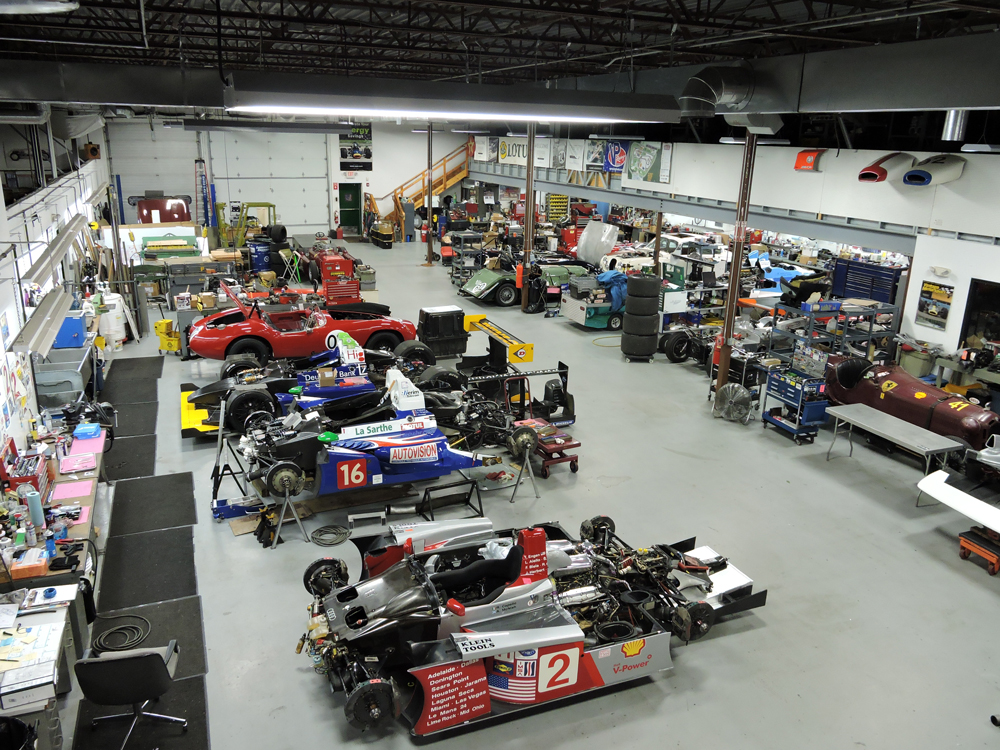
Although GMT doesn’t come across as a business of epic scale, it takes plenty of room to support approximately 40 cars at any given time for customers. The shop’s total storage space is around 25,000 square feet. It’s a significant investment, but storage is a vital part of serving his clientele. “The vast majority of cars we support have never been to the owner’s home,” said Mitchell. “The car comes to us, we go through it, take it to the track, bring it back, clean it up, and then get it ready to go out the next time.”
GMT Racing founder JR Mitchell has fielded road racing cars professionally for more than 40 years, giving him a wealth of knowledge and insight for clients.
Once the GMT crew arrives at the track with a car, the job of support entails whatever is necessary to keep the car running and the owner happy. No two events are exactly the same. “A good weekend is when you put gas in the car and check the air in the tires,” said Mitchell. “We try not to change motors at the track because more often than not, that ends in tears.
“Typically, we do gears, maybe some minor damage repair, a little bit of bodywork here and there,” added Mitchell. “But we usually don’t do anything too extensive, because if you have an actual crash, the organization will probably send you home. Especially if you’re at fault. They don’t want you out there without having your head screwed on straight.”
The Human Touch
With the vintage racing circuit active every month of the year but January, GMT is almost always on the move. A typical year can encompass about three dozen races, plus test sessions. It keeps the company’s staff extremely busy, but the crew gets it all done with hard work and plenty of multitasking.
“The whole shop is only a dozen people,” said Mitchell. “So, you can’t take an army with you to fix everything. We have some fairly simple cars where we can have one mechanic run them. And then we have other cars that we have to have a crew of two or three on them because it takes two people just to get the bodywork off. You have to be able to do a little bit of everything.”
Cars like the Peugeot 908 owned by a GMT client pose unique challenges for the crew. “I don’t know anybody else in the country right now that’s running a diesel Le Mans Prototype like the 908,” said Mitchell. “It’s doing really well, and the owner has been very successful with the car. But the original team would have 100 guys at the track. We bring three.”
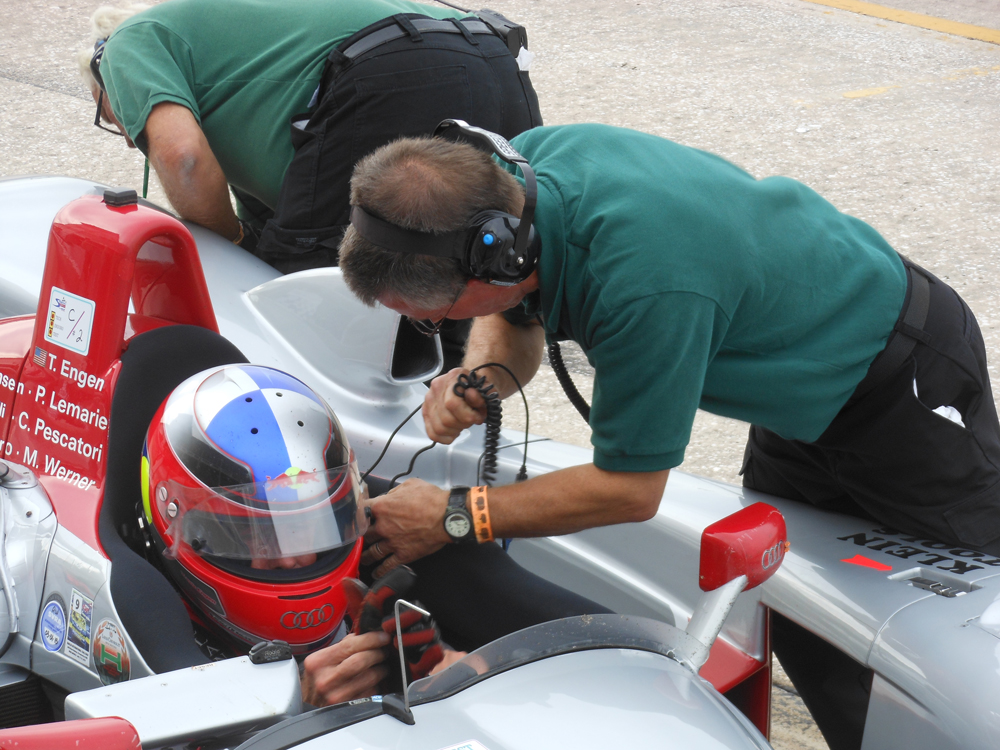
To meet the demands of supporting such sophisticated cars, GMT frequently supplements its staff with uniquely qualified experts and specialists. “We have three or four people that are what we call ‘fly-in,’” said Mitchell. “They’re highly talented people that didn’t really want to do this full-time anymore. They come in as needed to work. For example, on our Audi R8 crew we had a guy who won Le Mans three years in a row.”
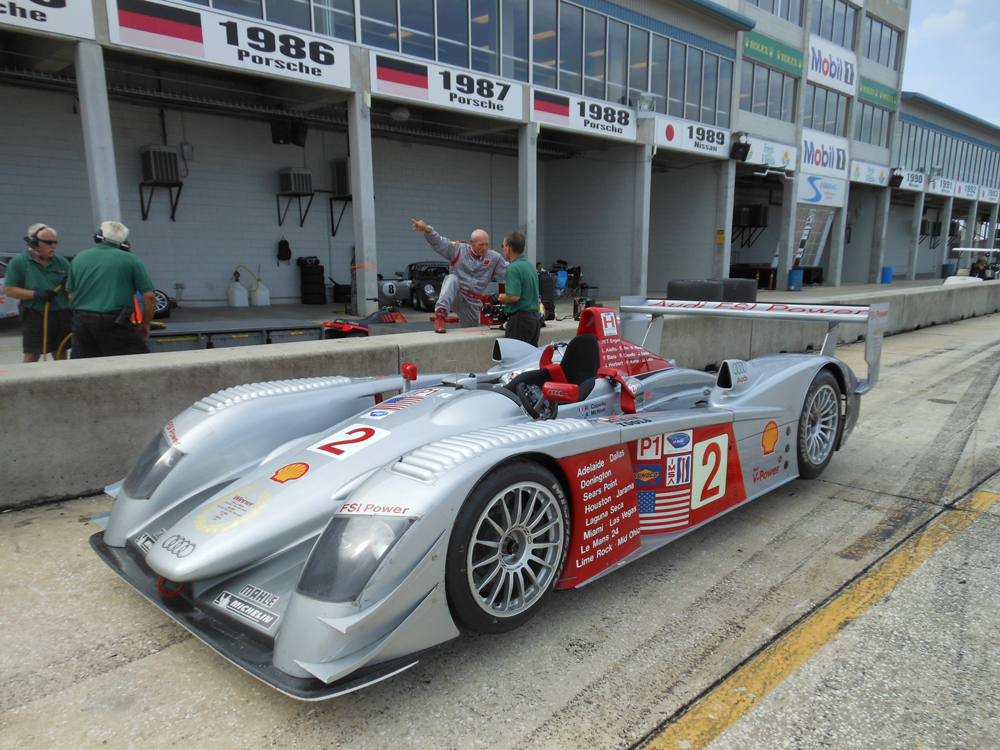
Relatively recent cars like this Audi Le Mans Prototype are increasingly seen in vintage racing. To support them, GMT often draws on pros who originally fielded such cars.
Family also plays a key role in GMT’s operations, with Mitchell’s wife, Eileen, handling the company’s finances and their son, Josh, working as a mechanic.
Mitchell is quick to point to the professionalism and teamwork of his staff as the biggest key to the company’s success. “We couldn’t do it without the guys who work here,” he said. “We’re only as good as they are to begin with. I’ve been blessed that way. The guys that have come in have stayed. It’s been a very stable workforce over the years. And the fact that they’ll stay and do the job, and they’re willing to learn and move forward with the rest of this stuff has definitely been a blessing.”
So what’s his secret for attracting and retaining such great employees? Mitchell chuckled and responded, “Beats me. I wish I knew. Must be what my wife is doing. I’m not the easiest person to get along with. I don’t know why they put up with me sometimes, but they have.”
Tools of the Trade
Crisscrossing the country to field dozens of race cars week after week requires some hefty transportation. For that, GMT depends on a combination of rigs from various sources. “We have three customers who own their own semis that we put the cars in when we’re done, and we have three of our own here,” explained Mitchell. “Cars go in the truck with whatever support equipment we feel we need. And that runs the gamut—bodywork, wheels, tires, ignition, lubricants, spare bits and pieces, you name it. We bring as much as we can, so we can try and be self-sufficient. We don’t have a truck with a machine shop on it, but we do bring some welding and fabricating equipment.”
Back at the shop, GMT has all the necessary equipment to handle most repairs, but Mitchell said there are still a few things they typically farm out, including bodywork, paint, and carbon-fiber repairs, “because there are better people than us to do it.” This is especially crucial with carbon-fiber work, which forms the structural basis for many of the cars GMT handles. “We have nearly a dozen cars here with carbon tubs, and a lot of times wings and other parts are all carbon fiber,” said Mitchell. “If those cars need structural repair, we know enough to send that off to a specialist. There are four or five guys we use to do repairs on the tub itself or the bodywork.”
The GMT Racing shop serves an eclectic mix of cars, ranging from simple British roadsters to advanced modern endurance racers. All present their own unique challenges, according to JR Mitchell.
To that end, Mitchell knows the value of good subcontractors, and he nurtures those relationships carefully. He explained, “When we find somebody good, we try to stick with them and make sure they’re around for us when we have a need by helping them when they need it.”
As a shop that caters to vintage race cars, one of the biggest challenges can be obtaining parts. Many of the cars GMT supports were built in very small quantities to begin with. The problem becomes even more daunting as those cars approach a century old. “We had a pre-war Alfa in here, and it used a very special differential with twin ring gears in it,” said Mitchell. “It was having lots of troubles. But you can’t just pick the phone up and get parts for it. And the parts that we could get for it didn’t seem to be done the way that I thought they should be. So we made drawings and had people make some carriers and gear sets for us. That improved the car a lot over what it was when it first rolled in.”
While sourcing parts for a race car built before World War II can be a challenge, it can be just as difficult to find spares for relatively recent machines. “You would think that with more modern cars, it would be easier to get parts, but that hasn’t been the case,” explained Mitchell. “Most of the earlier English race cars used parts adapted from street cars. That’s not so much the case anymore. Quite often we’ll have to go out and get a print done and get parts CNC’d or water-jetted and then get them heat-treated. It gets fairly involved.”
The job of track support is all about handling the details so car owners can focus on driving. That requires a diverse skillset and lots of multitasking from the GMT crew.
But reverse engineering and fabricating parts isn’t just to keep clients’ cars running. For GMT, it’s an important sideline for the business, through recently acquired company subsidiary Lee Chapman Racing. “It’s been a very good deal for everybody,” said Mitchell. “Racers can get parts when they need them, and it helps us through the slack times.” The Lee Chapman Racing division offers a wide array of parts for vintage race cars, including Lotus, Elva, Lola, Brabham, Chevron, and March. Many of these parts are custom fabricated for GMT by specialized subcontractors.
People-Pleasing Business Strategy
To bring in new clients, Mitchell relies most on just plain making his current customers happy. And that results in GMT’s best form of marketing—word of mouth. That said, he augments that with small ads in several vintage and historic racing magazines. He also maintains a limited online presence. “We have a website and we’re on Facebook and this and that. But we don’t spend a lot of time on it. Probably should but we don’t.”
Instead, Mitchell feels the best way to reach potential customers is just by doing what he does best: going to tracks, supporting race cars, and selling parts. “In a normal year, we’ll do 30 race weekends,” he said. “So we’re out there. People know to look for us. And the parts business has helped bring some people in. The rest of it truly is word of mouth.”
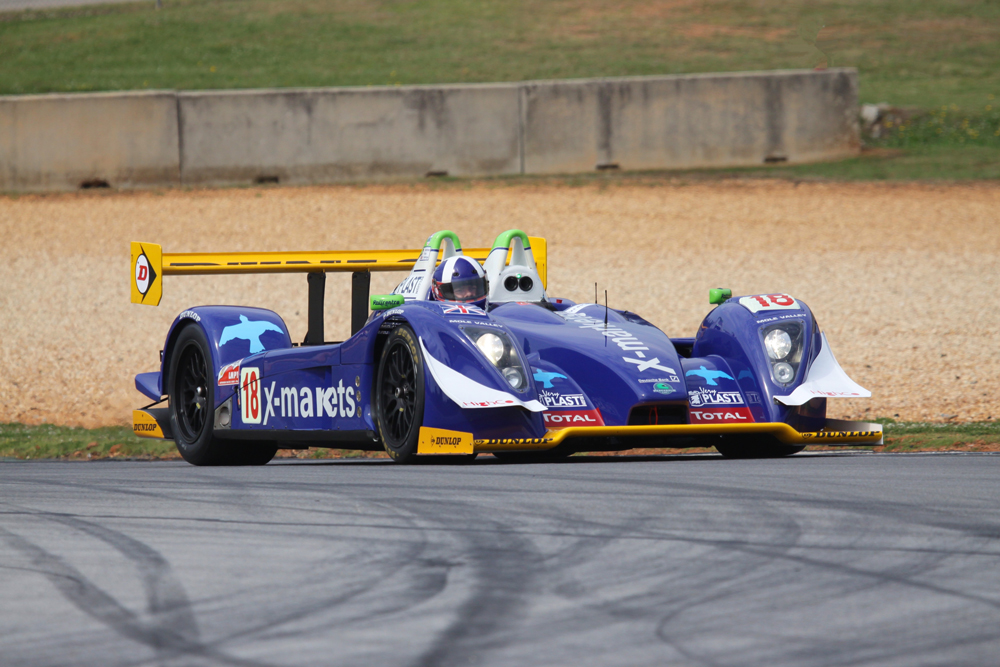
With GMT’s support, cars like this Pescarolo LMP1 are still winning races long after their original team has moved on. It’s all in a day’s work for JR Mitchell’s dedicated staff, he told us.
Beyond just providing a steady flow of work for the shop, getting customers by recommendation has also kept things varied and fresh for the GMT crew. “I honestly haven’t gone off trying to recruit somebody with a car that looks particularly neat,” said Mitchell. “When a customer wants to bring something in, we’ll run it. We fell into the Audi R8 we run because the gentleman we were already working with just decided he’d like to have an Audi R8. He had the means to do it and here we are. We have a little bit of everything, from Riley & Scott cars down to a couple of specials that were built out of Crosley motors. It makes it interesting.”
A pair of leading specialty shops have converted their passion for vintage race cars into lucrative businesses rooted in first-class customer support and service.
Examples of business done right abound in the PRI community, and Vintage Machine Works and Dernoshek Racing & Restoration are among the best for period and historic race cars. Both companies have tapped into a multi-generational love of racing while practically executing sound business practices. And both are succeeding by making customers the center of their attention. Here’s how…
Vintage Machine Works
Headed by brothers Mark and Scot Lefferts, Vintage Machine Works was established by way of legacy; it was preceded by their father’s shop, Vintage Auto Restorations Inc., which had served a small community of classic Bugatti racers starting in the late 1960s.
Mark took a job at his dad’s shop right out of high school in 1977, and caught the vintage racing bug soon after. Opportunities eventually arose for Mark to drive former Bugatti Grand Prix cars and other notable classics. “I stopped counting the number of special interest cars I’d driven after about 300,” he told us. “I could acclimate (to new cars) quickly, and it didn’t matter whether they were right- or left-hand drive or had a center gas pedal.”
Many of these drives happened at Lime Rock Park, Mark recalled. “We used to test at Lime Rock’s Tuesday Testing days,” he said. “Things we do on the dyno now, we used to do at the race track. We’d go with a Webber jet box (to tune carburetors), bed in new brakes, dial in suspensions so we could get the cars as close to race-ready as possible for our customers.”
In 2000, their parents closed the business for personal reasons, which prompted Mark and Scot to start Vintage Machine Works. This allowed Mark to get back in the shop and behind the wheel.
The brothers continue to work out of their original 3,300-square-foot garage in downtown Bethel, Connecticut. “We usually have anywhere from 10 to 12 cars in the shop at a time,” Mark noted. “Since we’re a machine shop, we can manufacture parts like a Bugatti water pump housing, for instance. And for what we can’t do in the shop, we have a huge network built over 43 years in the business. There’s nothing that moves on a vintage race car that we can’t get an answer on.
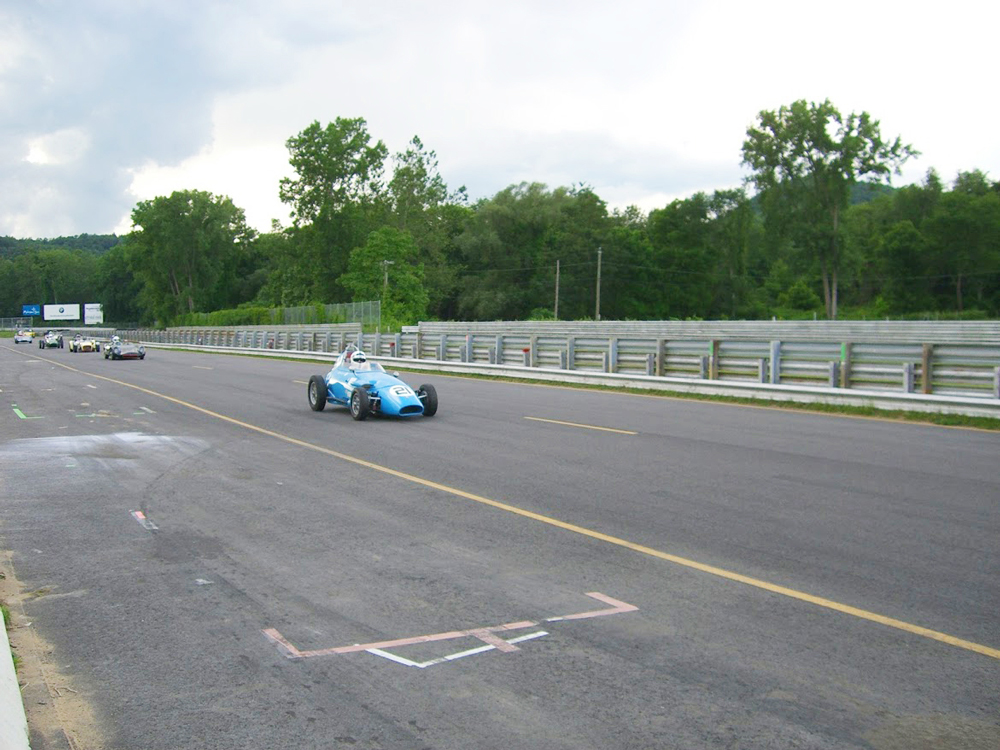
Happy clients come from reliable cars, noted Mark Lefferts about this 1959 Stanguellini Formula Junior. “We never had to open our toolbox” during a race weekend with it.
“The business has grown,” Mark said of their current workload. “We’re at every VSCCA event and campaign other cars in SVRA events at tracks across the US including Laguna Seca, COTA, and Daytona. While there’s usually one Bugatti in the shop at any one time, we’re normally out there with Sports Racers and Formula Juniors.”
Mark and Scot take a very hands-on approach to customer service. Beyond the brothers, just two or three others help as needed. This enables the small team to keep a close eye on their customers’ cars, down to the tiniest detail. “I do the post-race cleanup,” Mark said. “Rather than handing the car off to an apprentice, when I’m washing the car I have the chance to see if anything’s changed, like maybe a wheel spoke lost its head. I do all the cleaning because I notice things others would miss.”
Typically, Mark’s small group manages every aspect of their client car’s life. Restoration for a race series is followed up by pre-race preparation, transportation to the track, at-track prep and maintenance, support for the weekend (practice, qualifying, race), and post-race inspection.
The Experience
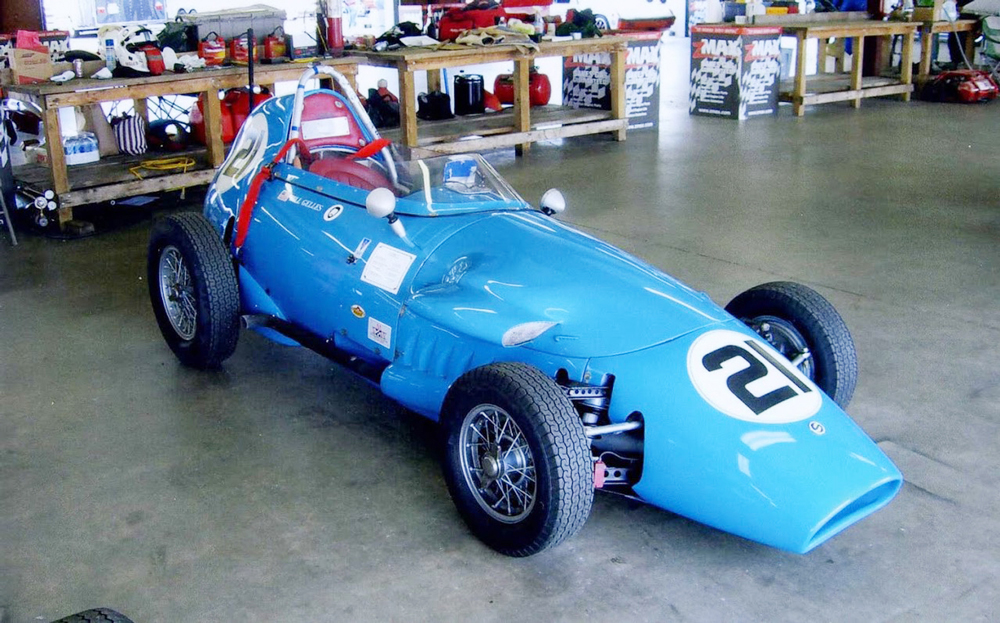
“This spring, we transported and supported one of our customer’s cars, a 1959 Stanguellini Formula Junior,” Mark told us. “We never had to open our toolbox. Having a 60-something-year-old $150,000 Italian race car run perfectly every lap throughout an entire weekend makes for a happy client.”
The story of this particular car illustrates Mark’s approach with his clientele. “The car is owned by Bill Gelles, one of my father’s former customers. I first worked on the car as an apprentice in 1978.” Gelles transitioned from vintage racing to full-on sports car racing and vintage grand prix motorcycle racing for many years, but after a serious motorcycle racing accident he returned to automotive vintage events with his Stanguellini.
Mark recalled when Gelles dropped off the car in 2002 after it had been laid up for the better part of 15 years: “It was in extremely poor condition, but we knew what needed to be done.” Mark and his team took the Italian down to the frame and rebuilt everything. The frame and suspension were media blasted and magnafluxed. The cracks in the frame were repaired, and the suspension was restored to the car with major improvements. Then, after attending the PRI Trade Show, Mark sourced dampers through AFCO, had anti-roll bars made for the car, and received help on tuning from GMT Racing (see profile on page 82) and Angelo Zarra from ANZE Suspension.
After so many years in the business, Mark has developed key long-term subcontractor relationships. A local shop handled the Stanguellini’s body and paint work. “During the disassembly we discovered the original color of the car, French Racing Blue,” Mark explained. Their clue was uncovered when they removed a piece of the windshield surround that revealed blue, which had been missed during a repaint to red.
The engine—a long-stroke Stanguellini-built Fiat 1100-cc four-cylinder—was originally rebuilt by S. Jennings Racing in Tooele, Utah, but more recent rebuilds are handled locally by Kiwi Engineering in Old Saybrook, Connecticut.
During the disassembly of this 1959 Stanguellini Formula Junior, the team at Vintage Machine Works discovered and subsequently restored the car’s original color, French Racing Blue.
The wheels were originally rebuilt by Cork Adams of Precision Wire Wheels (which has since been purchased by Brightworks), but Buchanan Spoke and Rim Shop out of Azusa, California, has been Vintage Machine Works’ only wheel supplier for the last five years. “We’ve had troubles with other wheel suppliers before, and when we used a certain shop, once we had 17 spoke heads fall off during a practice session! So now after every wheel rebuild, we check the wheels after their first outing. And we’ve never had a problem with Buchanan.”
The balance of the driveline also needed a complete overhaul. In addition to new rear axles, Mark’s team discovered that Fiat gearbox parts were non-existent. “Over the past few years, we’ve developed and machined our own gearbox internals,” Mark noted. “We can now use off-the-shelf Hewland Mk gears for first, second, and third. We still make the fourth gear in-house. And everything fits in the original case.”
Finishing details on the open wheel Italian included XRP lines, an Odyssey battery, MSD Ignition components, and a variety of pieces from Pegasus Auto Racing Supplies.
“To this day we’re running the same car,” Mark told us. “Our relationship (with the Stanguellini’s owner Gelles) has been long and very good. We travel together, we eat together—all of those good things that don’t have to do with the car itself but are great.”
Dernoshek Racing & Restoration
While highly accomplished in his own right, Logan Dernoshek enjoyed the benefits of growing up under the guidance of his father—Warren Dernoshek wrenched professionally for the famous Chevrolet dealer and race car driver Don Yenko.
Logan Dernoshek started racing karts in the early 1990s, progressed up to modifieds, then NASCAR Late Models, followed by a move into the Hooters Pro Cup regional series. “In the mid-2000s, a lot of the NASCAR (Cup) drivers and teams started forming second-tier development teams to compete in these series, and it made it unaffordable for regular people (like me) to stay in the game. It was around then that I discovered vintage racing, and I liked it a lot more,” recalled Logan, now in his early 40s. “The people enjoy themselves (at vintage events). It’s not just business. But the competition is still there because you’re usually racing against former SCCA national or regional champions in really well-prepared cars.”
From its new 6,000-square-foot shop in Kannapolis, North Carolina, Dernoshek Racing & Restoration is situated among some of the top racing operations in NASCAR, IndyCar and IMSA. Think Hendrick, Penske, and others. The access to expert racing talent, technology, and fabrication services are all within a stone’s throw.
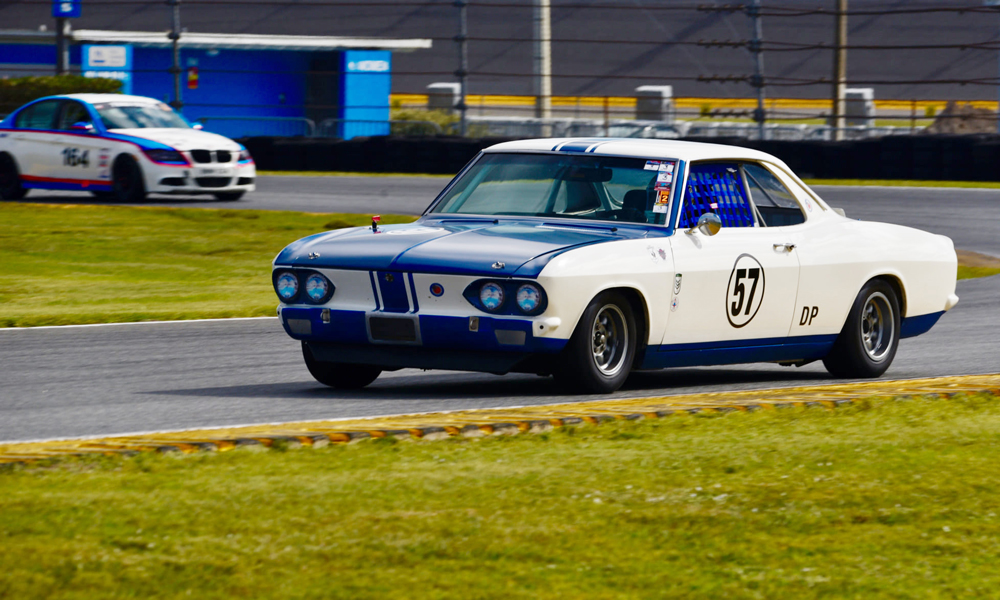
Logan Dernoshek rose through the ranks of motorsports before finding his niche in vintage racing. Now he fields this former SCCA Champion GT3-spec Corvair.
Bucking convention, the garage opened last summer. “Yes, it was crazy to open during a pandemic,” Logan said with a smile, “but I saw that there was a huge market for vintage racing support.”
As for the business, Dernoshek Racing & Restoration’s shop is outfitted with a drive-on Mustang Dynamometer chassis dyno that’s good for 1,000 horsepower. To facilitate chassis and suspension setups, the shop also features a full-size surface plate.
When asked what the customer experience is like for a full-on restoration and race-support program, Logan cited the importance of answering key questions before the project begins: “Where does the owner want to race it? We need to know the series’ rules. How period correct does the owner want it to be? What is the car’s history? Any provenance needs to be respected as you decide to restore the car and choose at what point in history you want to restore to.”
This final point recognizes that race cars tend to evolve over their lifetime as rule changes, crashes, and other factors influence modifications made to the car along the way. Customers need to pick a time to anchor the restoration, then the process can begin.
While Logan’s father Warren still participates in engine builds, Logan taps into the highly skilled local resources available to him in the area. For example, Rahmoc Racing Engines performs major engine work, and a local chassis builder handles roll cage fabrication. Logan does some body work in the shop, too, but depending on the level of finish the customer wants, he has partners in the paint and body shop business that will do the job more efficiently than he can.
Currently, Logan transports customers’ cars in an enclosed trailer, but as business grows the acquisition of a dedicated hauler is expected. An accomplished racer himself, Logan can coach drivers trackside while dialing in the car mechanically. The project manager in him constantly pushing the business toward customer-optimized solutions.
The Experience
While he didn’t have a major customer restoration in the shop when we spoke in mid-June, Logan told us he manages projects like his current personal undertaking: a recently acquired GT3-spec Corvair that was campaigned for years by SCCA National Champion Jon Brakke.
The process focuses on safety, performance, and reliability. Logan performs the complete teardown and then goes through each of the car’s sub-assemblies and systems; engine, driveline, suspension, brakes, body, roll cage, fuel cell, and more.
Just as he would with a customer’s vehicle, Logan first researched and considered his car’s provenance, including when it last raced. He then defined the type of event he was going to attend (vintage events rather than highly competitive SCCA races) and took an accounting of current rule sets.
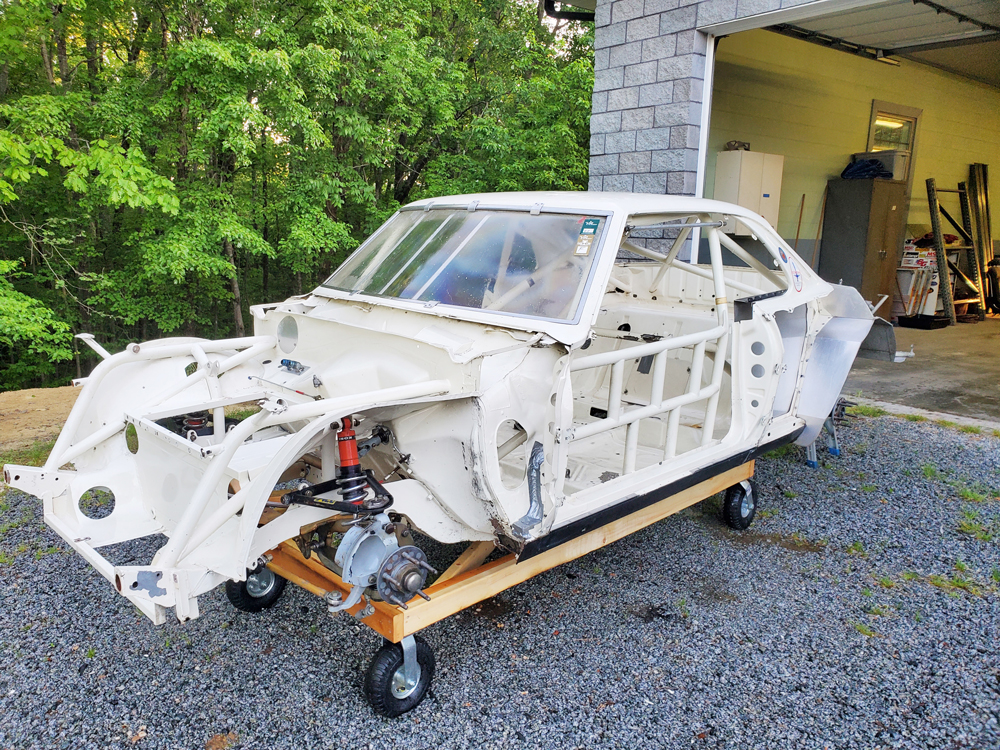
His GT3 Corvair was last run in the year 2000, and given the race car’s condition, it made sense to complete a mechanical restoration to that point in time. With the car at his shop, Logan did a major disassembly, pressure washed everything, and finished a detailed cleaning. The car proved sound and needed only basics like rewiring and safety updates (fuel cell bladder and battery box). Logan then rebuilt the brake calipers, repacked the wheel bearings, checked the frame and suspension components for cracks, and freshened the engine and transaxle.
To prepare this Corvair for competition, Logan Dernoshek researched the car’s provenance, and the rules it would compete under, then completely disassembled and rebuilt it.
“While I want this car to be quick and fun to drive, mostly I want it to be reliable,” he explained. “I don’t want to spend my time at an event in the garage working on the car. I want to maximize my track time, and I know that’s what customers will be looking for, too.”
Making the car mechanically sound and track-ready was Logan’s first stage of work for the GT3 Corvair, and the car’s maiden event was the (recently completed) Pittsburgh Vintage Grand Prix. As this issue was going to press, Logan was contemplating a cosmetic restoration. “I’ll see about sandblasting the tub and a repaint, but at this point I really just wanted to get it back running and on the track.”
Logan noted that he’d be fine with hands-off customers who just want him to “make it so,” but he prefers customers who like to take an active interest in their cars. “Realistically, I can’t have customers turning wrenches with me because of shop liability issues,” he added, “but I like having owners involved so I can help make the car right for them.”
 MEMBERSHIP LOGIN