Mark Your Calendars: PRI Show Housing Opens June 9

Submitted by ajh on Fri, 05/29/2026 - 11:52
An aerial view of downtown Indianapolis.


The three biggest business days in motorsports are calling! The world's largest gathering of racing professionals will roar back to downtown Indianapolis from December 10-12, and housing for the highly anticipated 2026 PRI Show opens next week on Tuesday, June 9, at 10:00 a.m. EDT.

ROOMS FILL QUICKLY, so mark your calendars and set your alarms! This is your chance to ensure your team is ready to go in December for the most exciting event in motorsports business.

Don't miss out: head to the PRI Show website for all the details and book your room at this link when reservations open on Tuesday, June 9.

May 2026

ICYMI: Redefining Performance Limits and Engine Durability With Valvetrain Upgrades

Submitted by ajh on Fri, 05/29/2026 - 08:46
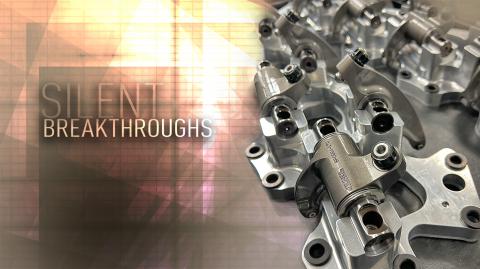
Graphic for Silent Breakthroughs in Valvetrain Performance.


While power adders and wickedly high-horsepower numbers are drawing all the headlines today, aftermarket valvetrain companies are quietly creating a significant performance impact in motorsports. Valvetrains can now consistently survive at higher rpm and cylinder-pressure levels, as opposed to just holding out at peak power once or twice. Manufacturers are moving engine builders toward valvetrain combinations that are selected as a tuned system, in contrast to ordering a pile of what appear to be brawny and sturdy parts. New or proprietary materials are often driving this progress.

"As boost levels climb and rpm limits continue to rise, Jesel remains focused on material advancements, coatings, and heat-treatment refinements, many of which remain proprietary," said Bob McDonald of Jesel, Lakewood, New Jersey.

"The materials that we use are a little bit more expensive and engineered specifically for the job. That's compared to just getting any kind of material from a supplier. I went and got the material I wanted," added Claude Holguin of CHE Precision, Thousand Oaks, California. "It's a proprietary material, something that I developed over many years of working with a good chemist who was also a motorhead. All our valve guides are made out of that material. Some of our valve seats are made out of that material. It depends on the application."
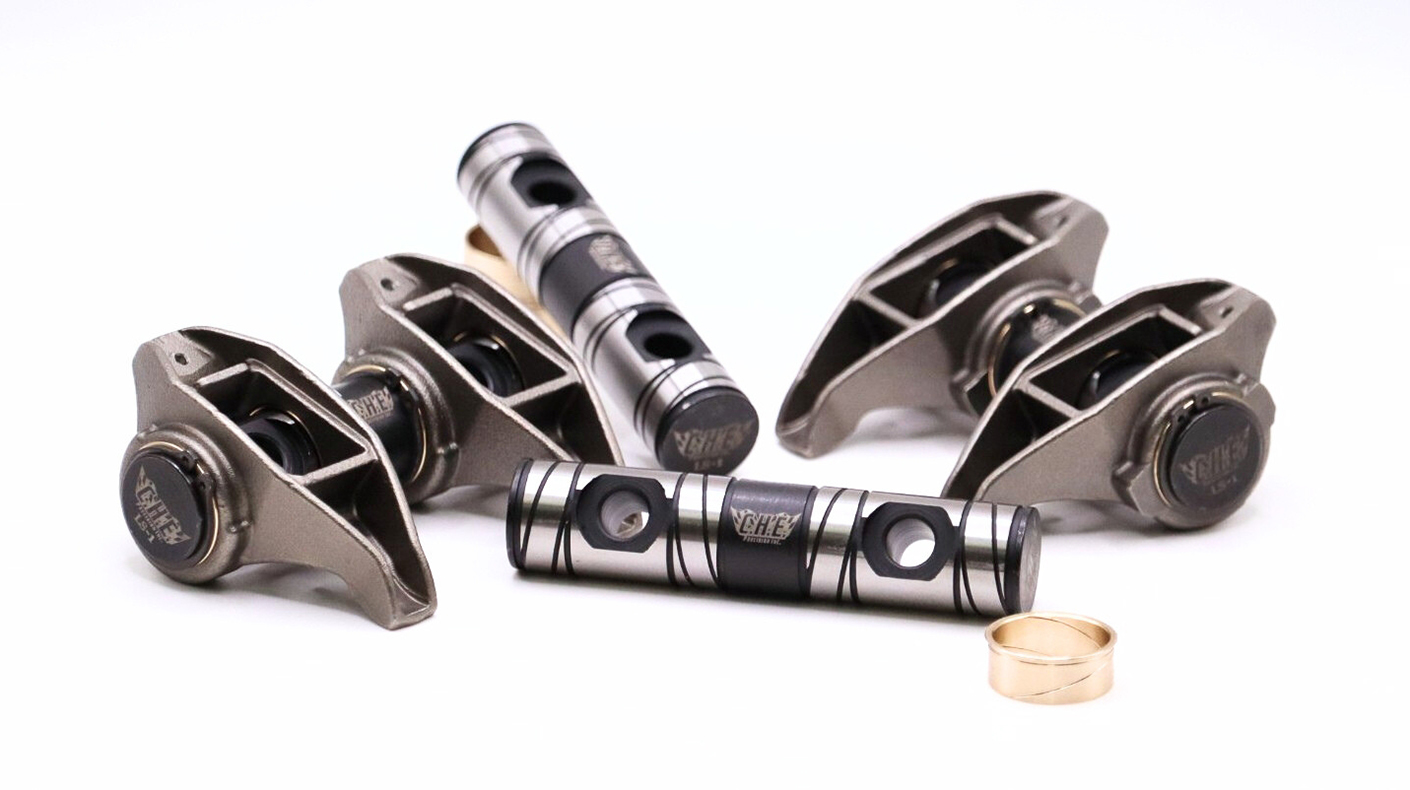
The CHE Precision shaft-mount LS trunnion kit.


The CHE Precision shaft-mount LS trunnion kit features 32 full-floating bronze bushings and is designed to ensure rigidity and minimize rocker-arm movement.


For years now, racers have known that thicker, stiffer pushrods reduce deflection, which results in more consistent valve-event timing. Some of that strategy is being leveraged in the development of other products. Breakthrough changes in recent years include bushed roller lifters that eliminate needle bearings and more robust lifter bodies that survive high spring loads. Racers are now seeing the benefits of replacing aluminum rocker arms with shaft-mounted steel models to survive boost pressures in drag-and-drive situations. Finally, better alloys, unique designs, and upgraded manufacturing have resulted in much-improved valve-spring durability and performance.

Basically, the valvetrain is an energy management system since every component stores and releases energy at some point in the combustion cycle. That's why manufacturers use Spintron testing and advanced computer modeling to develop coherent systems that control these actions more efficiently to improve performance and survive the increased stress on the individual but compatible components. And manufacturers are even more precise by applying these design principles to specific applications.

"Our 4.9 Noonan Pro Steel rocker system is built on decades of proven materials and valvetrain design experience," explained McDonald. "The system was engineered specifically to improve stability and durability at engine speeds approaching 11,000-plus rpm. And it was developed in collaboration with racers transitioning to the Noonan cylinder-head platform. This rocker system quickly earned its place on some of the fastest cars in the country."


Valves
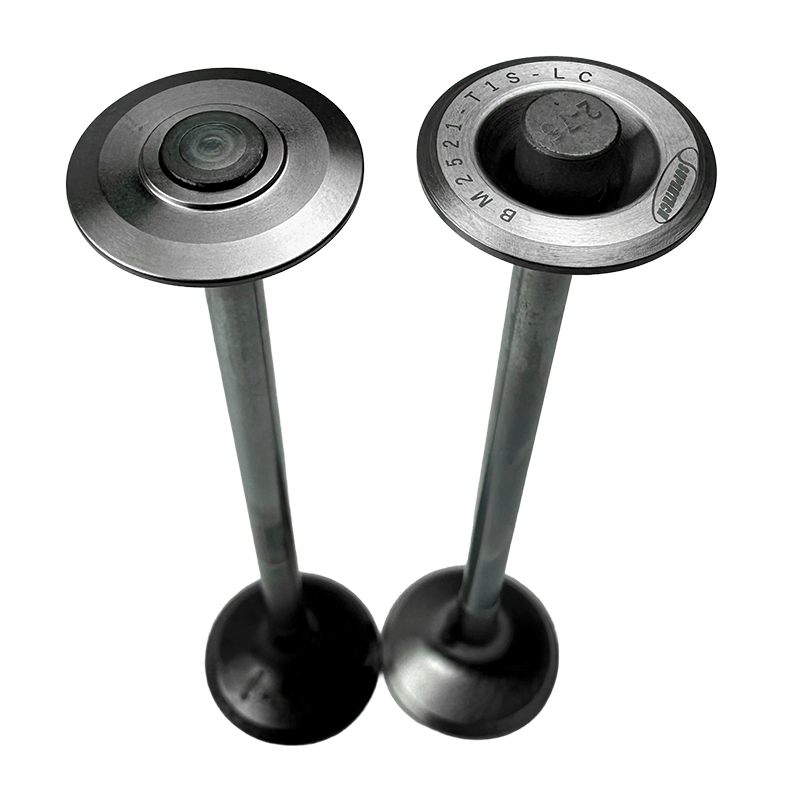
Supertech valves.


For another solution to the lost BMW factory shims, Supertech eliminated the shim and developed two different versions of a kit that uses a lash cap.


Over at Supertech Performance in Morgan Hill, California, engineers noticed that on certain BMW and Audi turbocharged applications, the adjusting shim on the top of the exhaust valve would be kicked out at high rpm or with high-lift camshafts.

"To solve this issue, we have come up with two different solutions, depending on the application," explained Willy Tagliavini. "For engines running bucket-type cam followers, we developed a bucket with the shim inside the bucket. For engines running rocker arms, we developed a kit that eliminates the shim and replaces it with a lash cap that is much more stable."

Tagliavini also noted these engines may have another weakness if there are three lock grooves on the valve. "It's the weakest and thinnest part of the valve and is prone to failure in aggressive applications," he said. "So, we've converted to single-groove lock."

As for boost applications, Tagliavini said adjustments have been made to the exhaust side to achieve more endurance at high temperatures. That may require a heavier or more robust material. "In some other cases, we've resorted to a hollow, sodium-filled exhaust valve with good success," he added.


Valve Springs
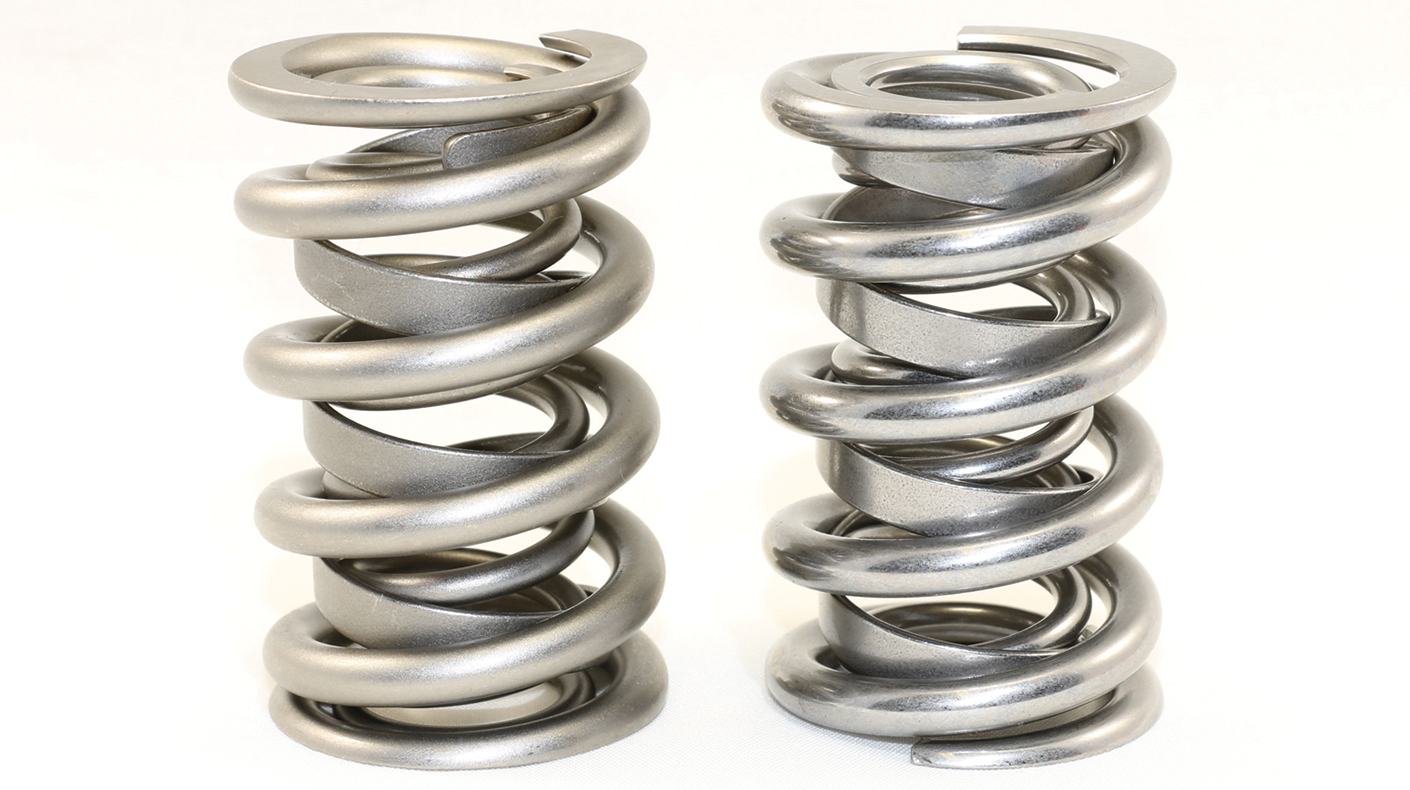
Isky Racing Cams Max-Life dual valve spring.


Isky Racing Cams' Max-Life dual valve spring with a damper is available in different heights and with different ratings for seat and open pressure.


Valve springs have arguably been the key to improved performance over the past couple of decades. Springs were made stronger, yet heavier, to work with higher rpm and high-lift camshaft lobe profiles. This included Pro Stock engines, where the total valve lift exceeds 1.250 inches. Lately, new materials and camshaft profiles are reversing the trend, allowing smaller-diameter and lighter valve springs without losing valvetrain control.

"We're going to an ovate wire on some of the designs and then using a super-clean wire with different finishes, different heat-treats," said Nolan Jamora of Isky Racing Cams, Gardena, California. He noted the super-clean wire material is sourced from Japan or Sweden. "The super-clean wire doesn't have any inclusions, and that is what can lead to cracks."

The new wire allows smaller-diameter and lighter springs without giving up durability. The smaller spring uses a smaller retainer, which results in less weight on the valves and allows higher rpm operation. Jamora also noted that the endurance lessons learned in circle-track racing have filtered down to today's drag racing as drag-and-drive events gain popularity.

"It's a combination of high open pressures that will take the loads for hundreds of miles. That's where the polishing, enhanced surfacing, and finishing all come in. And really, old track and endurance racing is where it started. Now it's drag-and-drive," said Jamora.

While it may be considered somewhat of a curious approach, some engine builders are starting to design their engines around the valve spring. "Yeah, you can do that," added Jamora. "Then you figure out what mass your valve needs to achieve a certain rpm. Then you figure out how aggressive or smooth the lobe profile has to be for that type of spring. But that's really over-simplifying the equation."


Going 'Old School'
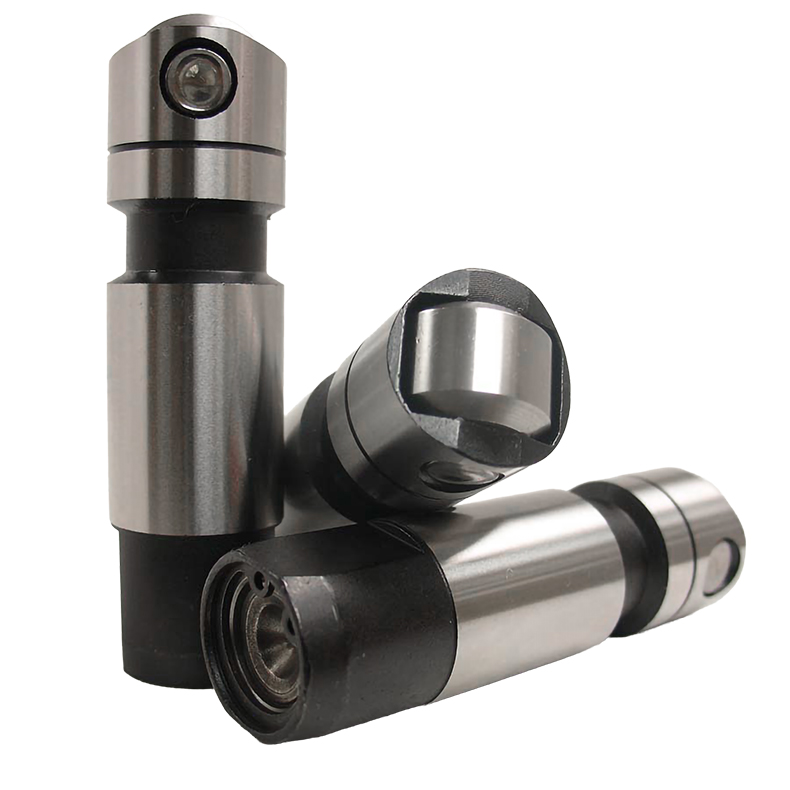
HyLift Johnson lifters.


HyLift Johnson lifters designed for Gen III Hemi applications feature tighter tolerances for slower leakdown, direct oiling to the needle pins in the roller, and a hardened black-oxide finish.


Upgrading vintage muscle car engines is also a hot topic these days. Isky has developed hydraulic-roller conversion kits for engines popular in the 1960s and 1970s, including those that came with solid flat-tappet cams from the factory.

"We're doing a lot of hydraulic roller lifters for old engines like Chryslers and Pontiacs," said Jamora. "Some of the guys still want to run older engines, but they don't want to deal with flat tappets, either hydraulic or solid. It's hard to get flat-tappet cores and lifters these days. The price just keeps going up, so there's a crossover point where it's worth it to buy a hydraulic roller kit. You have to go to a shorter pushrod, but spring pressure and rocker arms all stay the same."

Another company offering hydraulic roller upgrades or conversions is Hylift Johnson, which is a subsidiary of Topline Automotive Engineering in Muskegon, Michigan. But it also caters to the hardcore enthusiast who wants to keep the factory setup.

"A lot of '60s and '70s cars survived, especially in the South and out West, and they had flat-tappet cams," said Dave Ewert. "We still offer flat-tappet lifters to guys who are keeping their matching-numbers engines and so on." He said the company is also busy with motorcycle, tractor, and even small-engine applications. "The thing about our flat tappets, the quality is there. The crown is there, the internals are right, and the material is right."

Ewert explained that the choice often comes down to cost. A set of new flat-tappet lifters can be around $200, while a conversion kit that includes the cam, tie-bar lifters, and pushrods can easily exceed $1,000. "And there are a lot of circle-track motors that have rules requiring flat-tappet lifers," he said.

Hylift sells only lifters, so a full conversion kit with the cam, springs, etc., isn't available. "We let our larger customers and distributors put those together with our lifters included," said Ewert.

With the stock replacement lifters, Hylift maintains a factory durability standard, basically a Rockwell hardness of 56 to 57 in the materials, according to Ewert. There's also an upgrade to a material with a 59 to 60 Rockwell rating that features more nickel and molybdenum in the alloy. "A lot of circle-track racers like that, and it's peace of mind to someone building a really expensive street engine."

For those using the roller lifters, Hylift has patented a Direct Shot oiling feature that directs lubricant to the needle bearings in the roller wheel. The oil-supply hole is located away from the engine oil-supply gallery to help prevent debris from clogging the small oil-supply holes in the lifter. These lifters are also assembled with a performance C-clip retainer.


Rocker Arms
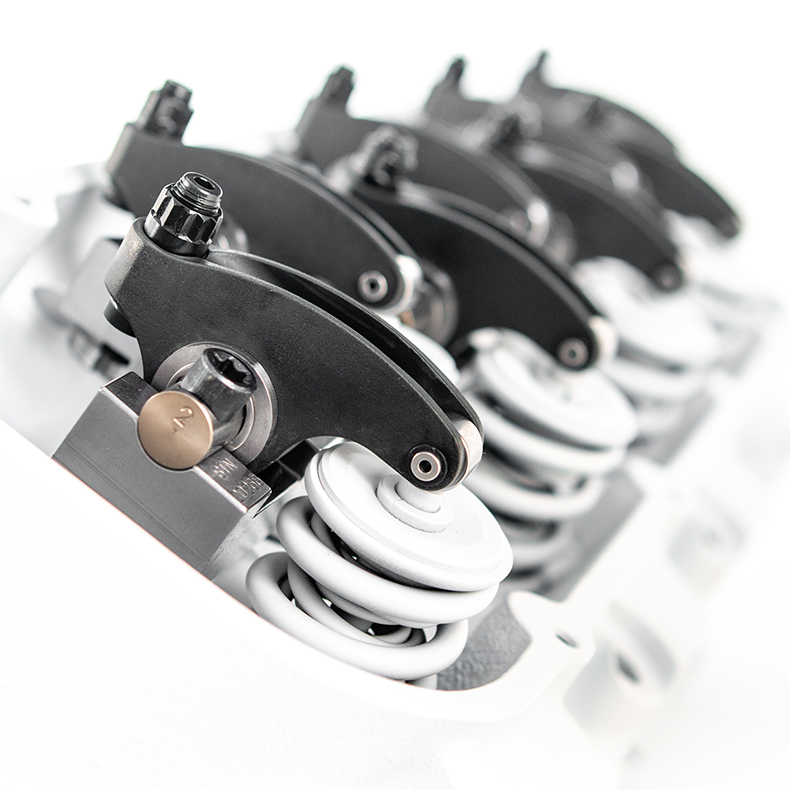
Jesel Sportsman series for big block Chevy V8.


More racers are moving toward steel rocker arms, according to our article sources. Show here is Jesel's Sportsman series for a big block Chevy V8.


As for rocker arms, there is a shift toward rigidity and extended lifecycles. Lightweight aluminum rocker arms were all the rage years ago, but fatigue issues in endurance and high-rpm applications are leading engine builders to consider using steel rocker arms. As mentioned earlier, rocker arms are being designed for specific applications as new and different types of cylinder heads are introduced to the racing market. Most of these require shaft-mounted rocker arms to withstand today's high-horsepower levels, but it can be complex to achieve the correct valvetrain geometry with those designs.

"With every new engine block and cylinder head introduced to the market comes the need for a compatible belt drive, lifter, and rocker system--and keeping pace with those releases is a full-time job for Jesel's engineering team," said McDonald. He noted that while the valvetrain starts with the camshaft, the camshaft is dependent on the timing set. "Among Jesel's most notable recent advancements is the redesign of its LS camshaft belt-drive for standard cam height blocks. While the original version required block machining, the newer Direct-Fit system eliminates that step."

Jesel has also expanded its Sportsman steel rocker-arm line. "It's become a go-to solution for boosted and nitrous-assisted combinations. Its durability and longevity have made it especially popular in high-load environments, including marine applications," added McDonald, noting that the next step is the Pro Series, which is manufactured from proprietary custom forgings and finished with needle-nose rollers. "As boost levels climb and rpm limits continue to rise, Jesel remains focused on material advancements, coatings, and heat-treatment refinements, many of which remain proprietary.

"While aluminum rockers remain widely used, the durability demands of today's high-end builds--particularly in applications involving turbochargers, blowers, and nitrous--have pushed many racers toward steel," continued McDonald. "From Pro Stock and Pro Mod to Top Fuel, sprint cars, circle track, endurance racing, diesel platforms, monster trucks, and marine applications, steel has become the standard for extreme performance."

PRW Power of Perris, California, offers a good, better, and best lineup of rocker arms to support street performance and many racing applications. First, there's a standard pedestal design called the Sportsman, followed by the pedestal/rocker stud that is the Pro Series. Finally, the company offers the Elite shaft-mounted rocker setup.

"The Sportsman is basically stock replacement, and the next level is our Pro series. It's aluminum with the ability to go up to 650-pound open spring pressure," explained Cary Redman. "The best is the Elite, which is a stainless-steel rocker that can work up to 1,000-pound open-seat pressure."

Even though the Sportsman is the base rocker, it offers racer-inspired design and manufacturing features. "Some racers are required to run a stamped- or cast-steel rocker--that's their limiting factor under the sanctioning body rules because they can run a camshaft that's only so big," noted Redman. "What makes ours unique on those specifically is that when you are at high rpm, typically what happens is that the oil pressure is high and the oil is shooting over the pivot ball, which is where it's critical and where you need it the most. Our rocker arms actually deflect the oil down into the pivot ball."

PRW worked with a racer who was welding a small flat tab to the back of the rocker where the oil comes up through the pushrod. The objective was to deflect the oil into the base area to better lubricate the pivot ball.

"That welding really turns into an expensive set of rockers," said Redman. "Ours have that tab cast in, so you don't have to worry about the welding wire or other debris flaking off."

As for pushrods, PRW offers an "industry standard" 0.080-inch wall thickness in 5/16- up to 3/8-inch, which handles much of the market that supports flat-tappet camshafts.

Moving forward, manufacturers continue to analyze failures and develop improved valvetrain components through design and materials. "We are definitely working on the next generation of product," concluded Jamora.

To read the full article, plus hundreds of other articles like it for free, sign up for a digital subscription to PRI Magazine on Zinio here.   

Once you download the Zinio mobile app or are logged into Zinio on a desktop browser, you will gain immediate access to more than a year's worth of content, including "Silent Breakthroughs: Upgrades in Valvetrain Components" here and additional coverage in the May/June 2026 issue here.


Sources

CHE Precision

cheprecision.com

Isky Racing Cams

iskycams.com

Jesel

jesel.com

PRW Power

prwpower.com

Supertech Performance

supertechperformance.com

Topline Automotive Engineering (Hylift Johnson)

toplineauto.com

 

May 2026
By
Mike Magda

Race Shop: May and June's Top Racing Products

Submitted by ajh on Fri, 05/29/2026 - 08:21
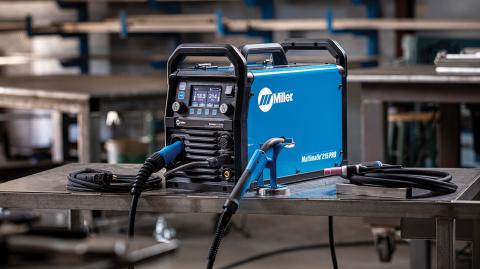
The Miller Electric Multimatic 215 Pro.


Be the go-to source for all the latest parts and services to enhance your customers' motorsports programs.

DOCOL TUBES

AED METAL PRODUCTS

aedmetals.com

AED Metal Products Docol Tubes


After a four-year lapse in production by SSAB, AED Metal Products in Indianapolis, Indiana, now has Docol available in .120-inch-wall tubes for off-road trucks, buggies, rally cars, pulling tractors, and UTVs. Current offerings include: 1.50 x .120-in., 1.75 x .120-in., and 2.00 x .120-in.

Docol is an advanced high-strength steel tube designed to offer performance values better than aircraft-grade 4130 tube, with similar fabrication characteristics. Docol is widely accepted as an alternative to 4130, with global approval from SFI, FIA, and most sanctioning bodies. AED also stocks Strenx advanced high-strength steel sheets as a less expensive alternative to 4130 sheets and plates.


ONE ART AIR

OMP RACING

us.ompracing.com

OMP One Art Air


The OMP brand of Racing Force Group in Mooresville, North Carolina, has introduced the One Art Air, its most breathable racing suit, exceeding breathability by more than 10% of previous OMP top-of-the-range models. Two years of research, development, and tests were conducted on exclusive fabrics that provide a new level of performance in fireproof racewear. The One Art Air suit, homologated to the FIA 8856-2018 safety standard, is based on a layered construction designed to maintain the driver's body temperature inside the cockpit. This supports the driver's performance even in the most demanding racing conditions.

The new TxArt outer fabric features a proprietary solution that integrates the Art sublimation technology, which offers bright colors and creative freedom for custom products. The external layer is paired with the inner Air materials for enhanced breathability, reduced weight, and improved comfort. Air technology is also designed into the other top-tier models in OMP's 2026 range—One-S Air and One Evo Air. Both utilize a standard outer layer with dedicated characteristics to meet the diverse needs of drivers.

"The OMP brand's history has always been defined by its ability to innovate and push the limits of safety and performance," said Paolo Delprato of Racing Force Group. "In keeping with this philosophy, the One Art Air is poised to be a game-changer for the industry. Our accomplishment is even more significant because it has been achieved with a sublimation-printed suit, a technology that we first introduced in motorsport in 2016, and which now, thanks to the Air concept and the TxArt outer fabric, is positioned at the absolute top of the range."

OMP's Morco Lazzari added, "The performance gains obtained with the One Art Air suit are the outcome of a process that began two years ago, when we took full control of our fabric development, developing exclusive materials tailored to our goals. The Air technology was approved after testing hundreds of fabric combinations to blend breathability, lightness, and comfort with the strictest FIA safety standards. In the One Art Air suit, it has led to unprecedented results in racewear. The feedback we received from drivers in Formula 1, WRC, and other top-tier categories such as INDYCAR shows the strong foundation of this ambitious project."


MULTIMATIC 215 PRO

MILLER ELECTRIC

millerwelds.com

Miller Electric Multimatic 215 Pro.


Miller Electric in Appleton, Wisconsin, offers the Multimatic 215 PRO with support from Ringbrothers. Engineered for professionals and small to mid-sized operations, the new multiprocess welder delivers enhanced power, flexibility, and ease of use, helping users tackle more jobs with its weld quality and uptime.

Delivering multiprocess versatility, the Multimatic 215 PRO allows welders to switch seamlessly between MIG, DC TIG, and stick within a single unit—no cable swaps or power-source changes required. A USB-enabled architecture makes the system future-ready, letting users install software updates and performance enhancements without mechanical adjustments or downtime. Its higher duty cycle, paired with a 15-ft. MIG gun, supports longer, more continuous welds while reducing the need to reposition the machine. Setup is streamlined through a 4.3-in. color display and Auto-Set technology, giving operators an intuitive way to fine-tune settings across multiple materials and processes.


To read the full article, plus hundreds of other articles like it for free, sign up for a digital subscription to PRI Magazine on Zinio here.   

Once you download the Zinio mobile app or are logged into Zinio on a desktop browser, you will gain immediate access to more than a year's worth of content, including "Race Shop: May and June's Top Racing Products" here and additional coverage in the May/June 2026 issue here.

May 2026

Mr. Gasket Co. Founder Joe Hrudka, 87

Submitted by ajh on Thu, 05/28/2026 - 13:51
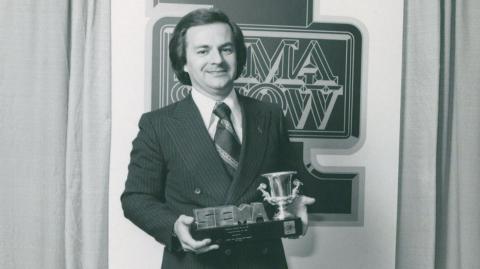
Joe Hrudka


Joe Hrudka, the Cleveland-born founder of Mr. Gasket Co. and SEMA Hall of Famer, passed away on May 24, 2026. He was 87.

An accomplished drag-racer himself, Hrudka used his own '57 Chevy as a rolling test bed for the development of specialized, heat-resistant gaskets for his race cars before ultimately launching Mr. Gasket Co. in 1964.

Selling the gaskets out of the trunk of his car, word got around to other drivers, and soon Hrudka was literally "Mr. Gasket," selling the sealers, at first under the Speed Specialties name, then as Mr. Gasket Co., selling a line of head gaskets, exhaust gaskets, oil pan gaskets and fasteners. Today, the Mr. Gasket brand is part of Holley Performance Brands.

In addition to being inducted into the SEMA Hall of Fame as part of the Class of 1980, Hrudka was a SEMA Memorial Scholarship subfund sponsor and member of the East Coast Drag Racing Hall of Fame.

Traci Hrudka, niece of Joe Hrudka and daughter of Tom Hrudka, shared the following message on social media (edited for length):

To all who knew him, his extraordinary and legendary accomplishments in the entire racing and performance industry are all well known and revered.

Joe's biggest passion in the industry was taking care of racers, and being an avid racer himself, he knew where the need was and made sure it was done.

Joe's mentor and inspiration was Chris "The Greek" Karamesines, and his hero was John Force. Oh, how many times he would call me when John was at a race, putting his two cents in. 

The industry just became a lot dimmer with his loss, yet the legacy will always shine brightly.

Read Hrudka's full obituary.

May 2026

Universal Technical Institute Joins S&P SmallCap 600 Index

Submitted by laurap on Wed, 05/27/2026 - 15:07
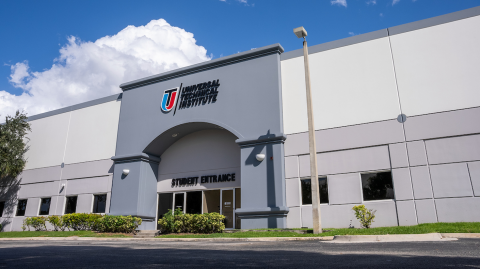
An image of the UTI campus in Miramar Florida.


Good news for the industry: Universal Technical Institute, Inc., one of the primary feeder schools for motorsports technicians, has announced it has joined the S&P SmallCap 600 Index, effective prior to the opening of trading on Wednesday, May 27, 2026.

The S&P SmallCap 600 Index seeks to measure the small-cap segment of the U.S. equity market. The S&P SmallCap 600 Index seeks to measure the small-cap segment of the U.S. equity market, and signals stronger credibility and financial performance for the company.

"Our inclusion in the S&P SmallCap 600 Index represents a significant achievement for our company, students and shareholders and reflects the successful execution of our North Star strategy to date," said Jerome Grant, CEO of Universal Technical Institute, Inc. "As the significant demand for skilled-collar and healthcare professionals is accelerated by AI-driven investments reshaping the economy, we believe UTI is uniquely positioned to continue to train the workforce of the future. We are pleased to see the progress in our business model recognized by the broader investment community."

Universal Technical Institute's North Star strategy is a multi-year initiative to address America's skilled labor shortage. The company's industry-aligned training programs are offered at two divisions: Universal Technical Institute (UTI), which focuses on transportation, skilled trades, electrical and energy education; and Concorde Career Colleges, which specializes in health professions.

Now in Phase II, the North Star strategy's core tenets of growth, diversification and optimization include opening multiple campuses annually between 2026 and 2029; launching 10-20 new programs annually at existing campus locations; and enhancing its operations to make the most efficient use of resources, according to UTI.

In March, the company opened UTI-San Antonio, its first-ever campus focused exclusively on skilled trades programs, with offerings in welding and an electrical training suite of robotics, industrial maintenance and electrical/electronics, among other focuses.

Later this summer, the company will open UTI-Atlanta, its first campus in Georgia that will offer multiple training programs supported by advanced classrooms and specialized labs for automotive, diesel, aviation, electrical, robotics and automation, plus HVACR and welding.

In addition, the company has also announced plans for a new UTI campus in Salt Lake City. All campuses are subject to regulatory approvals.

For more information, visit uti.edu.


FIA Sustainable Innovation Series Launches in Montréal

Submitted by laurap on Wed, 05/27/2026 - 14:51
An image of the FIA Sustainable Innovation Series logo.


The Fédération Internationale de l'Automobile (FIA), the global governing body for motorsports and the federation for mobility organizations worldwide, hosted its Sustainable Innovation Series (SIS) in Montreal, kicking off the 2026 edition ahead of the Canadian Grand Prix.

Leaders from motorsports, technology, government and academia gathered to discuss one of the defining challenges of our time: How do we build transport systems that are safer, cleaner and smarter for everyone?

Supported by the Canadian Automobile Association (CAA), the event brought the Series to life under the theme "Track-to-City: Sustainable Innovation in Motorsports and Mobility," focusing on the technologies and partnerships that deliver practical change.
Motorsports has long been a proving ground for road innovation, from ABS brakes to advanced tire technology.

Today, that same transfer is helping accelerate sustainable fuels, electric vehicle batteries, hydrogen performance and data-led transport systems that can improve safety, reduce emissions and ease congestion.
Willem Groenewald, FIA Secretary General for Mobility, Sustainability and Tourism, said: "Motor sport has always been a proving ground for the precision thinking and technological ambition the world needs today. Through the Sustainable Innovation Series, we are making that connection explicit and actionable. The tools that make racing safer and more efficient can also save lives on public roads and cut emissions in our cities. The FIA was proud to launch this year's Series in Montreal."

Tim Shearman, CAA President and FIA Deputy President for Mobility, said: "Montreal is an ideal place to launch the 2026 FIA Sustainable Innovation Series, bringing together a strong mobility and innovation ecosystem alongside an iconic motor sport event. Road safety, congestion, climate resilience and reliable transport affect people every day and the discussions showed how data, AI and innovation can move beyond the track to deliver real-world benefits."

The Montreal program featured keynote addresses, expert panels and strategic exchanges on predictive mobility systems, AI-driven road safety and data governance. Speakers included representatives from the FIA, Formula 1, Transport Canada, Google and official FIA partners Siemens and Tomorrow.io.

The Sustainable Innovation Series will next convene at the FIA World Endurance Championship 24 Hours of Le Mans in France, taking the discussion into new regions, industries and communities of practice.

For more information, visit fia.com.


May 2026

Behind-the-Scenes: Indianapolis 500 Historic Car Lap

Submitted by ajh on Tue, 05/26/2026 - 21:28
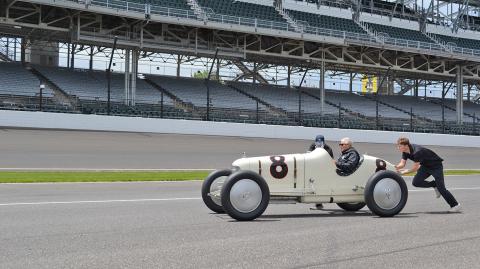
Mario Andretti in a vintage race car at IMS.


From 1912 racers to modern-era Indy cars, the IMS Museum's annual parade lap connects today's Indianapolis 500 to its earliest roots.

A big part of what makes the Indianapolis 500 so special is its many traditions, giving it a special flair that makes the Memorial Day weekend classic stand out not only against motorsports events, but all of the sporting world.

The traditions range from the pre-race pageantry—like the playing of "Taps" or Jim Cornelison's rousing rendition of "Back Home Again in Indiana"—to the on-track quirks that have carried on through several generations—the 11 rows of three, the blue and red pit wall signage, the famous "Yard of Bricks" that marks every 2.5-mile lap.

But one tradition combines both: a fleet of historic cars taking a parade lap around the track on race morning. Prepared by the Indianapolis Motor Speedway (IMS) Museum restoration team, the selected cars span nearly the full breadth of '500' history (this year's participants range from 1912 to 2010), as well as drivers from races past, connecting the race's modern-day grandeur with the foundation it's all built on.

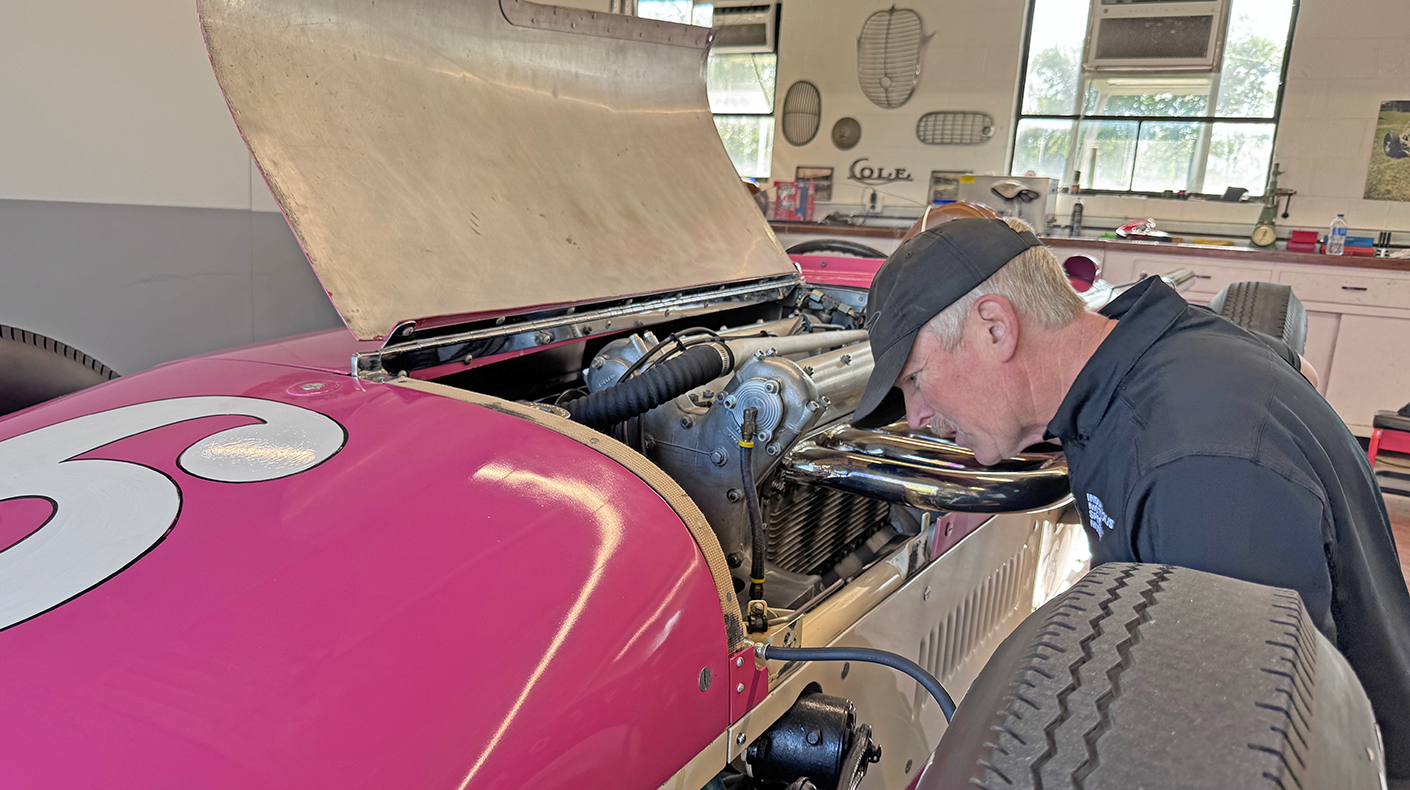
A mechanic working on a historic Indy car.


Image courtesy of IMS Museum


"The pre-race of the Indianapolis 500 is so steeped in tradition, and it means so much to the fans, so to be a part of it is a very special opportunity," said Jason Vansickle, vice president of curation and education. "Unlike other sporting events, not just races, you don't really see that connection to its past as you do with the Indianapolis 500."

To select the participating cars, museum staff first look at any anniversaries that coincide with that year's running, as well as the state of each car and whether it has run recently.

While a good chunk of the museum's collection can run—Vansickle says about about 80% of its vehicles are capable of firing up after a little preparation—it's an intensive, year-long process to make that connection to the past happen.

"We basically started on these cars right after last year's race," said Restoration Manager Dan Rosenau. "Every one of these cars has a can of worms in it, and it's just a matter of finding it early enough and being able to fix it."

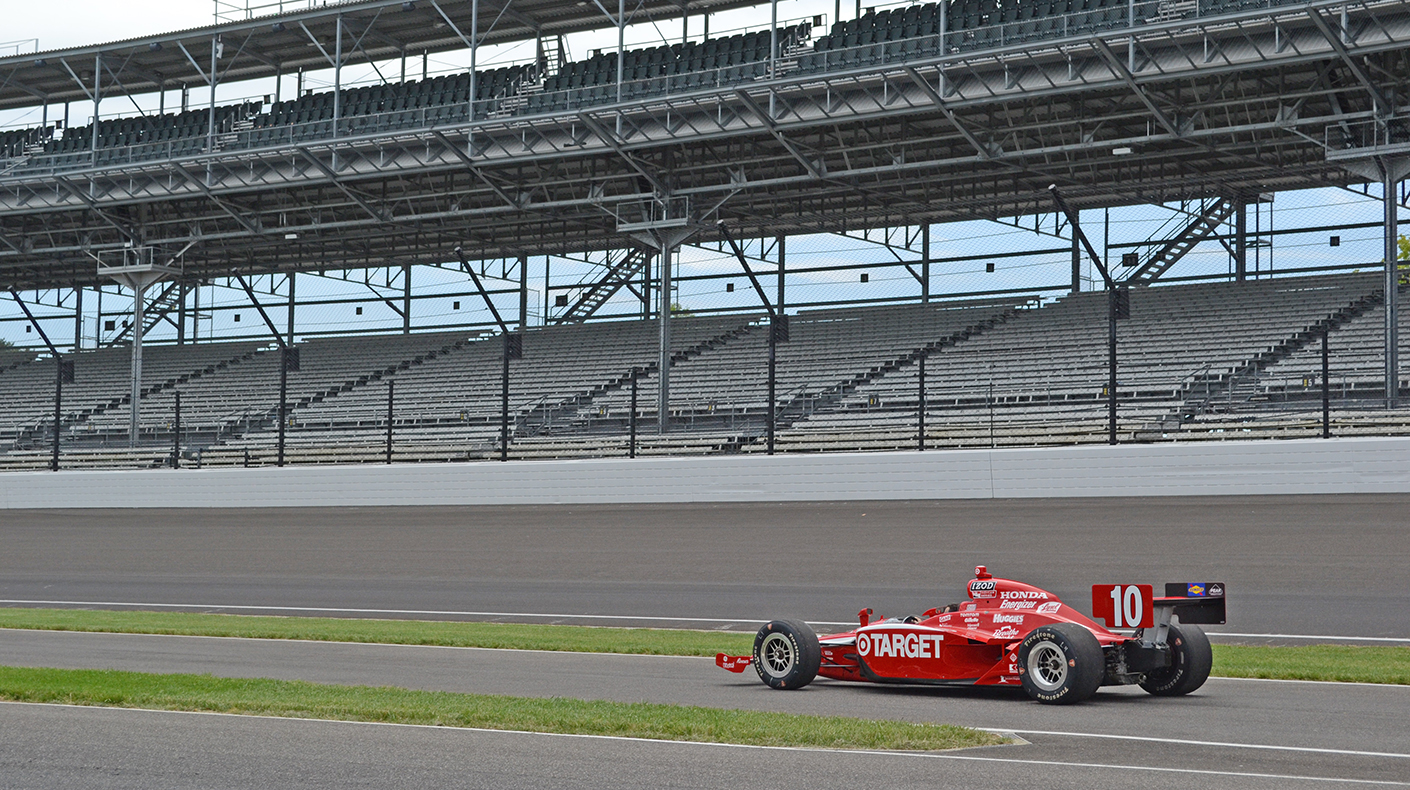
Dario Franchitti driving his 2010 Indycar.


Once the cars are selected, the museum's in-house restoration team completes a 30-page inspection report, documenting and rating every part and system on the car. And the problems they find are just as varied as the cars that take to the track.

Whether it's finding reproduction tires, swapping out a fuel cell or tracking down a 1930s fuel pump from an antique airplane parts supplier in Oklahoma, the IMS Museum restoration team is sometimes forced to go to great lengths to get the cars on track.

"We've got to source parts or make parts, and it all depends on the car and how old it is," Rosenau said. "You can't just run down to the Miller dealer and buy parts for your 1925 Miller race car."

And that's all before the cars hit the track.

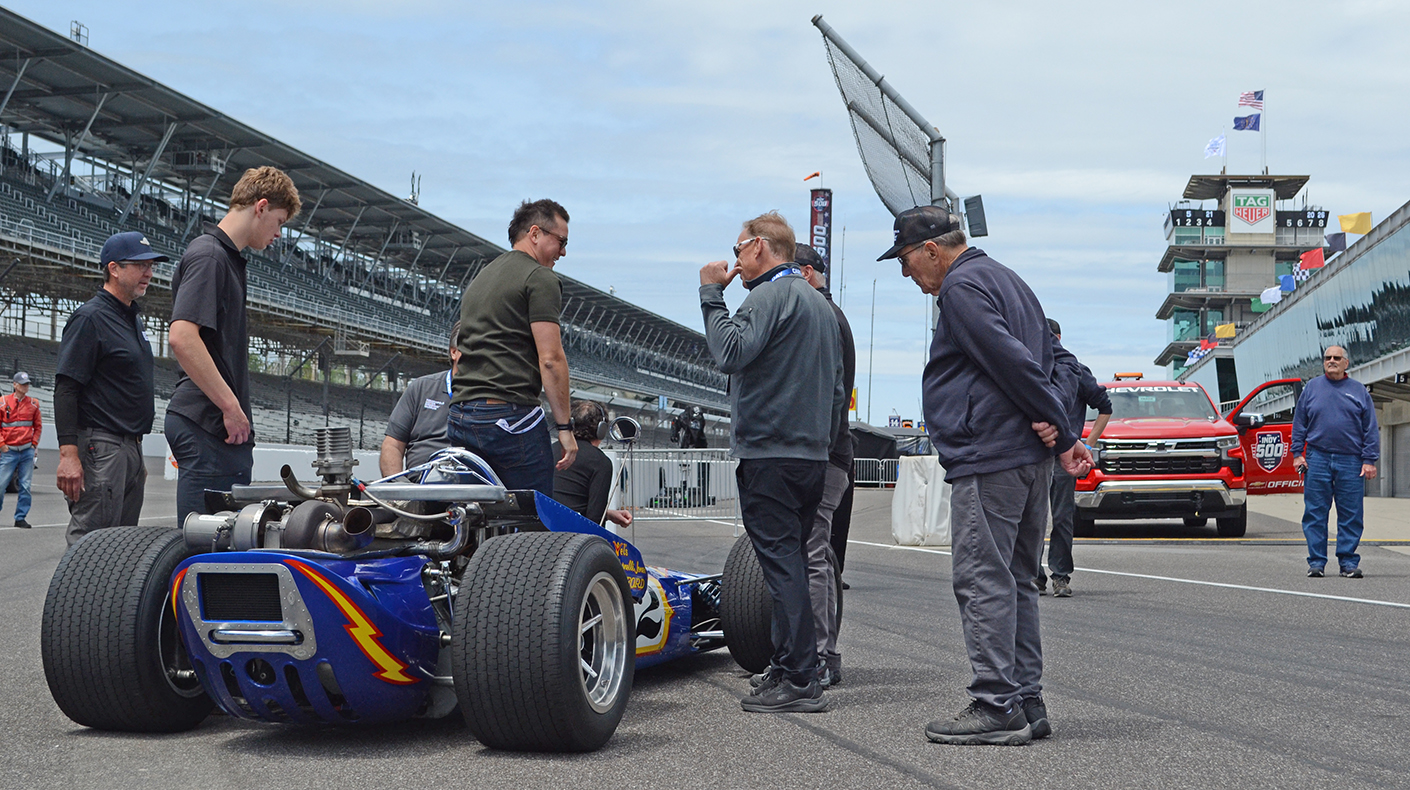
Museum staff debriefing with Sebastian Saavedra after testing a vintage indycar.


To iron out any kinks ahead of race day, the museum puts each car through its paces a few days before the main event, making sure everything is mechanically sound and that the driver is properly acquainted with their vehicle--some of which lack modern safety features or have outdated designs, like a center-mounted gas pedal.

One driver, however, was already pretty well acquainted with his car long before race day.

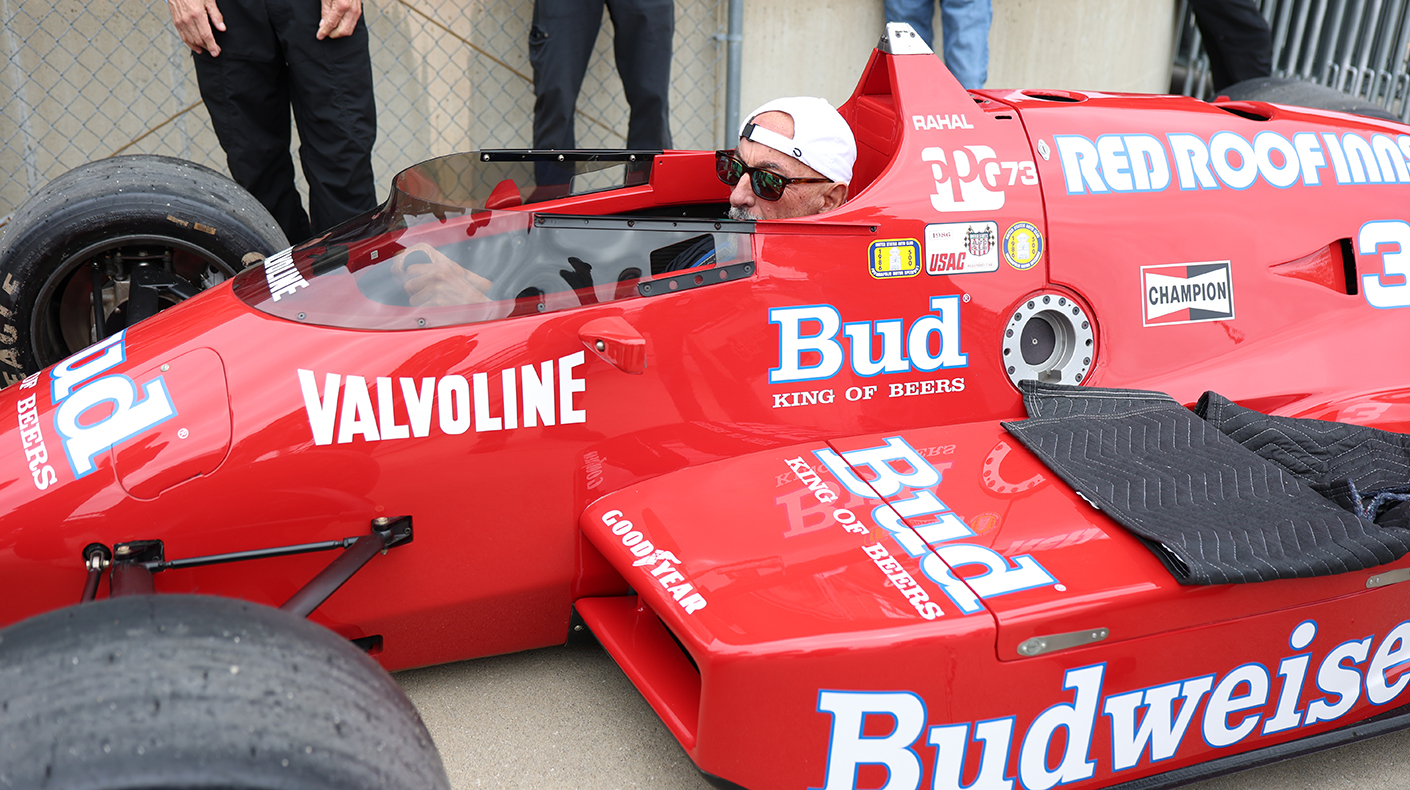
Celebrating the 40th anniversary of his Indianapolis 500 victory, Bobby Rahal participated in this year's parade lap and had the chance to hop back in the car that took him to victory lane in 1986.

"It feels like home. I'm really pleased to be able to get in it every now and then--especially here around the 500 weekend--and get to cruise around and relive some of the memories," Rahal said of his iconic, bright-red March 86C. "I think it's in the right place, being taken care of by the right people, and it's great to be able to share it with so many people."

Bobby Rahal in his 86C March Indycar.


Image courtesy of IMS Museum


Even though he's not in the cockpit, Rosenau—who had a long career in INDYCAR—is just as proud to play a role in bringing that moment to the fans on race day.

"When we watch our cars run on race day, you look up in the stands and you see people pointing at the cars, big smiles on their faces or telling a story to their kid about how that car ran when he was your age; it's very heartwarming, it's very encouraging," Rosenau said.

"I think we're doing a tremendous service to those people when they're sitting there in the grandstands, and they see the car go by that they remember from when they were sitting there with grandpa 40 years ago," he added. "If you're at all a car person or the 500 is a big part of your life, seeing something that you remember from your childhood, it's a big moment for these people."

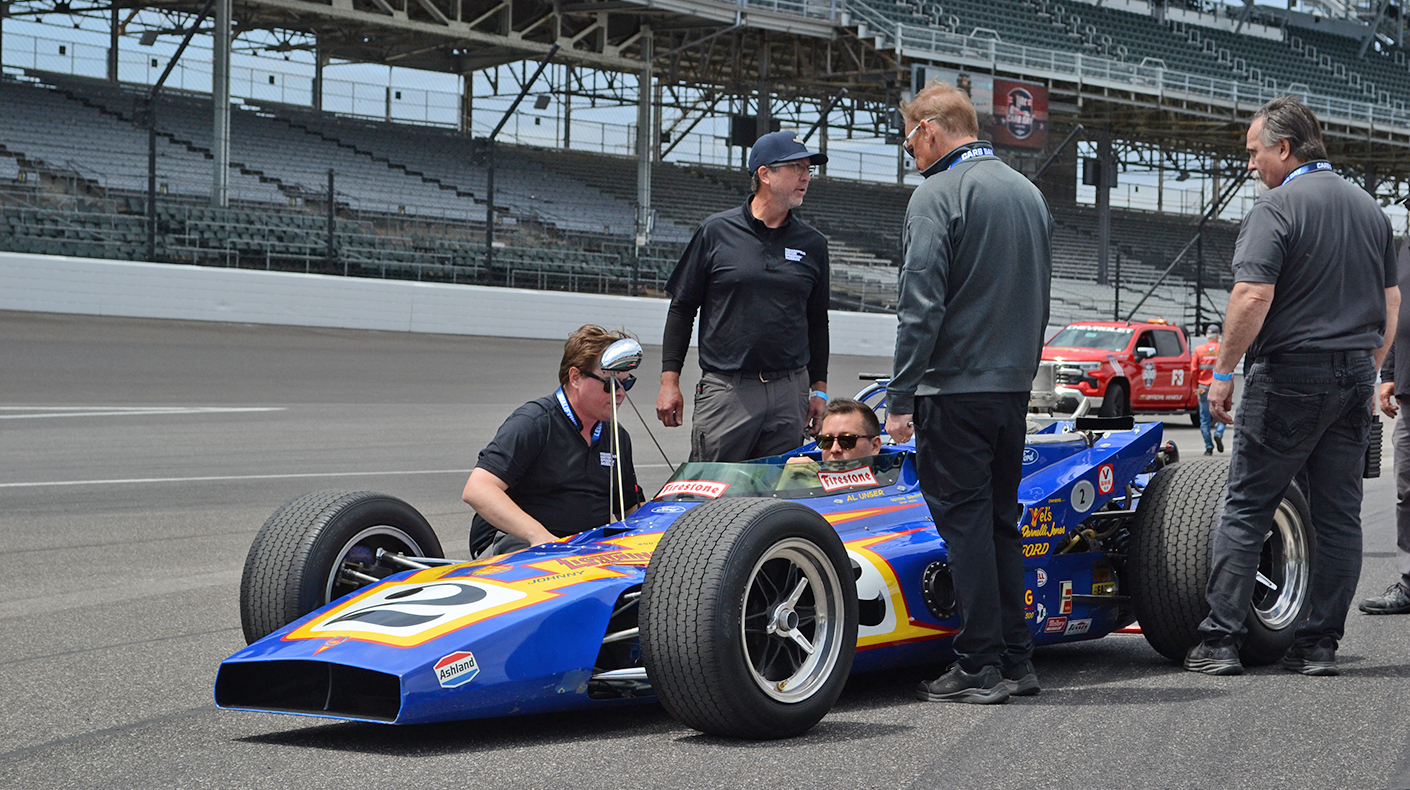
It's a big moment for the drivers, too, who sometimes have a connection to the vehicles they're driving before the race—like Rahal or Dario Franchitti and his 2010 Indianapolis 500-winning Target Chip Ganassi Dallara, which the museum acquired last year—or sometimes are just former drivers who will be at the race—like Sebastian Saavedra, who got to drive Al Unser Sr.'s 1,000-hp Johnny Lightning Special that dominated the 1970 Indianapolis 500.

The 1970 Johnny Lightning Special.


"When they come back, the drivers always have a massive smile on their face, especially if it's a driver that hasn't participated before," Vansickle said. "But even someone like Mario Andretti--who has participated in a variety of different cars over the years--it's still like seeing a little kid come down pit road."

For Vansickle, those reactions are part of what makes the parade laps such an important part of race morning—not just as a showcase of historic vehicles, but as a living, moving connection between generations of the Indianapolis 500.

"To get that intergenerational experience with these former cars, whether it be 10 years old or 110, I think is really special, and what makes the 500 so unique is that connection to the past," he added. "It's a special moment to be a steward of the history of the event."

For more information, visit imsmuseum.org.


May 2026
By
A.J. Hecht

PRI Business Member Benefit: UPS

Submitted by laurap on Tue, 05/26/2026 - 16:54
An image of the PRI Business Member logo overlaid asphalt background.


Reduce costs and keep deliveries moving efficiently with preferred pricing for shipping and logistics services for PRI Business Members.

PRI Members can save with preferred pricing for shipping and logistics services through UPS. Get started in the PRI Membership portal.

PRI Member Portal button

Not yet a PRI member? PRI Business Membership allows the racing community to showcase their passion and pride for the industry. By uniting the industry, PRI is actively working to address challenges and needs, such as providing support for racetracks to prevent them from closing, advocacy for the racing community against current legal threats, and educational programs that help businesses and racers succeed.

Learn more at performanceracing.com/membership.


PRI is not affiliated with, nor does it sell or thoroughly evaluate the products, services, and companies listed. PRI provides this information to PRI members for their evaluation and consideration and does not endorse or sponsor any company, product, or service. PRI takes no responsibility for, and makes no representation, warranty, or assurance as to the accuracy, quality, reliability, or completeness of the products or services offered.


Background image courtesy of Shutterstock


May 2026

The PRI Show Is an Opportunity You Can't Afford to Miss

Submitted by laurap on Tue, 05/26/2026 - 16:49
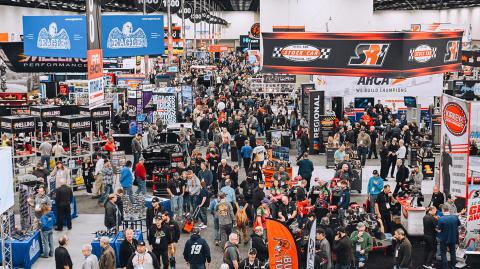
An image of the PRI Show floor.

The race to the PRI Show is underway! Exhibitors can secure their booth space now for the 2026 PRI Show, set for December 10-12, in downtown Indianapolis. 

A red button with the text RESERVE A BOOTH.


Motorsports professionals, including buyers and decision makers, from all 50 states and 35-plus countries come to the PRI Show to source new parts and products. Learn more about why to exhibit. 

How to Navigate the New Portal for PRI Show Exhibitors

PRI has launched a new customer management system powered by Salesforce to better serve its exhibitors year-round.  

Those who have not submitted the Exhibit Space Rental Application (ESRA) for the 2026 event must activate a new account in the system.

Once this one-time step is complete, exhibitors can secure their spot on the PRI Show floor, download invoices, complete online payments, and access free resources to plan a successful booth.

Getting set up in the new PRI Show exhibitor platform is simple:

  • Visit exhibitor.performanceracing.com. 
  • Returning exhibitors: Enter the email last used to purchase a PRI Show booth. A "password reset link" will be sent to your inbox. Click that link and create a new password.
  • New exhibitors or returning exhibitors using a new email: Click "New Exhibitor," and fill out the form to create a new account.


Note: Updating an account email address does not affect exhibitors' account history or PRI Show seniority.

Run into roadblocks? Contact the PRI Show team for support:


May 2026

Motorsports Engineering Symposium to Debut at 2026 PRI Show

Submitted by ajh on Tue, 05/26/2026 - 16:27
Logo for the PRI Motorsports Engineering Symposium


The new program will bring together race engineers, teams, manufacturers and emerging engineering talent in a working forum focused on real-world motorsports performance and innovation.
 

PRI will debut the PRI Motorsports Engineering Symposium, a one-day program taking place Thursday, December 10, during the 2026 PRI Show at the Indiana Convention Center and Lucas Oil Stadium. 

The program brings together race engineers, teams, manufacturers and emerging engineering talent in a working forum focused on real-world motorsports performance and innovation. Rather than a traditional seminar, the symposium emphasizes engineering challenges, performance solutions and cross-discipline collaboration, with a focus on how technical decisions translate directly to on-track performance. 

"The PRI Motorsports Engineering Symposium was created for engineers to learn, collaborate and network with motorsports industry professionals," said PRI Managing Director Doug Bresnahan. "At its core, motorsports is driven by engineering, and this program brings together the people solving real performance challenges every day. We are investing in the future of motorsports by expanding our focus on education, innovation and workforce development, strengthening PRI's role as the global hub for the industry." 

The PRI Motorsports Engineering Symposium is intended for race engineers, OEM engineering groups, manufacturers, performance suppliers, simulation and data companies, motorsports consultants and university engineering programs. 

"The industry has evolved, and the technical conversation needs a dedicated place to grow alongside it," said PRI Show Director Karin Davidson. "This program is about creating that space. It brings engineers, builders, and innovators together to share knowledge, challenge ideas, and move the industry forward. This is needed. PRI is creating a place for this conversation." 

Participants must be registered for the PRI Show and the Motorsports Engineering Symposium. There are no additional fees to attend the symposium. Registration for the PRI Show and the Symposium will open in July.  

The symposium further expands the PRI Show as the global leader for motorsports business networking, product innovation, industry education and professional trade relationships. 

Exhibit Booth Sales Open for 2026 PRI Show 

Scheduled for December 10-12 at the Indiana Convention Center and Lucas Oil Stadium, the PRI Show draws attendees from all 50 states and around the globe, including race teams, retailers, engine builders, fabricators, media and more.  

Attendee registration opens in July. To register, book hotel accommodations and learn more about the 2026 PRI Show, visit PRI2026.com/Attend.    

For additional information on how to participate in the PRI Motorsports Engineering Symposium, please contact PRI Director of Business Development and Marketing John Hyden, at johnh@performanceracing.com 

May 2026