 MEMBERSHIP LOGIN
Q&A: Future of Sportsman Racing With Owner Bill Bader
In recent weeks, uncertainty has surrounded the future of sportsman bracket racing. But one track owner is stepping up to help.
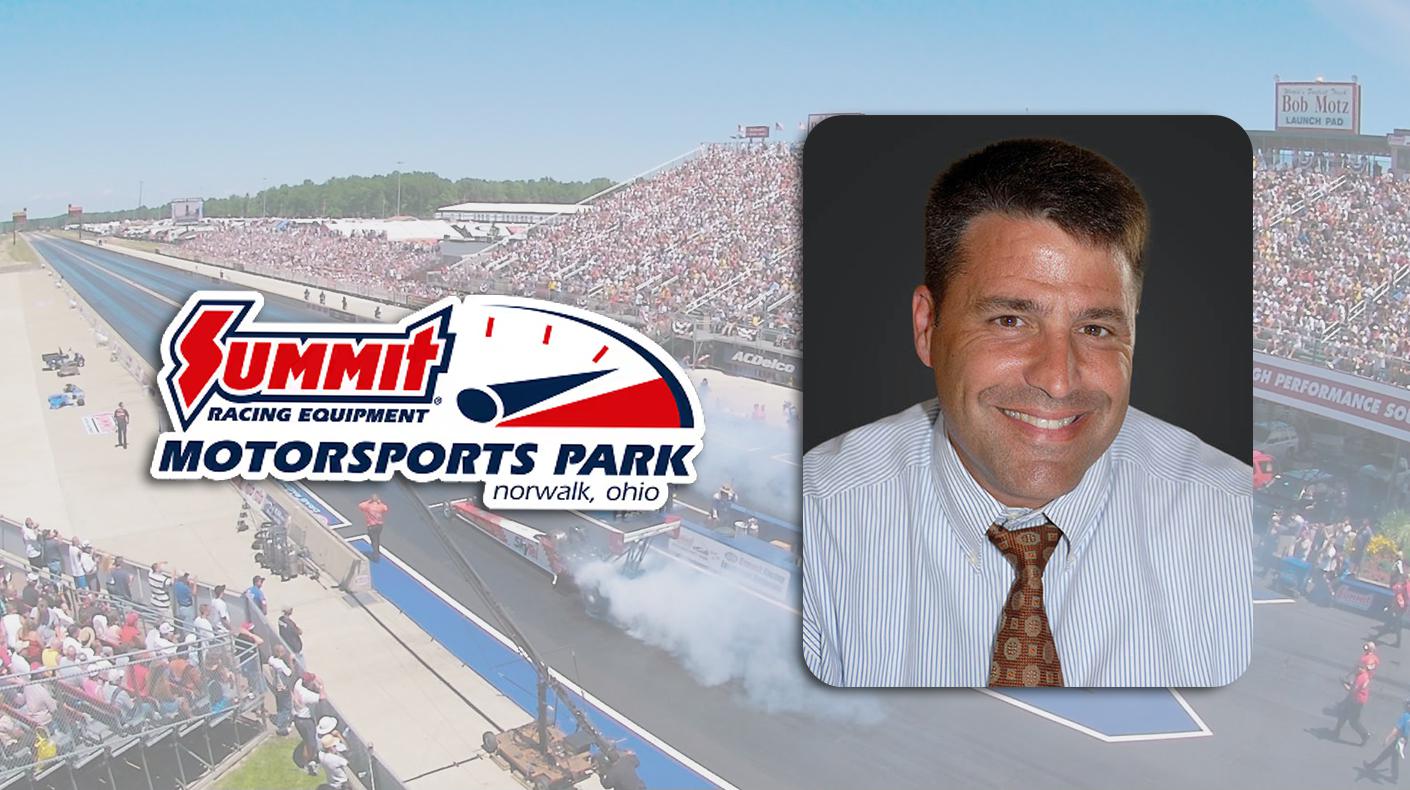
Earlier this month, Summit Motorsports Park Owner Bill Bader pledged to host the World Finals for International Hot Rod Association (IHRA) bracket racers following recent cancellations under the sanctioning body's umbrella. At press time, there have been no confirmed IHRA World Finals bracket racing cancellations, but Bader and Summit Motorsports Park are ready to step in if needed.
Designed to support Sportsman racers suddenly without a year-end event for the 2026 season, the World Finals—should the IHRA event be canceled—will have backing from numerous industry partners, including Summit Racing, Blueprint, Fuel Factory, PJH TrackBite and Cornwell Quality Tools, who have teamed up with the Norwalk, Ohio, facility to provide a $150,000 guaranteed purse for competitors, and FloSports, which will broadcast the event.
PRI News recently spoke with Bader to provide more context on how the event is taking shape, why his team at Summit Motorsports Park is producing the event and what supporting grassroots racing means for the wider industry. Read the full interview below:
PRI News: Why did it feel important that Summit Motorsports Park step in to host an event should the IHRA World Finals not take place?
Bill Bader: I think it was important because that's where we came from. In 1981, [Summit Motorsports Park] hosted our first IHRA national event. And my family used to own the IHRA. So, I didn't even really think about it; I just did it. I felt it was the right thing to do.
Grassroots racing is the foundation of our sport, and without it, we have no sport. So, to me, it was a promise fulfilled for these tracks and these racers who signed up for these end-of-the-year events, and it was very important to me that they happen.
PN: Summit Motorsports Park hosts the top-tier series in the drag racing world in the NHRA. Why is it so important for the track to show this level of support to the grassroots level of racing, too?
BB: Our weekly bracket program continues to this day to be a foundational block in our success. In 1973, when my father bought this track, we didn't have any of those marquee events. All we had was our weekly bracket program, and that was pretty sparse at that time. But we worked hard, we reinvested, we upgraded our facility, and kind of the "if you build it, they will come" scenario ended up playing out for my dad.
You always have to remember where you came from. And we came from the very thing we're hosting in October. We didn't come from national events and Night Under Fires and Blue Suede Cruises and all of these marquee events. We are Sportsman racing.
PN: How vital are tracks to the overall health of the motorsports ecosystem, and how are efforts like the Ohio Motorsports Network and Right-to-Race legislation serving all levels of racing?
BB: I think without what I call 'small-market racetracks'—and there are hundreds of them scattered across the United States and many in Canada—I think without those racetracks, we don't have drag racing. That's how strongly I feel about that. Every racetrack in every market, in every zip code, contributes. They're all contributing to the whole. And as those tracks go away, the whole shrinks; the whole becomes less healthy. So, to me, those tracks are drag racing.
If you think about it this way, going from the basement to the penthouse, the basement is your foundation. That's what everything sits on. And that's what bracket racing is. Bracket racing is our foundation. And without a foundation, a house will fall. And without bracket racing and hundreds of small-market racetracks, drag racing will fall.
PN: What does it say about the industry that multiple companies were willing to support the event? And what type of collaboration and conversations did it take to bring those companies together to provide a guaranteed purse?
BB: Summit Racing, Blueprint, Fuel Factory, PJH TrackBite—those were phone calls. No proposals, no documents, no contracts. They were phone calls, and those companies recognized the exact same thing that I and the industry recognize, and that is: this is important. Bracket racing is important. So those companies were put together in about 36 hours.
Editor's note: After the interview, two additional partners were confirmed for the event, including Cornwell Quality Tools as an event sponsor, and FloSports as the official broadcaster of the event.
PN: What lessons can track owners—and industry members—take from this situation?
BB: I think maybe it forced the industry to refocus some of its effort and energy. It certainly did for me. And so I think it was an exercise in refocusing and recalibrating on what is most important in our sport.
I don't know if this could have been foretold. It's unprecedented. It's not happened before, and to me, it's unlikely, based on the outcome, that it will happen again. But I think people need to be good stewards of the sport. And when you see these things start to take shape, you have to really examine what is best for the industry.
So, I think if this were to happen again, I think people would approach it far more cautiously than what they did the first go-around.
For more information, visit summitmotorsportspark.com.