 MEMBERSHIP LOGIN
Industry Insights: Pam Miller
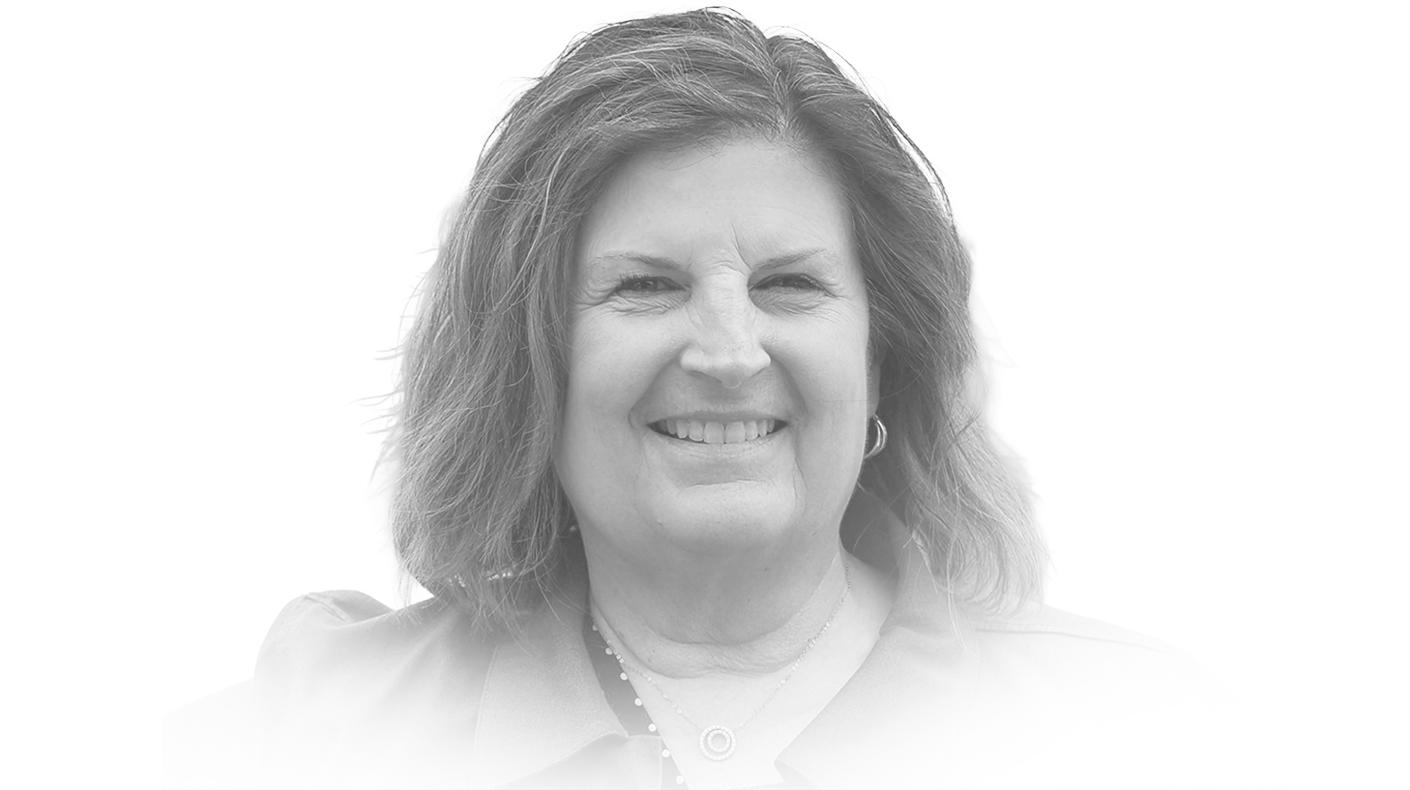
Pam Miller has always been a sports fan, but the self-described "stick-and-ball" person is now the producer of INDYCAR coverage for the FOX Sports network. She's also an accomplished and award-winning producer of documentaries about women in racing. Her coverage includes biographies of Betty Skelton, Paula Murphy, and Shirley Muldowney, as well as documenting the revivals of Winchester and North Wilkesboro Speedways. The list of awards for each program is impressive.
Yet even after all that success, Miller remains a learner and a seeker, looking for new ways to convey the personal side of racing. Calling the drivers heroes, she strives to tell their stories on and off the track, to humanize the people putting their lives on the line to win a big race. It's that human aspect that allows fans to identify with and develop a deep attachment to the people in the sport. We caught up with Miller as she was arriving in St. Petersburg, Florida, for the kickoff of the 2026 NTT INDYCAR Series.
PRI: To begin with, can you tell us what a TV producer does? What do your workdays look like?
Miller: It's a little bit of everything. There's the creative side, or what the storylines are going to be for the week or for the year, depending on what time of year it is. There's working with the director on equipment and camera placements, and working with the on-screen talent on storylines. Then there's what type of creative features we're going to do with our graphics people, meaning what's going to be designed and how we're going to design it. I have my fingers in every bit of every corner of the telecast and the INDYCAR property, whether it's communication with the league, communication with teams, communication with drivers, talent, other leagues, you name it. It's pretty much all-encompassing. And it never stops.
The season may stop, but you're always working toward the next season or the next Indy 500. I love it; it's a lot of fun. But we've got a lot of things going on at one time, and then during the live event, I'm responsible for working with the director to put the show together. We decide what features are going in, how the coverage moves, what on-track battles we put on the air, how the show flows, getting your commercials in. We make decisions on when you roll in tape, when you go to commercial, when you come back from the break, what you're going to do, what you're going to follow up on. We do all kinds of things live. Those are all split-second decisions.
Then we do the postmortem afterwards, where we're reviewing the tape, we're seeing areas that we want to improve on, places we maybe want to change cameras, or how the next week is going to progress. We look at the storylines that were created from the week before, and we're constantly looking for story arcs, whether it's season-long or within the race. We look for personal story arcs for each team or each driver. It's a full-time, all-encompassing rhythm once we're in the season.
PRI: How did you get to this job? What was your career path?
Miller: Growing up, I always seemed to be participating in, or watching, or enjoying sports. Sports have always been part of my family life, and I was always interested in writing or putting together plays for my friends and family. I would make them all participate! I did a lot of things as a kid that I didn't really understand were correlated to things I would do in the future.
In college, I realized that TV work could become a possibility, so I dove in and went to college in upstate New York, but I never really thought I would get into racing. I was stick-and-ball because I understood football and baseball. I produced a lot of those sports when I ended up at ESPN after college. I worked for a gentleman named Terry Lingner, who was in charge of racing, but I was actually working on NHL hockey and football.
Then one day we lost the NHL property. I had never been through that before, but Terry had some very sage advice and an opportunity. He said, "I know you would love to produce a live event." He told me that at that point in time—and this was a long time ago—the opportunity for a woman to produce a live sporting event at ESPN was going to be pretty slim. However, motorsports might be a way for me to get that opportunity, and would I consider going up to Watkins Glen to watch the NASCAR race. I said, "Sure, why not? I don't know where the oil goes in my own car, but I'll go up there." His advice was spot-on. Within a year and a half, I was on the road producing Formula 1 and working on all the motorsports properties across the board. That was some of the best advice I ever got, so I took a chance and pivoted and learned. It was brand new and out of my comfort zone, and here we are now.
PRI: Somebody out there is going to read this interview and think, "I would love to have her job." What advice would you give a young person today about going into sports TV?
To read the full article, plus hundreds of other articles like it for free, sign up for a digital subscription to PRI Magazine on Zinio here.
Once you download the Zinio mobile app or are logged into Zinio on a desktop browser, you will gain immediate access to more than a year's worth of content, including "Industry Insights: Pam Miller" here and additional coverage in the May/June 2026 issue here.