MEMBERSHIP LOGIN

Not All Bolts Are Created Equal: Choosing the Right Fastener
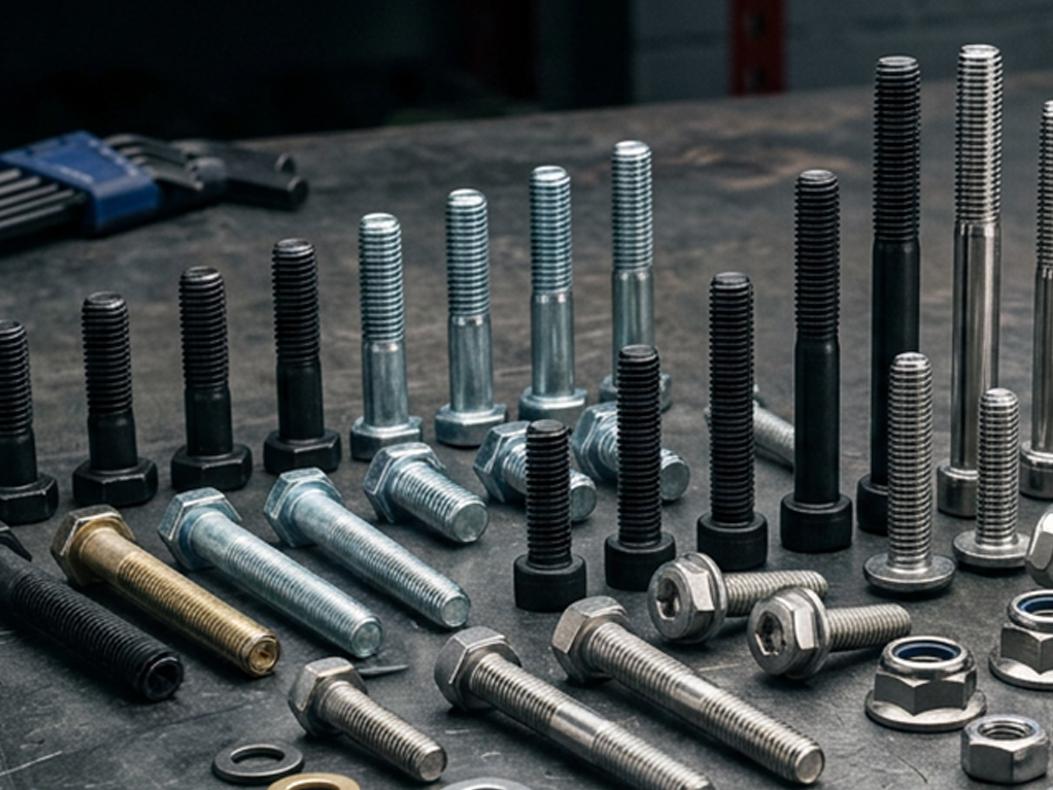
Choosing the right fastener starts with understanding the application and the hardware specifications required.
A fastener may be one of the smallest components in a project, but it can play a major role in the reliability of the finished product. Whether you're working on a performance vehicle, fabricating components, maintaining equipment or managing a professional shop, choosing the right hardware requires more than finding a bolt that fits.
With thousands of fastener options available, understanding the differences between materials, grades, threads, sizes and configurations can make the selection process much easier.
The Application Comes First
Before selecting a fastener, consider what the connection is being asked to do.
Different applications can expose hardware to vibration, heat, moisture, repeated loading and corrosion. A fastener that works well in one environment may not be the right choice for another.
The goal isn't simply to choose the strongest or most expensive fastener available. It's to select hardware that matches the requirements of the application.
Material, Grade and Threads Matter
Fasteners are available in a variety of materials and grades, each offering different characteristics.
Alloy steel fasteners are commonly used when strength is a primary consideration, while stainless steel is often selected when corrosion resistance is important. Within those materials, different grades can provide different strength and performance characteristics.
Thread size and pitch are equally important. Matching the diameter alone isn't enough. The fastener must also properly match the corresponding nut or threaded component.
Coarse and fine threads each have applications where they can be appropriate. When replacing an existing fastener, verifying both diameter and thread pitch can help prevent damaged threads or an improperly secured connection.
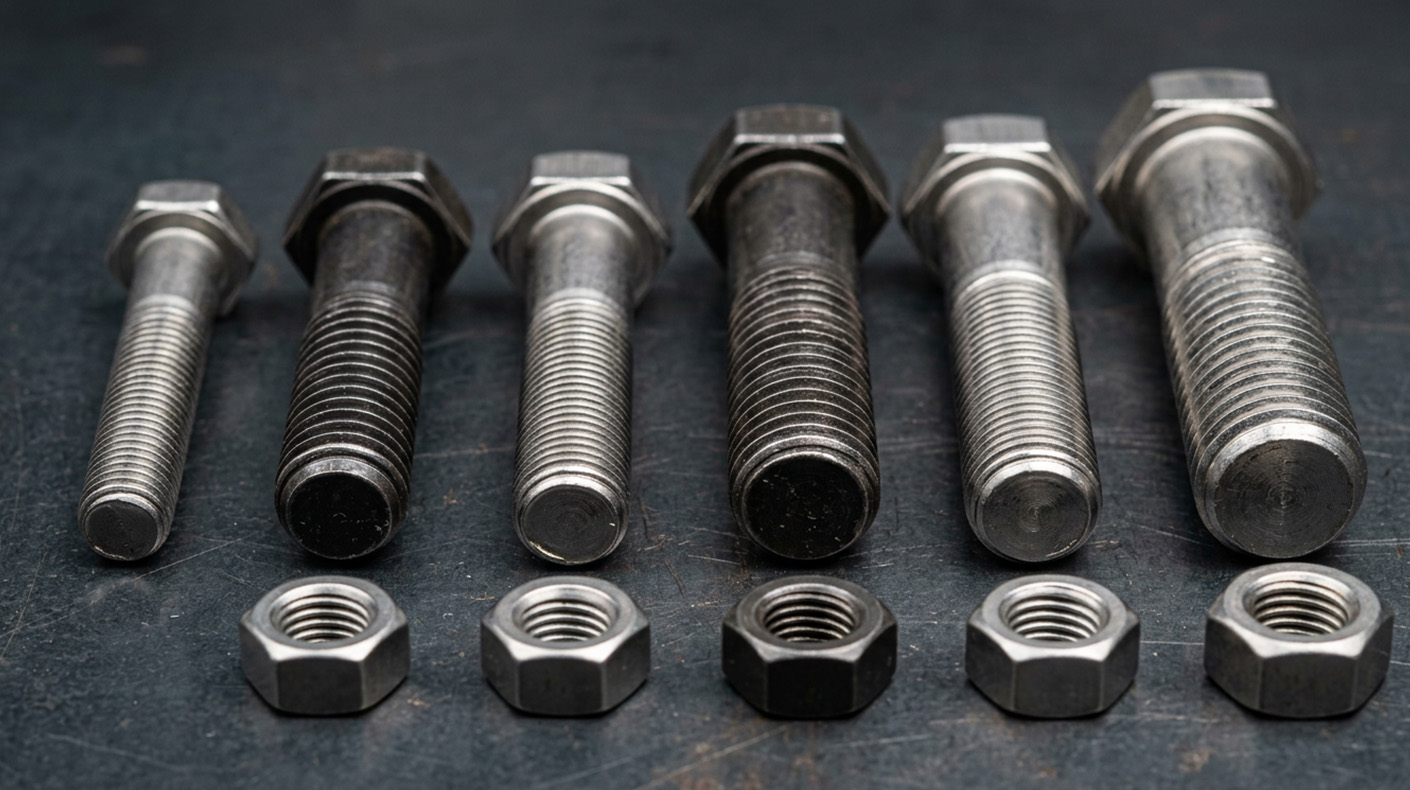
Diameter and thread pitch are both important when selecting the correct replacement hardware. Don't Overlook Size and Configuration.
Length is another specification that can have a significant impact on a fastener's performance.
A bolt needs adequate thread engagement to properly secure a connection, while excessive length can create clearance issues or interfere with surrounding components. The appropriate length depends on the materials being joined, the type of nut or threaded component being used and the requirements of the application.
Head style can also make a difference. Hex, socket head, button head and flange head fasteners can each provide advantages depending on accessibility, clearance and installation requirements.
The same principle applies to the rest of the assembly. Nuts, washers and locking hardware all contribute to how a connection performs. Selecting the right components together is often more effective than treating the bolt as an individual part.
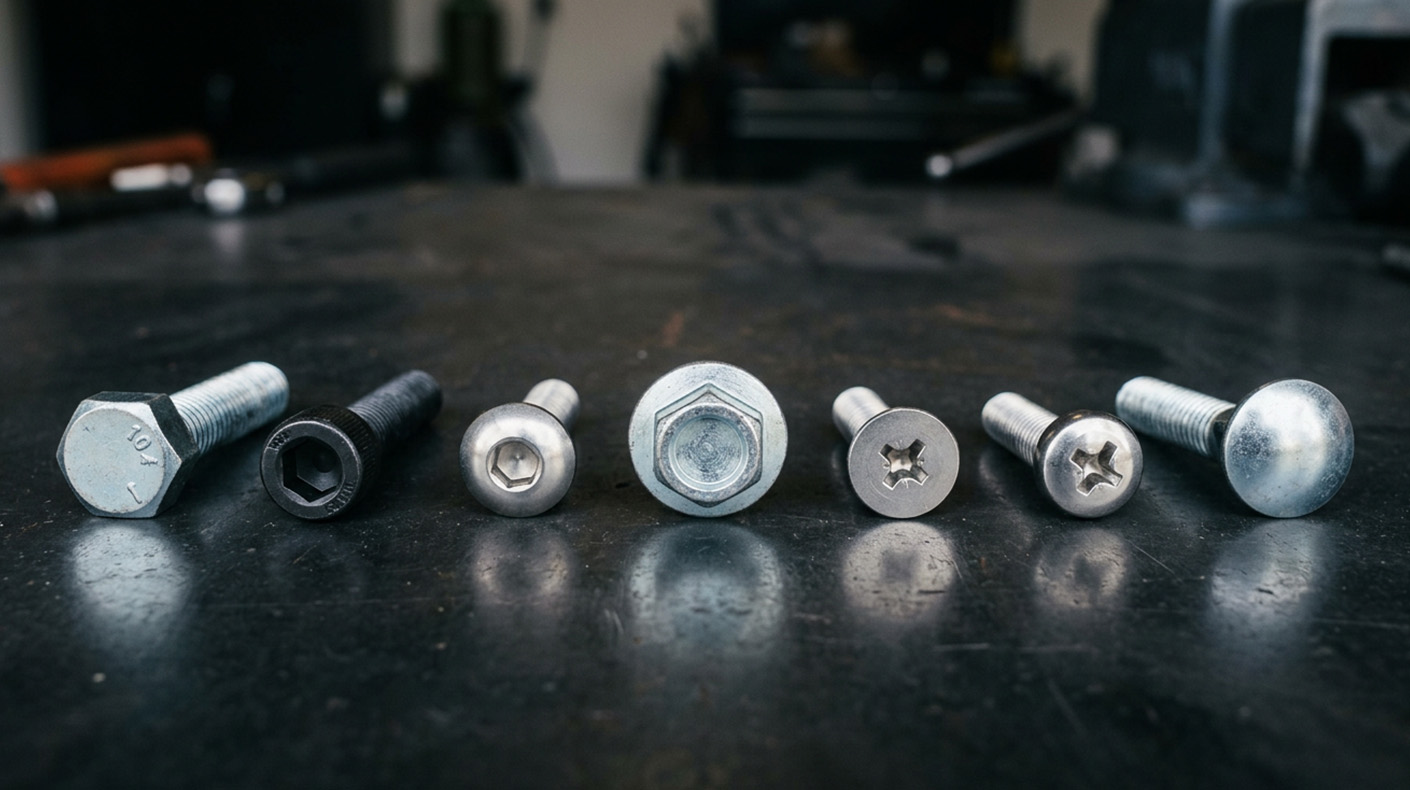
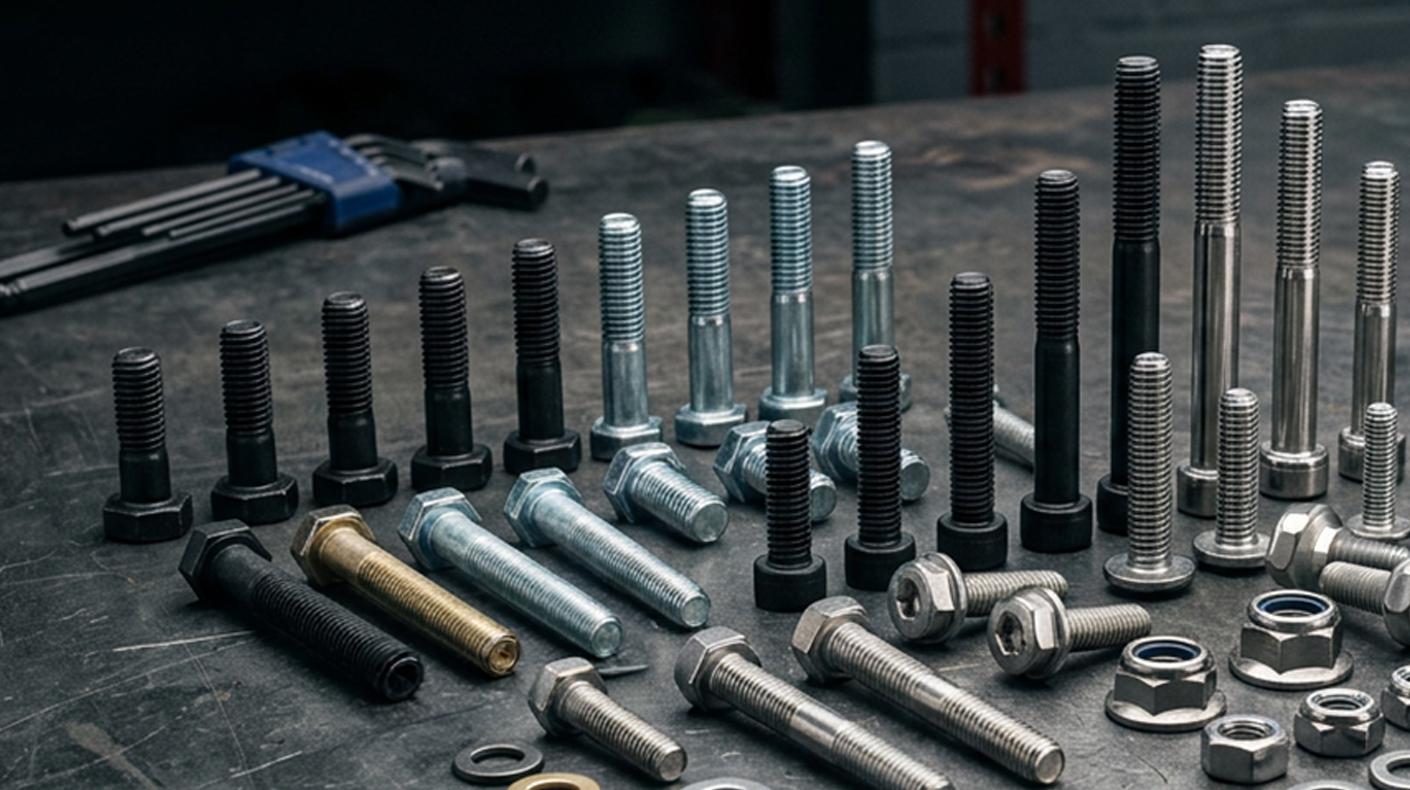
Different fastener styles can provide advantages depending on accessibility, clearance and application requirements.
The Right Hardware Should Be Easy to Find
For professional shops and businesses, having the right hardware available is only half the battle. Being able to find it quickly can be just as important.
Mixed containers of bolts, nuts and washers can turn a simple repair into a time-consuming search. Clearly labeled drawers, bins and assortments make it easier to identify the correct hardware and keep commonly used components readily available.
Organized hardware can also make repeat ordering easier, particularly for businesses that regularly work with multiple sizes, thread pitches and fastener types.
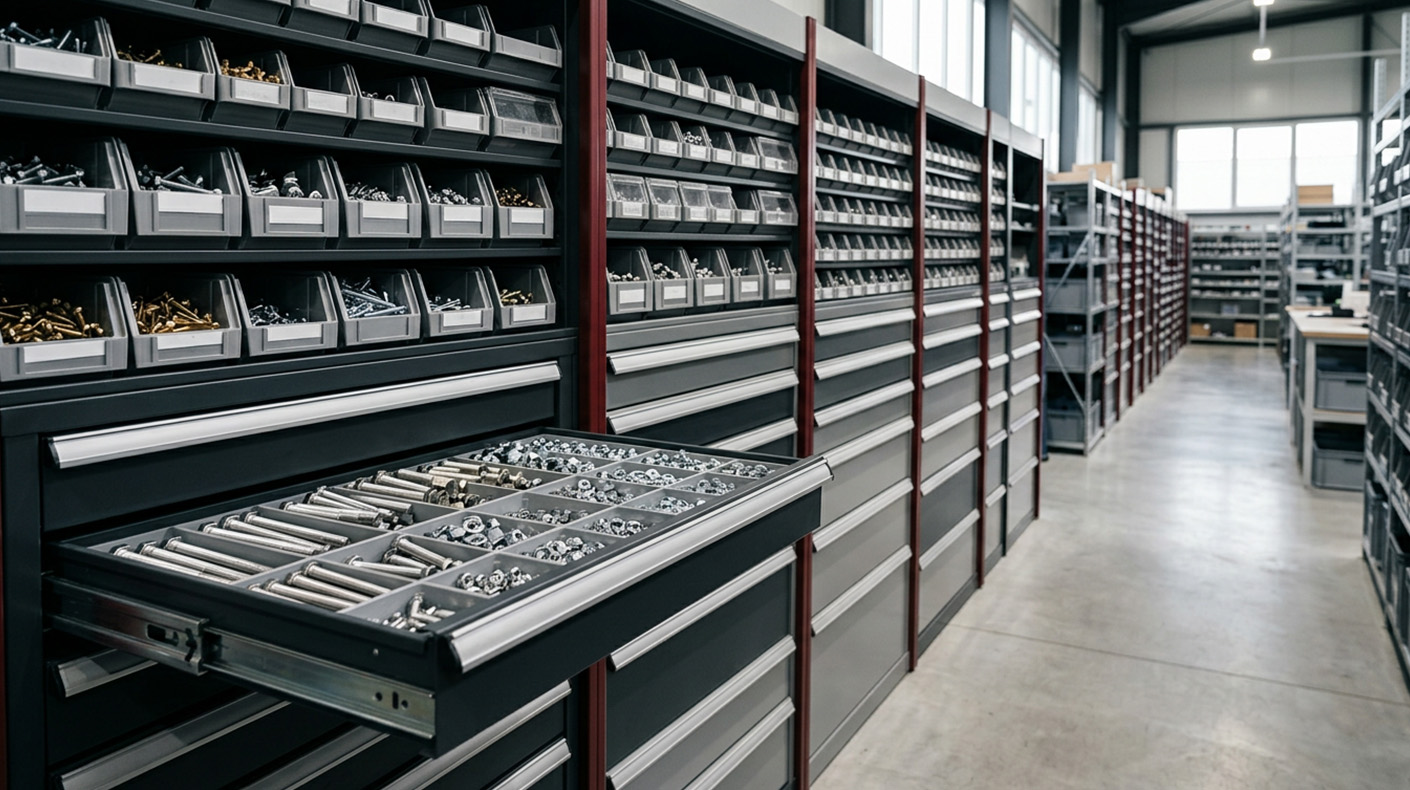
Organized hardware helps professionals quickly find the right fastener when they need it. Organized hardware can also make repeat ordering easier, particularly for businesses that regularly work with multiple sizes, thread pitches and fastener types.
More Than Just a Fastener Supplier
For many businesses, finding the right fastener is only the beginning. The bigger challenge can be managing purchasing, processing, packaging and reordering as hardware needs grow.
BoltsandNuts.com offers services designed around those needs. B&N Pro helps repeat buyers simplify reordering with member savings, QR-coded bin labels and an optional tablet and Bluetooth scanner system designed for faster bulk ordering and inventory workflows.
For larger-volume customers, bulk ordering provides volume pricing, confirmed stock and lead times, with options including scheduled releases and blanket orders for recurring needs.
B&N also provides custom kitting and packaging, from sourcing components through sorting, counting, assembly, labeling and packaging. Customers can have B&N source the components, provide their own parts, or combine the two approaches.
For applications that require additional processing, B&N offers fastener finishing and secondary processing, including plating, coatings and pre-applied nylon locking patches. Customers can have B&N supply the fasteners and finish them through the same process, creating one source for the hardware and its required finishing.
From individual fasteners to bulk production orders, custom kits and finished hardware, BoltsandNuts.com is built to help businesses source, manage and prepare the hardware they rely on.
Learn more at BoltsandNuts.com.