 MEMBERSHIP LOGIN
 JOIN PRI
President Trump Removes Canadian, Mexican Metal Tariffs And Delays Tariffs On Autos, Part Imports
Image
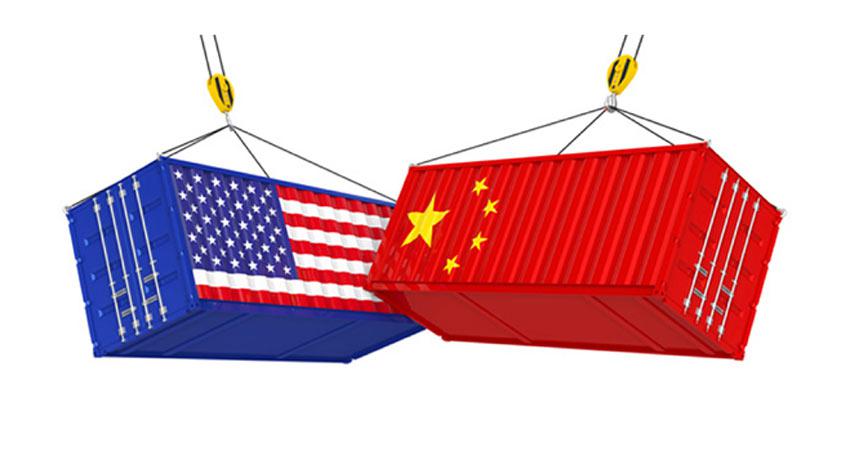
The United States has reached an agreement with Canada and Mexico to exempt those countries from tariffs on imports of steel and aluminum as of May 20. The US has imposed global tariffs on steel (25%) and aluminum (10%) under the authority of Section 232 of US trade law (national security).
Most of the tariffs began on June 1, 2018. Only Argentina, Australia, Brazil and South Korea had trade agreements exempting them from the tariffs. The tariffs apply to processed raw materials (steel/aluminum plate, sheets, bars, etc.) but not finished products (e.g., wheels, exhausts, etc.).
In 2017–2018, the US Department of Commerce (DOC) investigated whether potential US dependence on foreign steel and aluminum posed a threat to national security. The DOC cited excess global production, which had reduced prices and resulted in the closure of many US factories. At the time, US steel mills were operating at 73% of capacity and more than half of US aluminum capacity lied dormant, with imports accounting for 90% of US aluminum consumption. Since the tariffs had been imposed, US domestic steel production is now over the goal of 80% capacity although aluminum production still lags.
The agreement to exempt Canada and Mexico from the metal tariffs will boost prospects for ratification by the US Congress of the US-Mexico-Canada Agreement (USMCA), which will replace the NAFTA accord. Under the agreement, the US may reimpose tariffs on steel or aluminum if there is a meaningful surge in imports.
In related news, President Trump is giving US negotiators six months to reach agreements with the European Union (EU) and Japan before reassessing the imposition of tariffs on imported automobiles and parts. A year ago, President Trump directed the US Department of Commerce (DOC) to investigate whether imported automobiles and auto parts pose a threat to America’s national security under Section 232 of US trade law. The DOC sent its findings and recommendations to President Trump on February 17, 2019, which have not been made public. On May 18, 2019, the President announced that he had postponed the decision for 180 days, until mid-November.
The DOC investigation applies to all types of cars and parts, including new cars, classic cars, OEM parts and specialty auto parts. The move could affect all US automakers and parts suppliers that use imported components, as well as importers of cars, trucks and SUVs. President Trump has discussed the potential imposition of 20%–25% tariffs.
In delaying the tariffs, President Trump issued a proclamation that cites findings from the DOC report, which notes concern about increases in the volume of automobile and auto parts imports over the past three decades, along with unease about foreign markets, such as the EU and Japan, which have imposed significant barriers to US automotive exports.
The report found that, if continued, the contraction of the American-owned automotive industry “will significantly impede the United States’ ability to develop technologically advanced products that are essential to our ability to maintain technological superiority to meet defense requirements and cost-effective global power projection.”
President Trump directed the US Trade Representative to pursue negotiations with the EU, Japan and other countries to address the issue. Mexico, Canada and South Korea are exempt from the potential threat of tariffs because of free-trade agreements already negotiated.
For more information, contact SEMA's Stuart Gosswein at stuartg@sema.org.
Image courtesy of Auto Car Association
Most of the tariffs began on June 1, 2018. Only Argentina, Australia, Brazil and South Korea had trade agreements exempting them from the tariffs. The tariffs apply to processed raw materials (steel/aluminum plate, sheets, bars, etc.) but not finished products (e.g., wheels, exhausts, etc.).
In 2017–2018, the US Department of Commerce (DOC) investigated whether potential US dependence on foreign steel and aluminum posed a threat to national security. The DOC cited excess global production, which had reduced prices and resulted in the closure of many US factories. At the time, US steel mills were operating at 73% of capacity and more than half of US aluminum capacity lied dormant, with imports accounting for 90% of US aluminum consumption. Since the tariffs had been imposed, US domestic steel production is now over the goal of 80% capacity although aluminum production still lags.
The agreement to exempt Canada and Mexico from the metal tariffs will boost prospects for ratification by the US Congress of the US-Mexico-Canada Agreement (USMCA), which will replace the NAFTA accord. Under the agreement, the US may reimpose tariffs on steel or aluminum if there is a meaningful surge in imports.
In related news, President Trump is giving US negotiators six months to reach agreements with the European Union (EU) and Japan before reassessing the imposition of tariffs on imported automobiles and parts. A year ago, President Trump directed the US Department of Commerce (DOC) to investigate whether imported automobiles and auto parts pose a threat to America’s national security under Section 232 of US trade law. The DOC sent its findings and recommendations to President Trump on February 17, 2019, which have not been made public. On May 18, 2019, the President announced that he had postponed the decision for 180 days, until mid-November.
The DOC investigation applies to all types of cars and parts, including new cars, classic cars, OEM parts and specialty auto parts. The move could affect all US automakers and parts suppliers that use imported components, as well as importers of cars, trucks and SUVs. President Trump has discussed the potential imposition of 20%–25% tariffs.
In delaying the tariffs, President Trump issued a proclamation that cites findings from the DOC report, which notes concern about increases in the volume of automobile and auto parts imports over the past three decades, along with unease about foreign markets, such as the EU and Japan, which have imposed significant barriers to US automotive exports.
The report found that, if continued, the contraction of the American-owned automotive industry “will significantly impede the United States’ ability to develop technologically advanced products that are essential to our ability to maintain technological superiority to meet defense requirements and cost-effective global power projection.”
President Trump directed the US Trade Representative to pursue negotiations with the EU, Japan and other countries to address the issue. Mexico, Canada and South Korea are exempt from the potential threat of tariffs because of free-trade agreements already negotiated.
For more information, contact SEMA's Stuart Gosswein at stuartg@sema.org.
Image courtesy of Auto Car Association