 MEMBERSHIP LOGIN
 JOIN PRI
Inside the 2026 MPMC Media Trade Conference
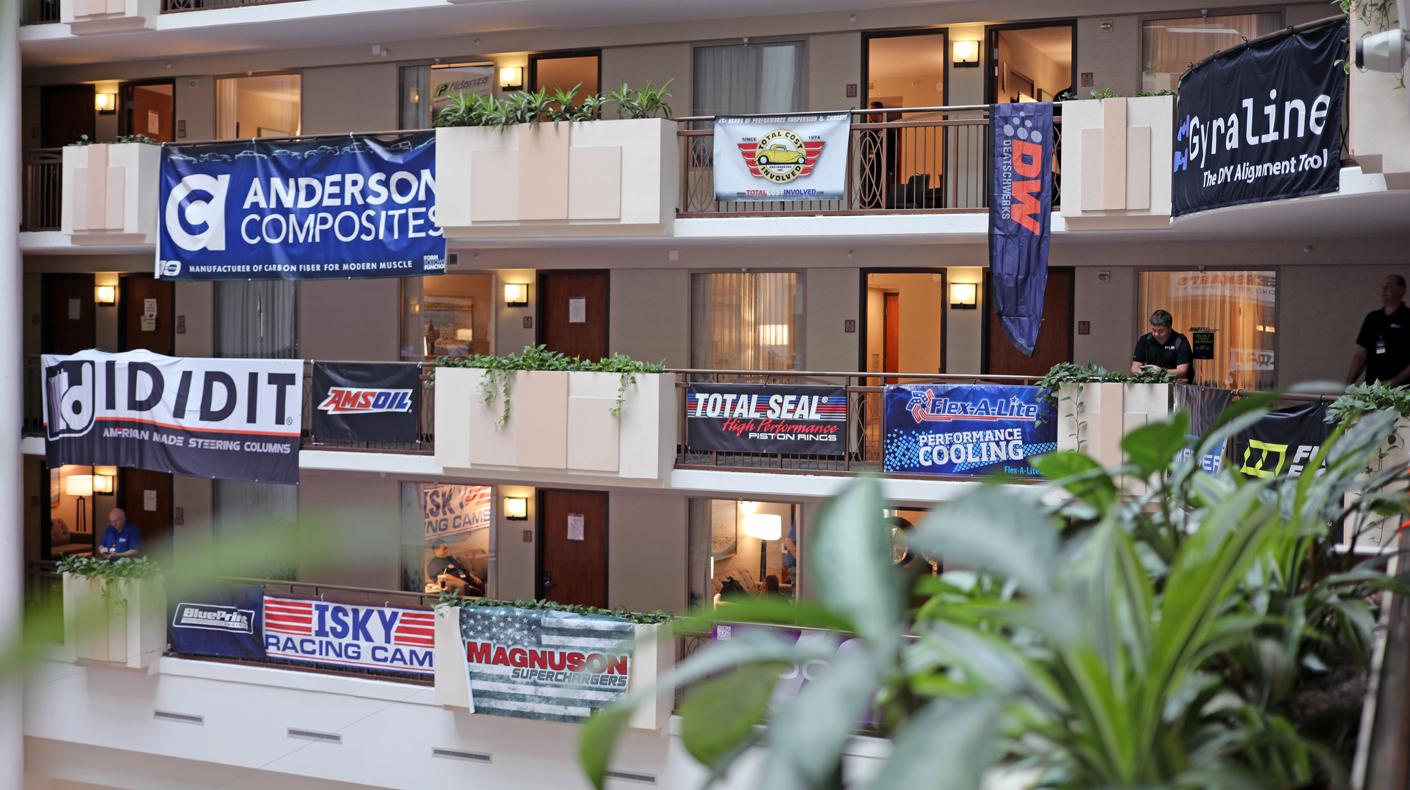
With the potential for more than 40 private face-to-face meetings across three days, the Media Trade Conference is the industry's most efficient, effective and affordable way for media members to find out exactly what's new--and what's on the way--from top motorsports parts manufacturers. Located across four floors of hotel space, it's a practice of perfect efficiency, only matched by the winningest of race teams.
“The Media Trade Conference is a high-ROI show for us,” said Gabe Flores of Classic Industries.
This year in Garden Grove, California, SEMA and PRI editorial teams were once again on hand, finding the pulse of the motorsports and high-performance aftermarket to see what's changing, what's working and what's coming next.
New-for-2026: MPMC Rebrands as the Industry Shifts
Among the big shifts discussed this year was the new rebranding of the Motorsports Products & Media Council (MPMC). Formerly known as the Motorsports Parts Manufacturers Council, the newly rebranded MPMC reflects one of the most consistent themes heard throughout the week: closer collaboration between manufacturers and media is no longer optional, but essential, for good business.
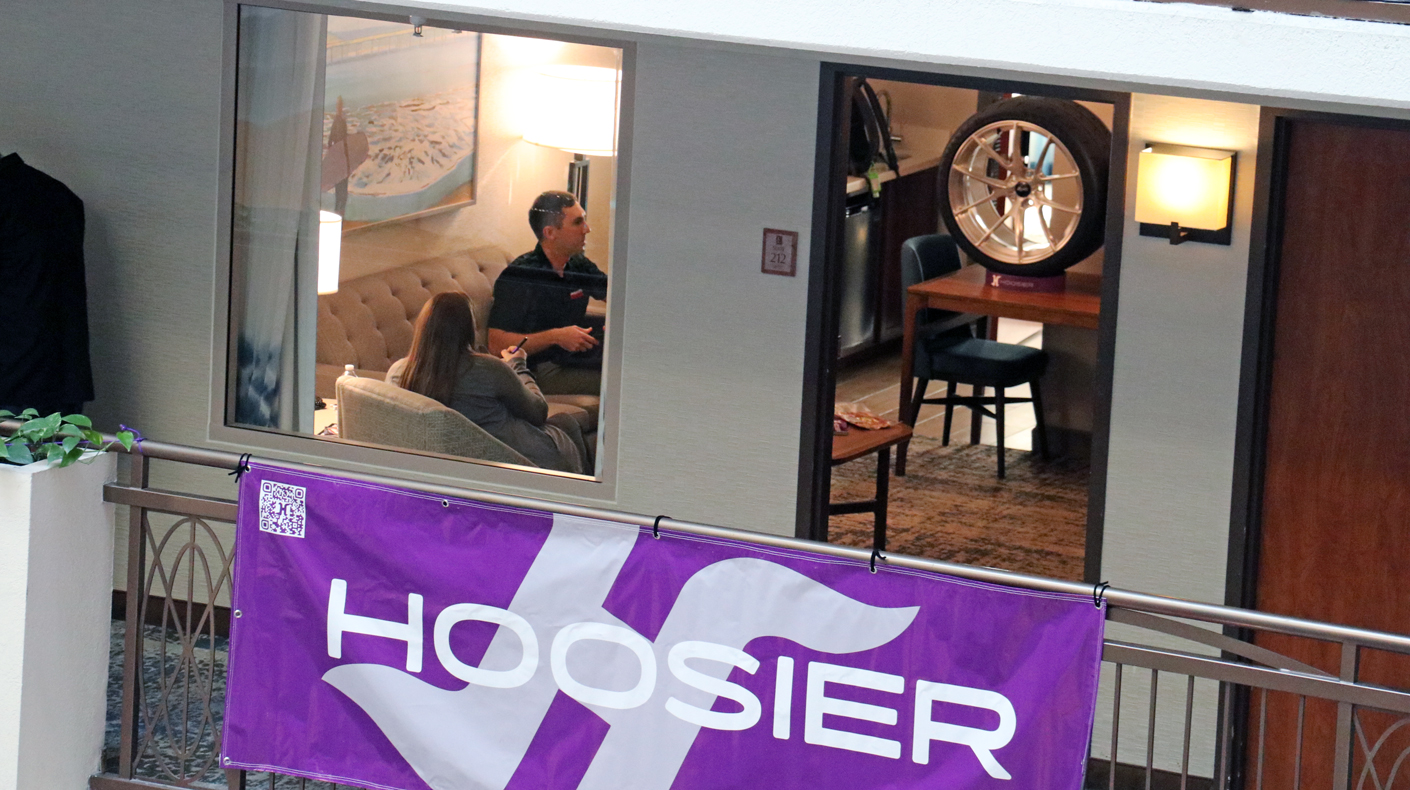
This ties directly into the increased importance of working with content creators, something MPMC embraced a few years ago by opening event registration to non-traditional outlets like influencers.
"Our conversations with content creators are quality this year. We're learning what's working for them online. We also thought they'd be more rigid, but a lot of them are willing to work with us on different projects," said Jason Weidmann of The Wheel Group.
"The MPMC Media Trade Conference this year is bringing good, quality conversations. Content creators and enthusiasts bring a good layer to the event," said Ross Berlanga of TMI Products.
What Brands Are Talking About
Brands including Summit Racing, the retailer and wholesaler, are realizing these new-age media members can be viewed as a genuine business tool, rather than a promotional gimmick.
"Our affiliate program is one of our biggest pushes right now. This gives content creators the opportunity to earn revenue while the Summit brand gets reach. [Some of the brands we sell] have actually asked us to start this program," said David Fuller of Summit Racing.
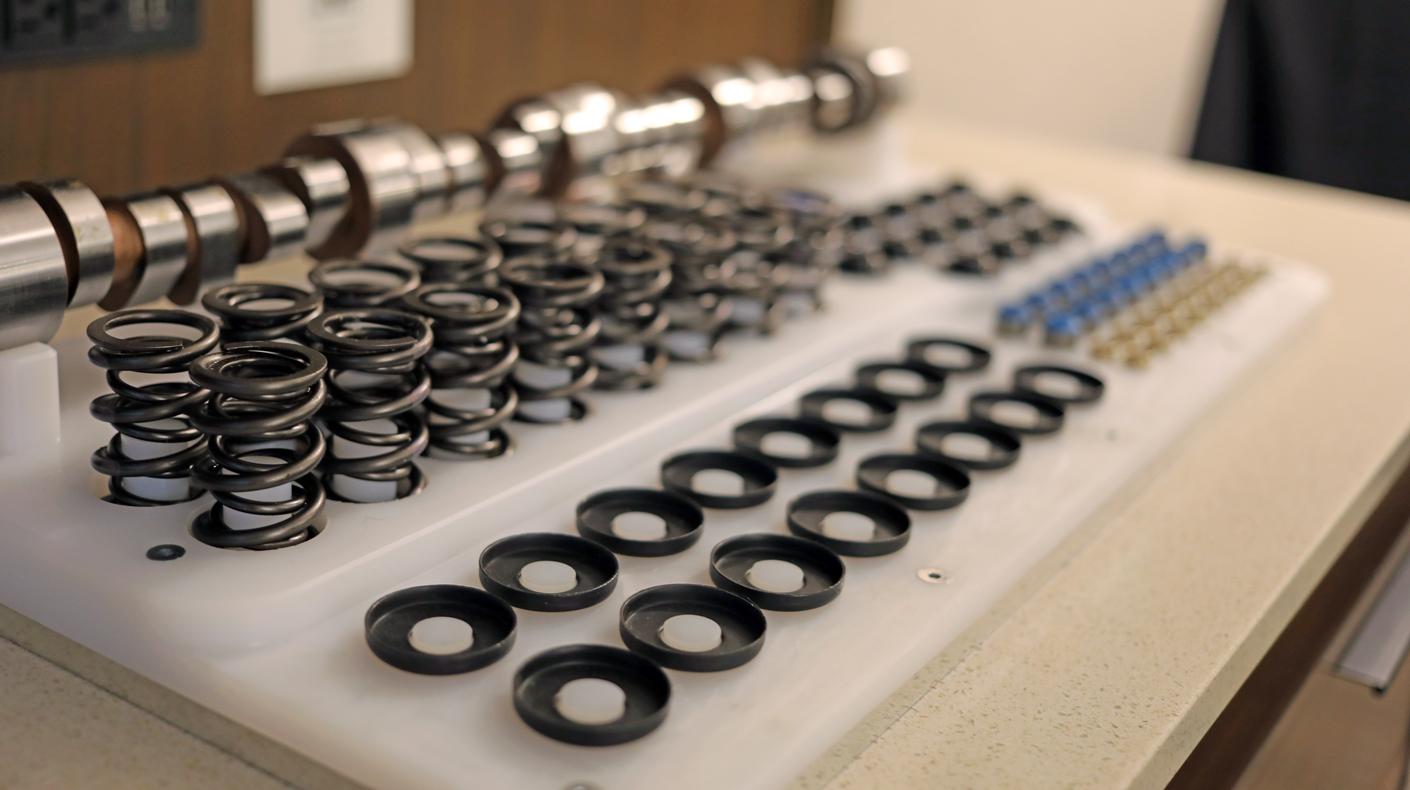
And perhaps going beyond the norm, Summit Racing actually created its own production company before COVID. "We have our own studio for podcasting, live streaming, and social content," said Fuller. A look at Summit Racing's YouTube page with 226,000 subscribers boasts titles about different products, how-to instructionals and general industry knowledge. Think "Look for These Things Before Buying that Junkyard Engine!" and "Bust Stubborn Bolts Loose with Ease!" type of content.
Tied into this theme was a statement from Bridney Jordan with The Wheel Group, who pointed out that while short-form videos seem to be taking off for other industries, long-form videos are "where it's at" for the automotive and motorsports spaces. "Storytelling is back," said Jordan.
Of course, this type of content is created with an ultimate goal in mind: drive product sales. That goal was realized when one MPMC exhibitor, Cache Inc., had a video go viral online.
"One of our Reels went viral in Mexico. It brought a lot of questions about whether we ship our products internationally (and we do)," said Lars McCleary of Cache. "We've also had some viral success in Saudi Arabia and South American markets."
Manufacturing Efficiency, AI and Scaling Business
It's no secret that efficiency is the name of the game for winning race cars, but perhaps even more so for the manufacturers making the products on that car. Yes, there's a growing need to find efficiency and scalability behind the scenes.
One brand that found success in that space is BMR Suspension, the provider of performance aftermarket suspension and chassis systems. BMR has acquired new businesses but has kept its manufacturing space the same, a 114,000 sq. ft. facility in Lakeland, Florida. "We're adding new brands but keeping the same overhead and space, knowing we have the capacity for even more brands. It's just good business," said Allan Miller of BMR.
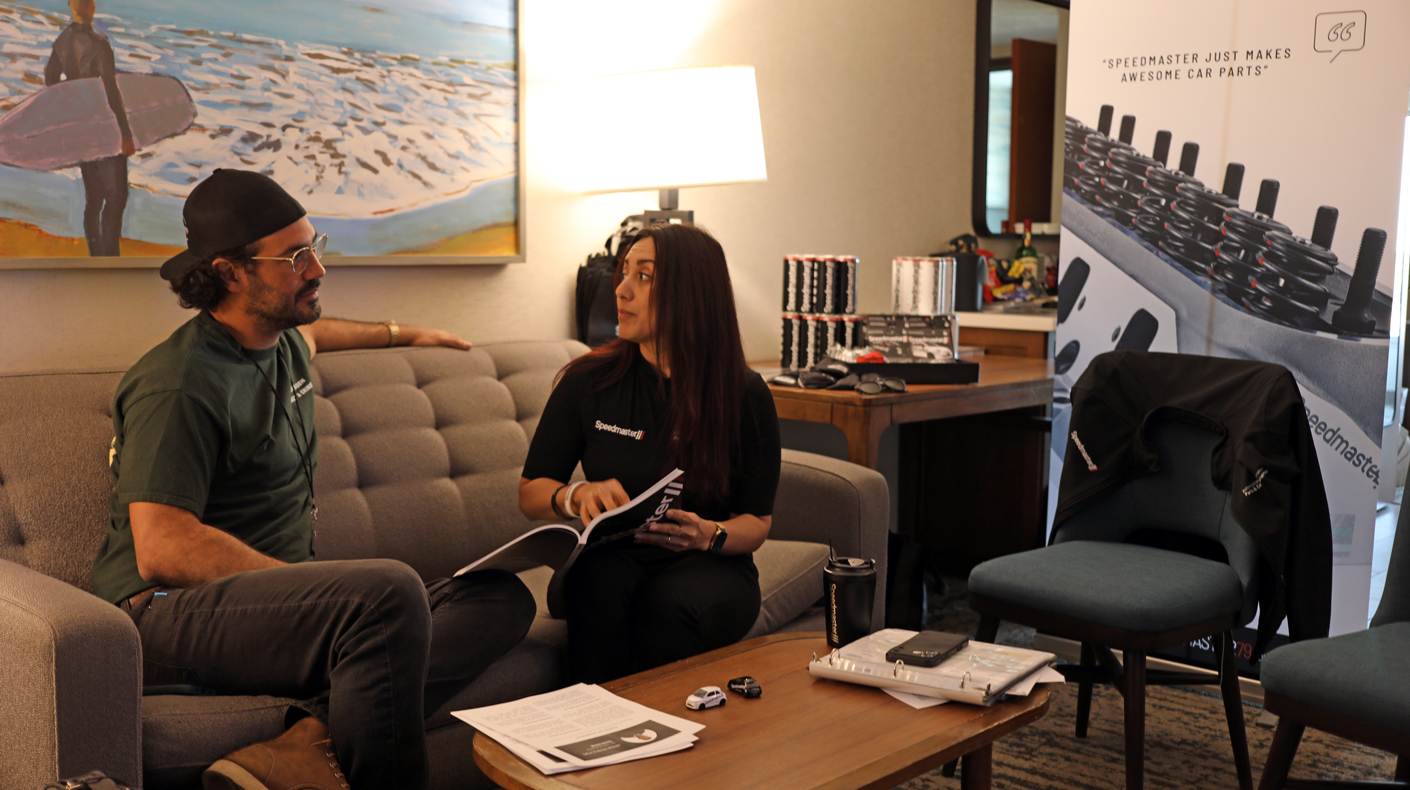
From increased automation to artificial intelligence (AI), companies are actively seeking smarter processes that keep costs down without sacrificing quality. In fact, the latter was a main speaking point on Tuesday during a keynote titled "Artificial Intelligence: Solving Automation in Manufacturing." Ben Heng, general partner with 99VC, led a discussion on how AI-driven automation is already reshaping manufacturing processes, supply chains and quality control, and how motorsports manufacturers can leverage these tools to scale production while maintaining precision.
Marketing Approach: Education Over Everything
Across meetings, one message was clear: media, education and manufacturing strategy are now as critical to success as the products themselves.
Melissa Parra of Speedmaster spoke about how more manufacturers and motorsports businesses are renting out tracks for customer appreciation days or brand events. This, of course, benefits both parties, supporting local race tracks and building loyal customers to the host brand.
In our same meeting, Parra also pointed out how the Speedmaster brand attends many races of all sizes throughout the year, often stopping in small towns. "When we're out there, we're seeing the passion for cars among everyone, but especially young people. We were at a restaurant one night, and our waitress kept asking about the race we were at, and how she wanted to go, but nobody would cover her shift--because they were all at that race themselves," Parra said. "It's clear that racing is here to stay."
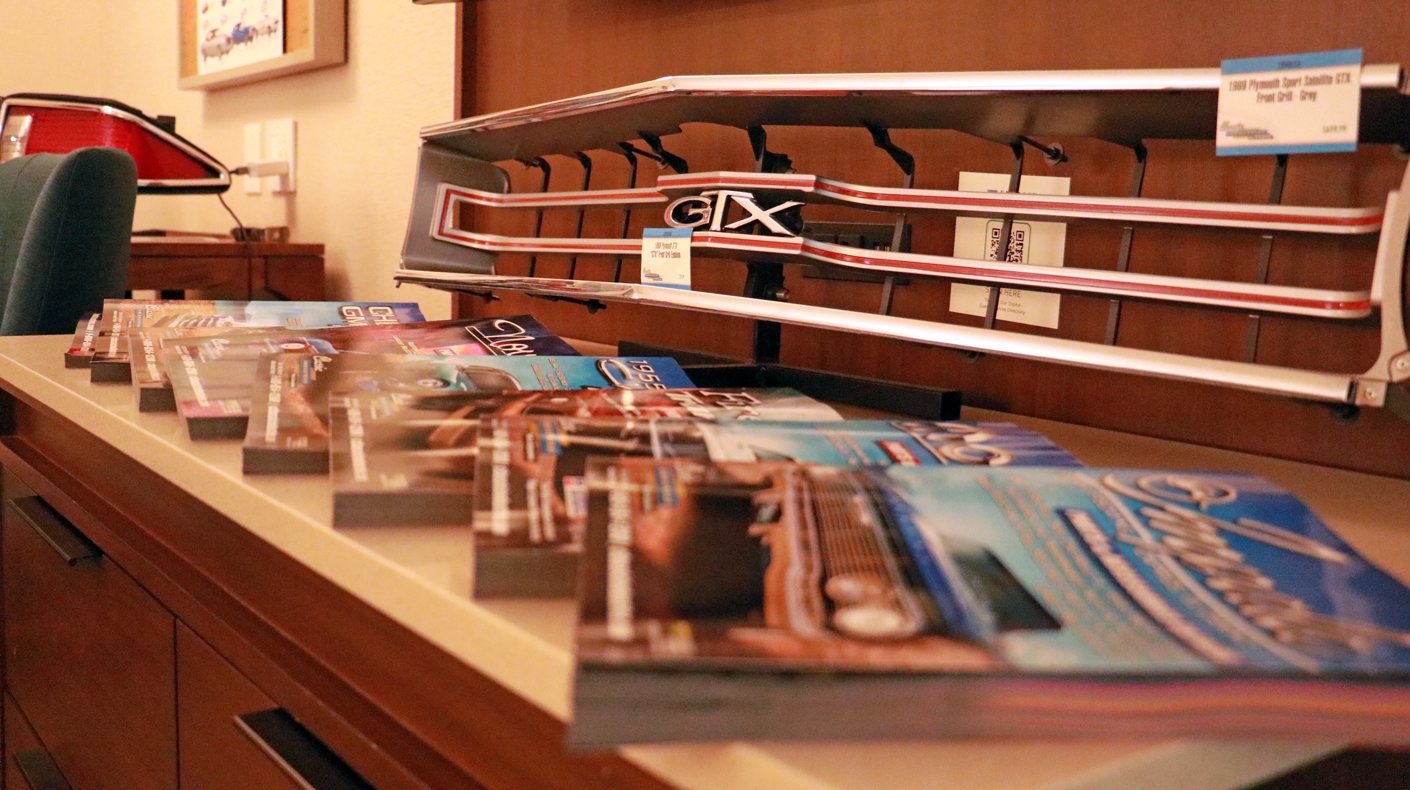
Customer education also emerged as a top priority, with many companies focused on helping racers and enthusiasts better understand not just what to buy, but why it matters and how to install those products correctly to maximize performance. Of course, this means brands are recognizing education either through long-form videos, website content or even training technicians in the field to position themselves as trusted industry advisors.
One approach is to certify installers to work directly with your customers, something seemingly mastered by Centerforce Clutches, which is developing new relationships with shops around the nation.
“These installers purchase our products at discounted prices, and this helps our relationships with our 'Do-It-For-Me' customers. So, we turn these installers into technicians and dealers of our products,” said Chris Thompson of Centerforce, who estimated around 70% of their customers fall in the “Do-It-For-Me" category today, whereas 30 years ago, he estimated, those types of customers accounted for only 30% of business.
Alex Taylor: A Symbol of the Industry's Direction
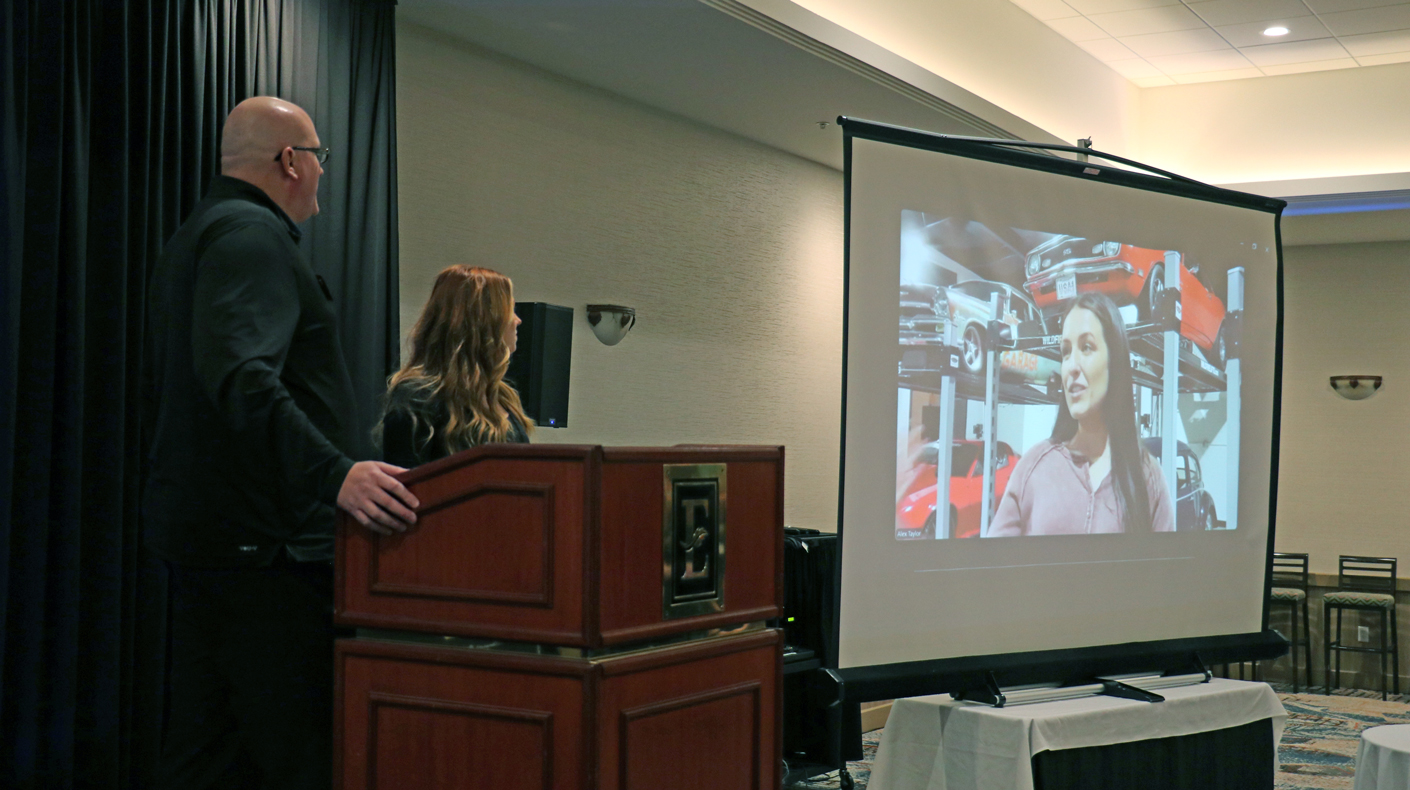
In the theme of rebranding and shifting to a new era of motorsports media, this year's Robert E. Petersen Award, an annual ceremony in conjunction with the event, was presented to someone from the non-traditional media space and to a female for the first-time ever: motorsports influencer Alex Taylor, the founder of Alex Taylor Racing and a co-host of MotorTrend's "Hot Rod Garage." Though Taylor was unable to travel to the event due to weather, her sister was able to accept the award on her behalf.
Taylor, a drag racer herself, has blended her marketing expertise with her deep-rooted passion for the automotive world. Through this unique combination, she has grown nearly one million followers across her platforms. Rather than using racing as a backdrop for content creation, she leverages modern media as a tool to fund, document and advance her true passion: racing.
Taylor uses storytelling to share her journey, highlight automotive history and collaborate with industry-leading brands. Beginning with online automotive forums in 2012 and evolving to long-form content on YouTube, she has cultivated a loyal, knowledgeable and highly engaged audience.
Giving Taylor this award aligns with the new MPMC rebrand and the industry's broader embrace of new media as a growth driver. As manufacturers increasingly focus on education, storytelling and trust-based content, Taylor's hybrid identity as a racer, marketer and educator exemplifies the direction many brands are heading.
SEMA Annual Meeting Informs Industry Members
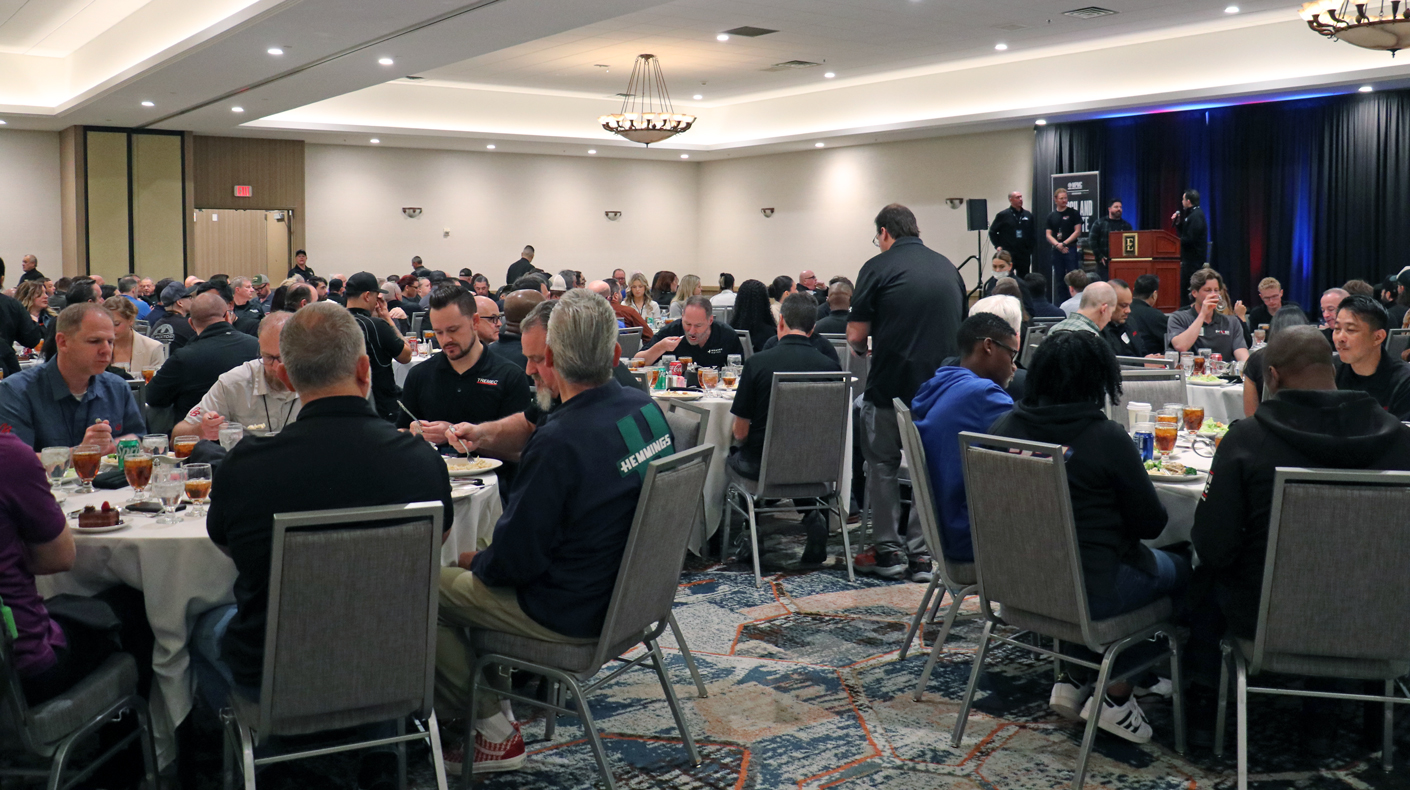
The three-day event also included time for the SEMA General Membership Meeting, which was led by SEMA Chair Melanie White and SEMA President and CEO Mike Spagnola. The meeting provided attendees with a high-level look at how the association is supporting members and responding to the current state of the industry, which was highlighted by a look at SEMA's year-round business solutions like SEMA Garage and SEMA Data, with free opportunities for business members.
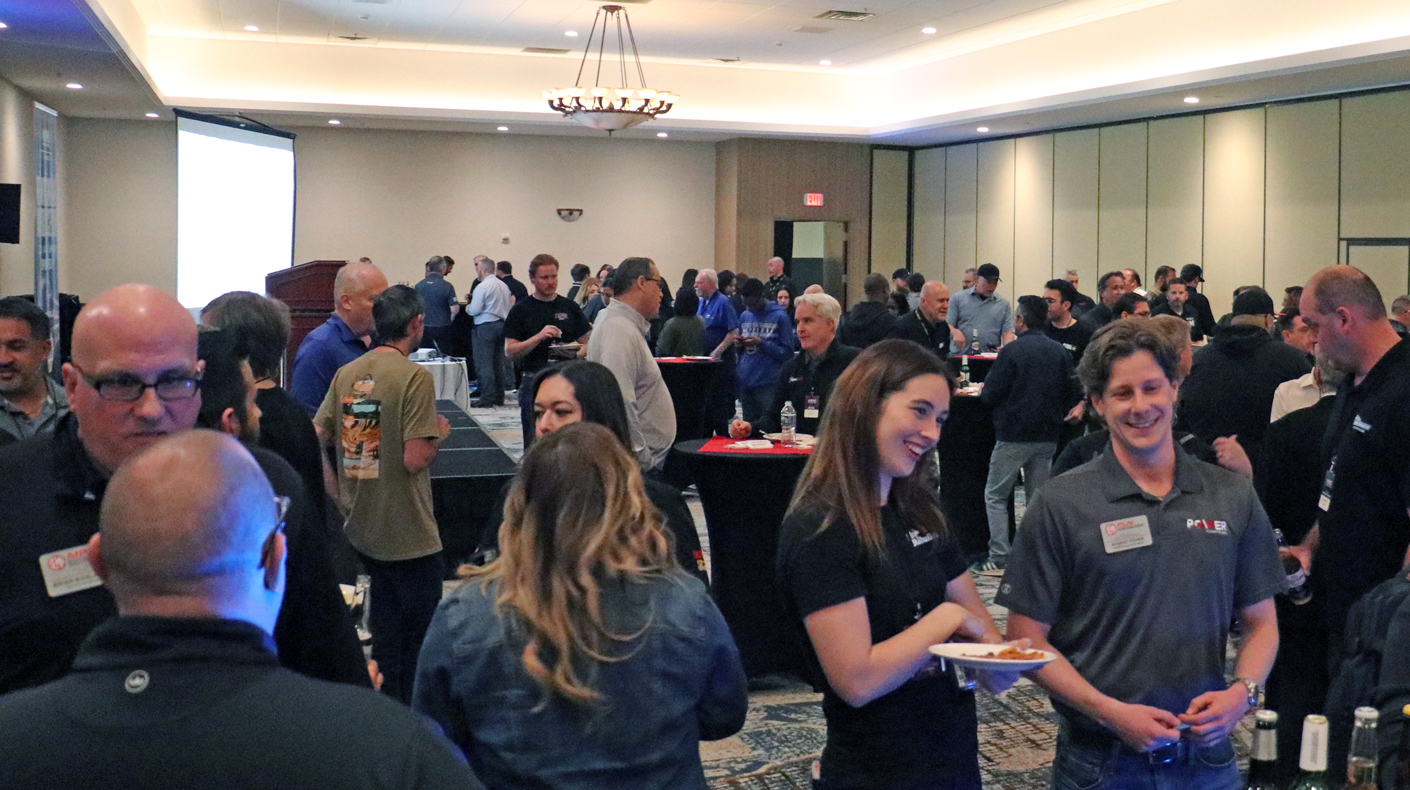
The meeting also introduced recent and upcoming advocacy efforts led by SEMA and PRI's Washington, D.C., office. Education about advocacy helps members navigate regulatory challenges, like our recent push to protect the Right to Race in various states around the nation, from their end.
Attendees of the annual meeting also received updates on SEMA and PRI's latest initiatives and priorities, reinforcing the association's role as a strategic partner for manufacturers, media and the broader automotive aftermarket.
MPMC Media Trade Conference: Powered by Industry Support
The 2026 MPMC Media Trade Conference was made possible through the support of event sponsors, including Autofluencer, Blueprint Engines, Carlyle Tools, Hot Shot's Secret, NAPA, PEAK Performance, Racer and Summit Motorsports Park. Their continued involvement underscores the value of bringing manufacturers and media together in a focused, productive environment.
As the Motorsports Products & Media Council moves forward under its new name, the 2026 Media Trade Conference made one thing clear: collaboration, education and innovation are driving the next chapter of the motorsports industry, and the conversations happening behind the scenes today are shaping what racers and enthusiasts will see on track in the season ahead.
Next year's MPMC Media Trade Conference will take place February 2-4, 2027, in Orlando, Florida.