 MEMBERSHIP LOGIN
Business Profile: Shaw Race Cars
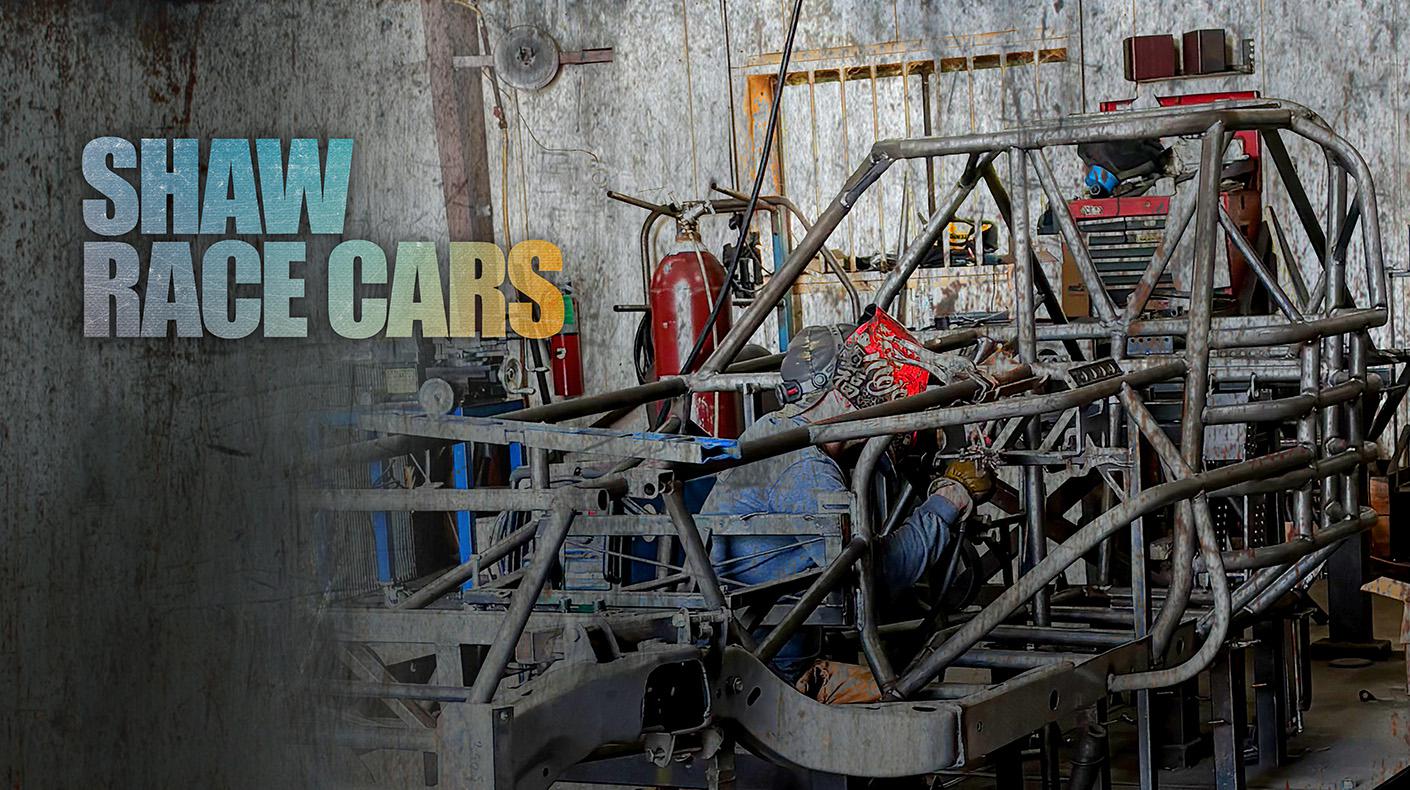
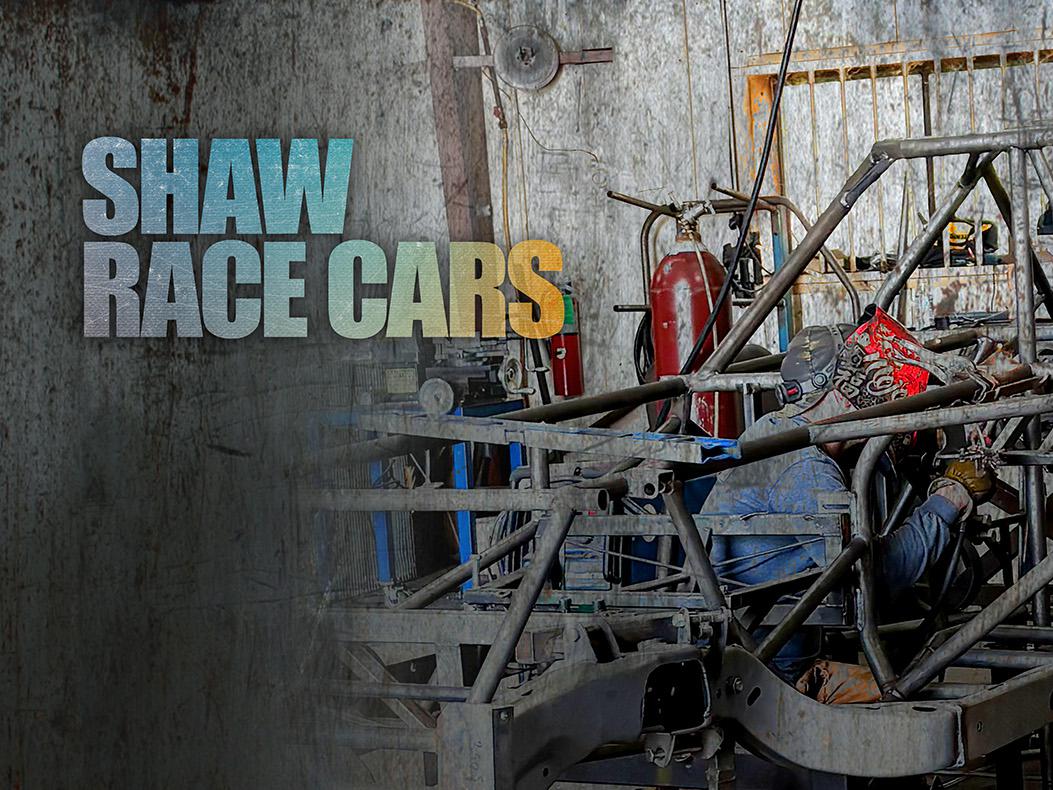
Shaw-built modifieds win, consistently, year after year, and they have been winning for nearly five decades. "We've probably built 5,800 or 5,900 race cars in that time," estimated Kevin Shaw, son of founder Larry Shaw, "and I would say that 1,000–1,200 are still racing."
In the shop's hometown of Batesville, Arkansas, and the surrounding region, Shaw chassis generally account for "30%–40%" of modified starting grids. Even "as you branch out," Shaw added, "it's going to be 10%." For a company with cars running in 40 states, including Alaska, that's a significant share of the action.
Larry Shaw established Larry Shaw Racing in 1979 to build Late Models and modifieds. He dropped the former to focus on the latter in 2010 and released his innovative XL chassis in 2016. He retired in 2019, selling the shop to Arkansas entrepreneurs Scott and Marlene Mosley. Production of Late Model chassis resumed in 2023, but modifieds remain Shaw's primary focus.
Listening and Learning
It may be cliché to speak of deep roots in racing, but those roots don't reach much deeper than Kevin Shaw's. In addition to manufacturing race cars, Larry Shaw built the Batesville Motor Speedway. Kevin recalled his father's longtime friendship with Scooter Brothers, former co-owner of COMP Cams, current co-owner of Driven Racing Oil, and recent inductee into the PRI Hall of Fame. Young Kevin knew "the Brotherton boys, who own Brodix; and Doug and Dennis at Schoenfeld Headers. We all grew up together, from little kids at the racetrack to running businesses now."
Asked about the reason for the company's continuing success, Shaw briefly mentioned longevity––"something you don't see a lot of in this business"––but quickly pivoted to "customer service. When people call us up, we treat them like somebody. I'm not saying other car builders don't do that, but we know who they are, and we know where they race. When people pick up racecars from us, they tend to stick around for a day, or half a day, talking setups and familiarizing themselves with the car. When you do that, you build relationships."
Communication continues even after the car leaves the shop. "We listen to our customers when they [tell us] what their cars are doing. We listen to the driver, because not all drivers drive the same." They also drive on different tracks. "One may be racing at a little quarter-mile track where they are on the brakes real heavily––and the next one may be going to Eldora where they are not on the brakes at all."
Shaw's geographic reach brings additional complications. "You have a guy who runs on the East Coast, or the central US, or on the West Coast, or down South, or New Mexico––all those track conditions are different." Rules differ as well. "A B-Mod in Pennsylvania is most likely a four-link car, but here in the Midwest, USRA, IMCA, and WISSOTA all run three-link cars, and they are all different rules packages. All those require different setups."
And did we mention tire rules? "You have a guy on Hoosier G60s, another on M30s, and another on American Racer G60s. All three require different air pressure settings, and stagger comes into play, and different weight limits.
"So you have to listen to the racer."
Shaw has built a computer database to organize this information and uses it to provide his customers with "a good baseline––that's where we want you to start. Call us every week after you race and tell us what the car is doing. Usually, after three or four weeks, we have them handling pretty good."
Knowledge flows in both directions. "When they tell us, 'This worked,' or 'this didn't work,' at this particular racetrack, with this particular tire," that information is added to the system. "Then we take those notes, and we can catch up on our setups a little quicker."
Offering Options
Partly to accommodate all these differences, Shaw offers a choice of chassis. The company's mainstay remains the XL, welded up from DOM (drawn-over-mandrel) mild steel tubing, and featuring one-piece upper A-arms designed and manufactured by Shaw. It was joined in 2023 by the all-chromoly RX, with a redesigned roll cage and conventional, cross-shaft-style A-arms. There are other differences as well. Shaw doesn't like to "get too specific," but said he could steer a customer toward one or the other based on "where he's racing and what rules he's running under." Mainly, however, the two cars offer Shaw customers an alternative. "If a guy has struggled with the XL, that guy is not going to buy the same car again. He wants something different."
Even given a choice of chassis, Shaw accepts that some customers will simply move on. "If a guy's raced my car for a few years and he's run well with it, and then he's getting out-run by another brand, and he wants to go try it––I don't ever get mad at that. He's trying to improve himself. If he does better, that's good for him, and if he doesn't, he'll come back. But if I burn a bridge, he'll never come back."
Customers seem to appreciate this laissez-faire approach. "Even customers who have gone on to buy other brands of racecars still buy products from us, because we've got a good relationship."
To read the full article, plus hundreds of other articles like it for free, sign up for a digital subscription to PRI Magazine on Zinio here.
Once you download the Zinio mobile app or are logged into Zinio on a desktop browser, you will gain immediate access to more than a year's worth of content, including "Business Profile: Shaw Race Cars" here and additional coverage in the August 2026 issue here.