 MEMBERSHIP LOGIN
Drag Racing's Phoenix
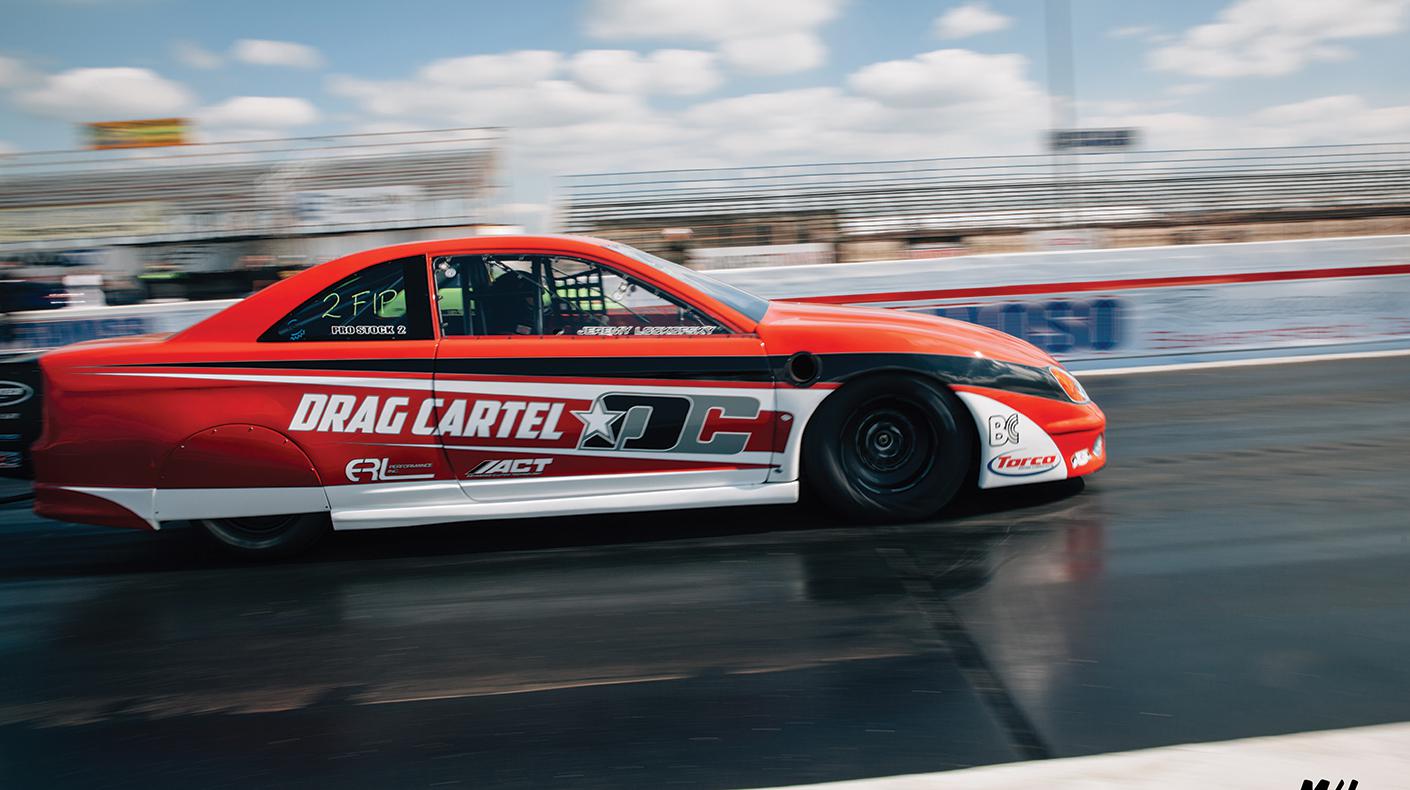
Import drag racing has been labeled as many things, but disruptive is the most accurate. Japan's economic boom of the 1980s led to timeless import creations from automakers eager to share the enjoyment of cars at a friendly cost. A new generation of enthusiasts took notice, and it wasn't long before they found ways to make more power. Import fans followed a trajectory similar to the hot rodders who flocked to Southern California streets after World War II, yet import enthusiasts carved their own unique mark in automotive history.
The import scene exploded on the streets of Los Angeles in the early 1990s. In its infancy, enthusiasts gathering every weekend would challenge each other in head-to-head contests that evolved into risky, unsanctioned events. Crowds of spectators and racers showed up to street races several nights a week, inspiring import racing culture across America.
Its rise in automotive influence was swift. Car clubs such as Cyber, Redline, Split Second, Team Precision, and Wicked Racing pushed boundaries of street performance. Tracks eventually allowed imports to compete, and records were set. Popularity surged even higher when sanctioned events began, and the crowd turnouts were massive, opening the door for aftermarket and performance companies and sponsors to elevate the battlefield. Import drag racing seemed poised to become the next step in a proud legacy of drag racers.
But by the mid-2000s, the sport abruptly lost its momentum. Why?
STREET RACING
The import community gained popularity quickly due to several factors, according to Kenji Sumino of GReddy Performance in Irvine, California.
"I think it was the perfect timing," he said. "The popularity of just fixing up cars—we didn't have internet back then, no live streaming. People still spent more time outside, going on cruises. People went to Hot Import Nights and Import Show Off. Car culture was much bigger, for sure."
"Like anything, it started in the streets," added Jeremy Lookofsky, a pioneer in Honda drag racing and owner of Drag Cartel Industries in Simi Valley, California. "California was the place to be. A lot of it started with gatherings. Today, they call it 'cars and coffee.' Ours was a lot less organized. It was more chaotic."
The greater Los Angeles area was the center for many import car clubs in the early 1990s. They were often misrepresented in mainstream media, which paired the violent crimes of Los Angeles gang activity with street racing.
Sumino said racing was the main focus of import culture at the time. "We started in street racing with Myles [Bautista] and the guys out in Sylmar and Gardena. Myles' shop [Rev Hard] was in North Hollywood. I used to spend all my free time building up Myles' drag car out there."
To read the full article, plus hundreds of other articles like it, for free, sign up for a digital subscription to PRI Magazine on Zinio here.
Once you download the Zinio mobile app or are logged into Zinio on a desktop browser, you will gain immediate access to more than a year's worth of content, including "Drag Racing's Phoenix: Import Drag Racing" here and additional coverage in the January/February 2026 issue here.